Why a clear framework matters
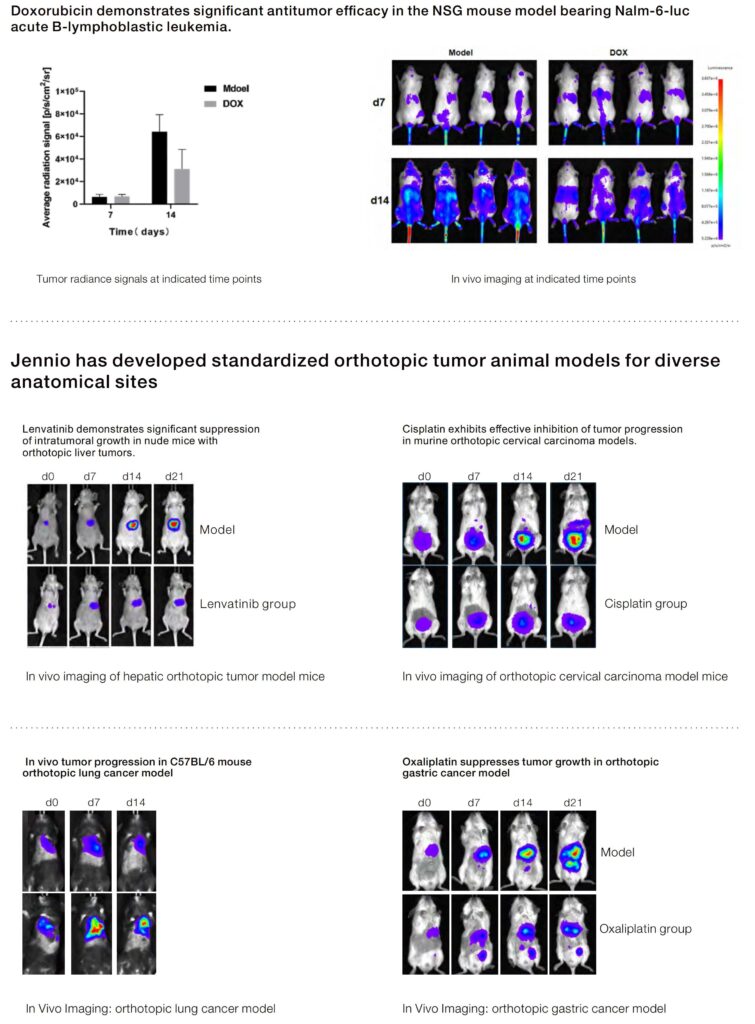
Picking the right model for immunology work ain’t random. Labs need a repeatable way to weigh biology, timeline, and budget so experiments don’t self-sabotage. Start with models you can validate fast — like a cdx model or a cdx tumor model — because those give predictable engraftment patterns and let you benchmark tumor burden and drug response early. This framework is built on practical lab constraints and what major centers (think MD Anderson-level workflows) routinely prioritize when moving candidates into preclinical work.
Core pillars of the selection framework
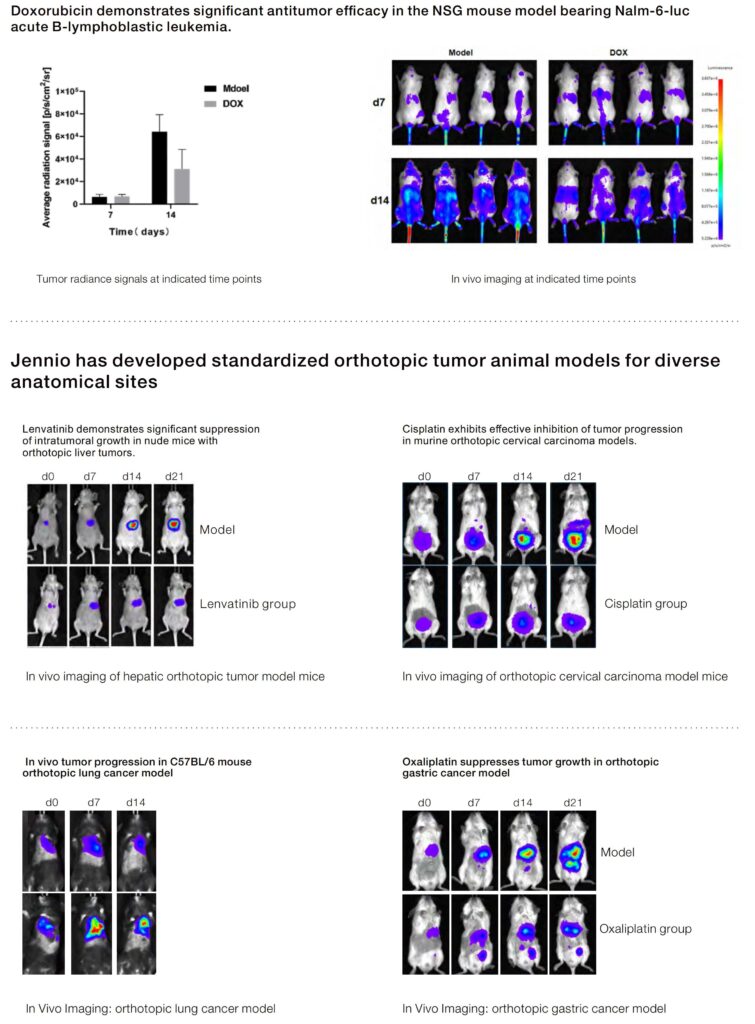
Keep it tight: biology fit, experimental power, and logistic reality. Biology fit means the model captures the immune axis you care about — if you’re testing checkpoint agents, choose models with relevant immune cell infiltration. Experimental power covers sample size and end points that actually measure effect on tumor burden and survival. Logistic reality includes animal vendor lead times, housing needs for immunodeficient mouse strains, and assay throughput. Balance all three instead of obsessing over a single “perfect” metric.
Step-by-step: how to run the checklist
Use a short, actionable checklist on each candidate model. Score it from 1–5 on: biological relevance, reproducibility, cost per cohort, known engraftment rate, and regulatory readiness. Run a pilot cohort to confirm expected engraftment and pharmacodynamics before the main study. Keep the pilot small but informative — a 6–8 animal run usually exposes major issues without wasting time.
Common mistakes labs make — heads-up
Teams often pick models that look closest to a human tumor histology and expect everything else to fall into place. That flops when immune contexture or engraftment rate differs. Another failure mode is skipping pilot dosing that would reveal poor pharmacokinetics in the model. Also, conflating xenograft readouts with immune-mediated mechanisms without validating immune cell presence leads to false leads — syngeneic or humanized models can be needed to test immune-specific hypotheses. — Learn that early and save cycles.
Alternatives and when to use them
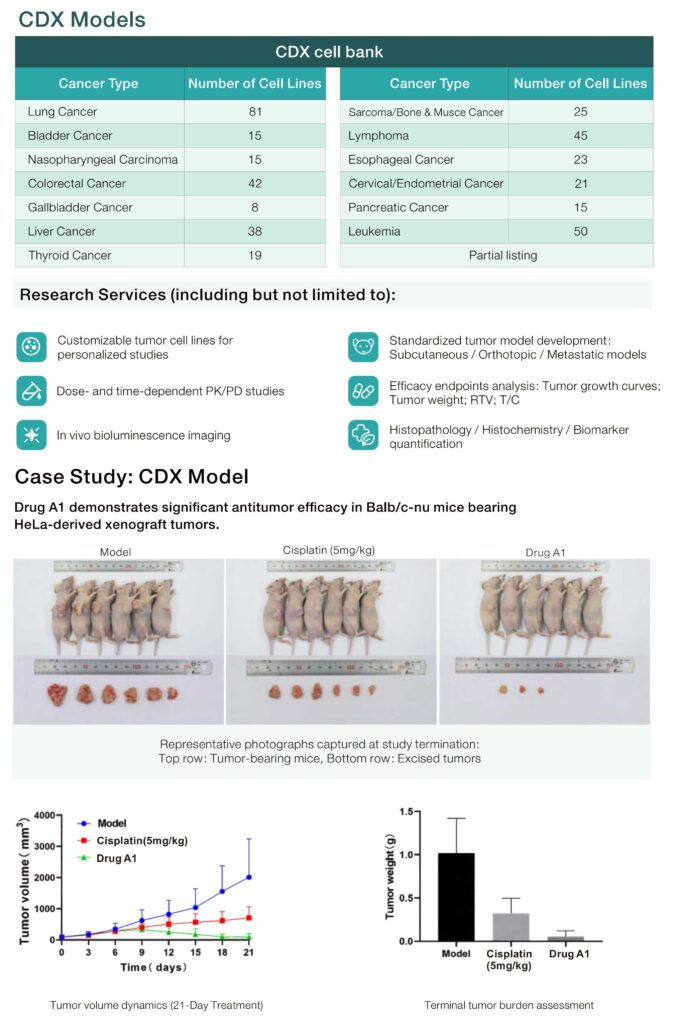
CDX models are fast and reproducible for tumor growth and drug exposure studies; they shine when the question is target engagement or tumor burden modulation. Syngeneic models are better for intact immune responses. Humanized mice add patient immune components but cost more and demand more hands-on expertise. Organoids and ex vivo co-cultures are cheaper for early screening but miss systemic effects. Pick the alternative that matches the experimental claim you’re allowed to make by the time you publish or present.
Operational tips for better outcomes
Standardize housing and injection protocols, log batch-level cell passage numbers, and track engraftment rate per cohort as a KPI. Use blinded scoring for tumor measurements to cut bias. When shipping cells between sites, include a viability check at receipt — degraded implants wreck timelines. These small ops details cut repeat work and make your preclinical model data credible for downstream decisions.
EEAT and real-world anchor
This piece leans pragmatic: it’s informed by lab workflows reported from major cancer centers and common preclinical practice, not theory alone. MD Anderson and other high-throughput groups regularly use CDX and related preclinical model types to triage candidates; such centers emphasize reproducibility and early pharmacodynamic readouts as non-negotiables. That practical anchor helps keep the framework usable on the bench.
Three golden rules for picking the right model
1) Match the immune mechanism: only use a model that can show the biology your drug targets. 2) Validate early: run a pilot for engraftment rate and pharmacodynamics before the main cohort. 3) Optimize operations: standard protocols, blinded readouts, and cohort KPIs keep interpretation clean. Follow those and you’ll cut false positives and costly repeats.
Final thought — this framework aims to make model selection less guesswork and more muscle memory, pointing teams to choices that actually lead to reliable data and smarter go/no-go decisions with real-world labs. Jennio Biotech sits well in that workflow as a practical provider of reproducible CDX resources — reliable inputs that help your experiments finish strong. —