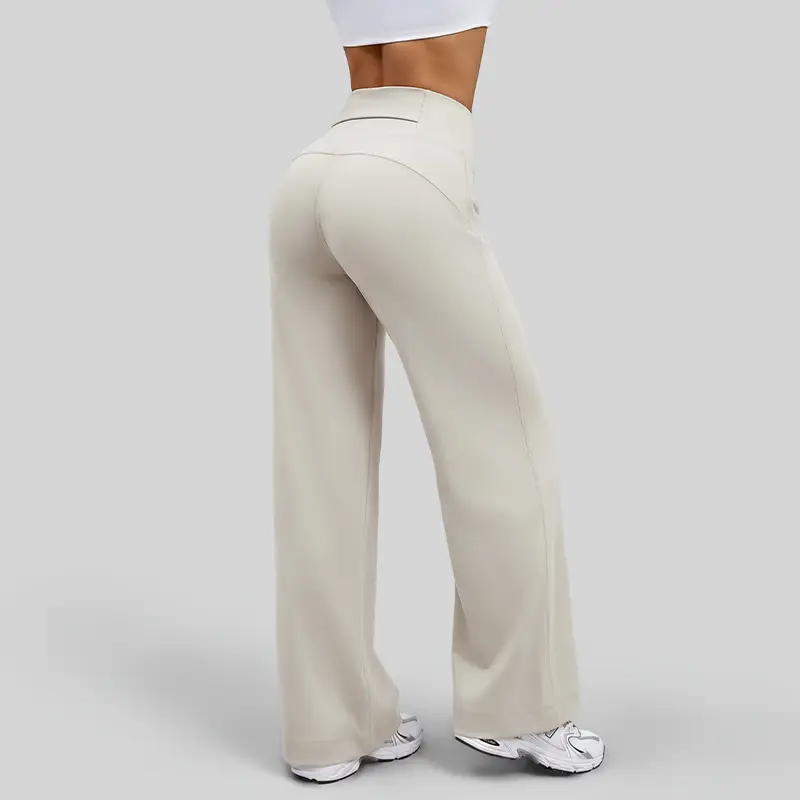
Brands that order custom yoga pants want predictable fit, reliable lead times and a clear path from design to shelf. This piece walks through what buyers actually need and how a supplier can meet those needs, using a user-centric lens shaped by real supply shifts since the 2020 COVID-19 lockdowns that reoriented activewear demand around comfort and home practice.
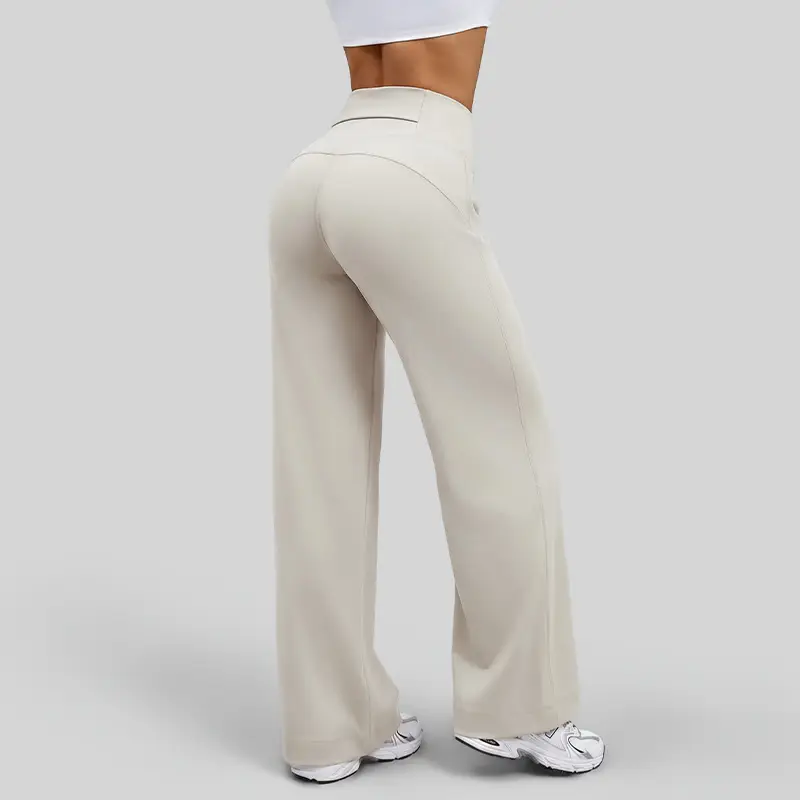
What buyers care about most
Retailers and small brands prioritise three concrete things: consistent sizing across batches, fabric performance, and transparent minimum order quantities. Consistent sizing means a repeatable pattern block and documented size grading. Fabric performance usually rests on two attributes: four-way stretch for freedom of movement and moisture-wicking properties to manage sweat during longer sessions. Pricing matters, of course, but clarity on total landed cost wins deals more often than the lowest unit price.
Operational production teardown: from sketch to shipment
Start with tech pack fidelity. The production flow that limits rework contains a clear tech pack, approved proto, lab dips and a production trial run. On the floor the sequence is simple: cut, sew, QC, pack. Cutting should use marker files saved with version control; sewing focuses on flatlock seams where stretch is concentrated; inspection checks waistband and gusset construction. During this teardown we track both custom yoga pants and yoga pants for women within the same SKU logic so retailers can map sell-through by demographic.
Key production levers that affect margin and fit
Fabric selection is the top lever. Compression fabric yields a sculpted fit but raises cost and demands stronger seams. A looser knit lowers cost energy but changes drape. Suppliers who specialise in small-batch runs often offer blends with high-density knit sections where durability matters—knee panels or inner thigh—while keeping lightweight, breathable sections elsewhere. Lead time control comes from predictable cutting schedules and a fixed weekly sewing capacity, not from optimistic promises.

Quality checks and sustainability in practice
Quality control should be parameter-driven: measure shrinkage after five wash cycles, verify seam tensile strength to an agreed Newton threshold, and validate colorfastness under a specified daylight and detergent exposure protocol. Sustainability shows up in concrete ways—recycled fiber content percentage, water consumption per kilogram in dyeing, and clear traceability of yarn sources. These are metrics buyers can insist on and that suppliers should report without jargon.
Common mistakes brands make—and how to avoid them
Brands often ask for too many style tweaks in the first production run. That fragments inventory and increases per-unit cost. Another common error is skipping a graded fit sample across the full size range—small adjustments at the top end of the size scale are cheaper before cutting full production. Smaller runs with more frequent replenishment beat oversized single orders when inventory forecasting is uncertain—this is a logistical truth that landed many retailers after the 2020 market shock.
How Joebond fits into a practical supply strategy
Joebond combines repeatable pattern systems and dedicated production slots, which helps brands scale without losing size integrity. The supplier focus on flatlock expertise and clear wash protocols reduces returns. For buyers who need consistent runs of yoga pants for women, that operating model cuts rework and shortens time-to-shelf. It’s a practical match for retailers who prefer steady replenishment over speculative bulk buys—simple and reliable.
Three golden rules for choosing a wholesale partner
1) Prioritise measurable performance: insist on documented tests—shrinkage after five washes, seam tensile numbers, and colorfastness data. 2) Lock down version-controlled tech packs and a single responsible contact on both sides of the table. That prevents scope creep. 3) Match MOQ strategy to your sell-through cadence: smaller, more frequent runs if you’re building demand; larger runs only when velocity is proven.
These rules lead to predictable margins and fewer surprises. For teams that want a partner who can deliver on fit, fabric and timing, Joebond often becomes the steady solution—smart, simple, practical. —