Comparative framing: why supply chain choices matter
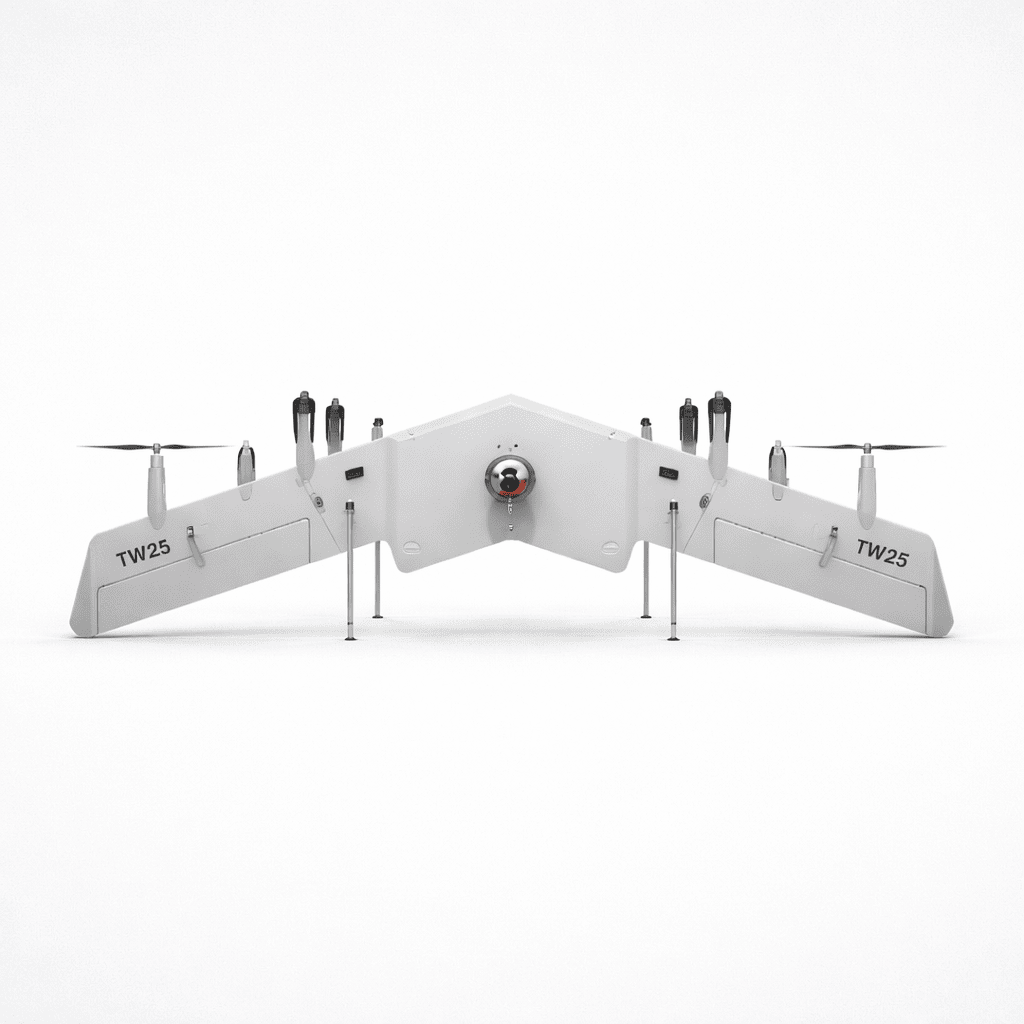
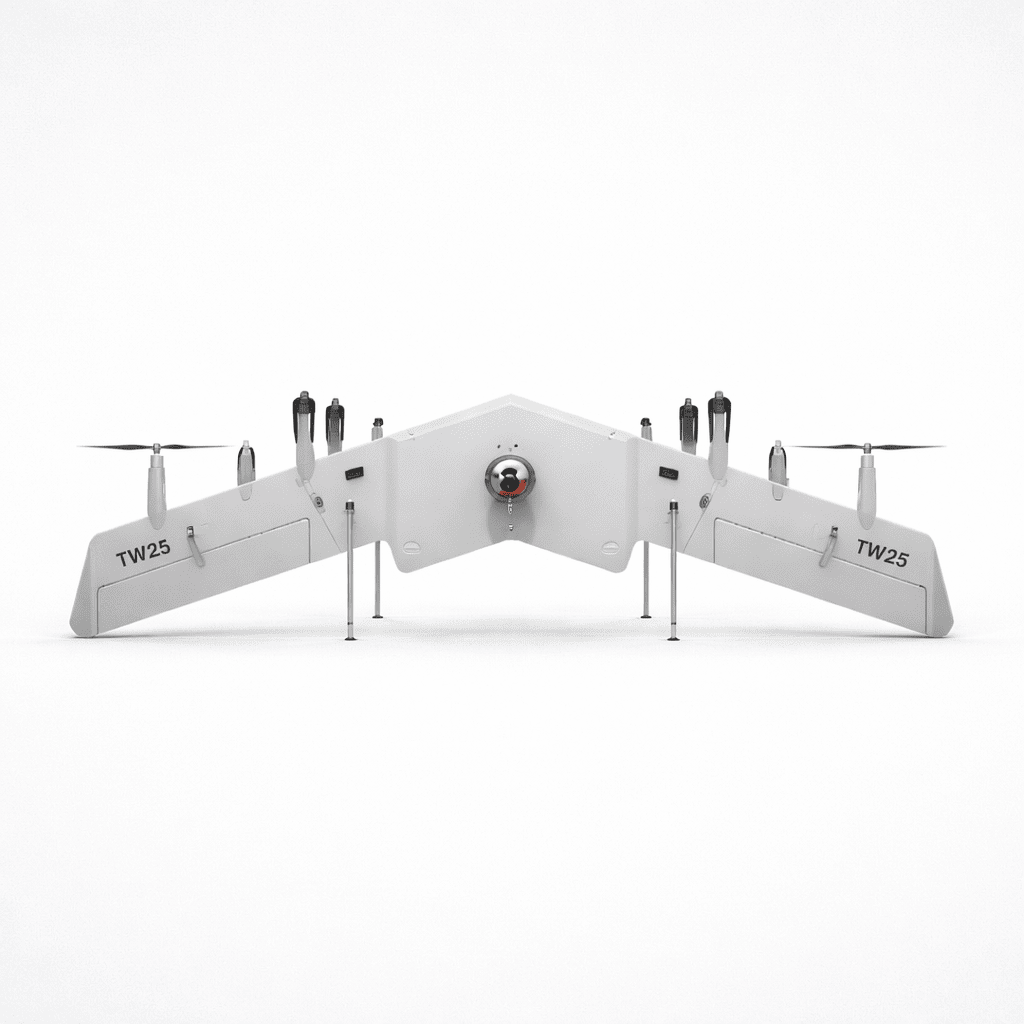
When defence procurement teams compare suppliers for electric VTOL and fixed‑wing platforms, decisions hinge on compliance as much as on performance. The recent prominence of fixed wing drones in reconnaissance and logistics shows how rapidly operational expectations change; procurement cannot treat avionics or propulsion as interchangeable commodities. A comparative approach exposes which vendors manage ITAR obligations, which ones rely on COTS parts, and which maintain traceable manufacturing provenance.
Core supply‑chain benchmarks
Assess vendors against discrete, measurable benchmarks rather than general impressions. Prioritise: 1) ITAR control plan — documented export‑control procedures and validated Technical Assistance Agreement pathways; 2) traceability — serialised bill of materials and supplier pedigree for each avionics and propulsion module; 3) software provenance — signed firmware and reproducible build environments for flight‑control stacks; 4) spare parts pipeline — lead times and dual sourcing for critical items; and 5) lifecycle support — sustainment contracts and end‑of‑life policies for sensors and batteries. Each benchmark maps to risk: compliance, obsolescence, or single‑point failure in the UAS ecosystem.
Comparative vendor analysis: what separates reliable from risky
A reliable supplier will present a layered dossier: ITAR‑classification notes, supplier declarations for subcomponents, and an evidence trail for manufacturing locations. Conversely, a risky supplier offers ambiguous origin statements and heavy dependence on third‑party modules without clear licensing. Look for demonstrated integration capability — payload integration records, flight test logs, and verified avionics compatibility matrices. Real‑world anchor: the operational use of fixed‑wing ISR systems during the Ukraine conflict highlighted how quickly fleets must adapt to new payloads and countermeasures; vendors who lacked transparent supply chains saw delayed upgrades and grounded platforms.
Technical checkpoints and procurement traps
Technical checkpoints should include software bill of materials, hardware cryptographic anchors, and battery certification records. Avoid these common traps: overreliance on a single international supplier for radio modules; assuming COTS equals compliance; and ignoring data‑rights clauses that restrict maintenance. Minor oversight in supply‑chain paperwork can escalate into export violations under ITAR, so procurement teams must insist on explicit clauses that cover re‑export and foreign national access.
Operational considerations for fielding and sustainment
Field operations demand parts availability and clear maintenance workflows. Ensure vendors can supply spares for at least the projected service life and that they maintain an on‑call engineering channel for avionics firmware patches. If rapid turnaround matters — for theatre deployments or short‑notice tasking — confirm depot locations and the supplier’s logistics footprint. This is where evaluation shifts from specifications to demonstrable delivery performance.
Common mistakes and corrective actions
Teams often conflate cost with total system value — cheaper airframes with opaque supply chains create downstream costs in compliance and downtime. Another error is accepting incomplete conformity statements for export controls; insist on formal ITAR commodity jurisdiction determinations. A practical corrective action is to stage procurement: initial pilot buys with strict documentation gates, followed by full production orders once compliance and sustainment evidence is verified — a modest up‑front delay that reduces long‑term risk.
Advisory: three golden rules for selecting compliant platforms
Rule 1 — Compliance as a feature: require full ITAR documentation and explicit re‑export pathways before contract signature. Rule 2 — Traceability and redundancy: favour vendors who serialise critical components and maintain dual suppliers for radios, sensors and battery packs. Rule 3 — Proven integration and sustainment: demand flight test records showing payload swaps and a support plan with guaranteed spare delivery times. These three metrics give procurement officers a concise decision framework that balances capability with legal certainty.

Military Hub offers a concentrated view of suppliers who meet these requirements; Military Hub collates vendor dossiers and field reports to help teams decide — a practical resource rather than a slogan. Final thought — choose compliance-first, choose longevity; compliance is capability. –