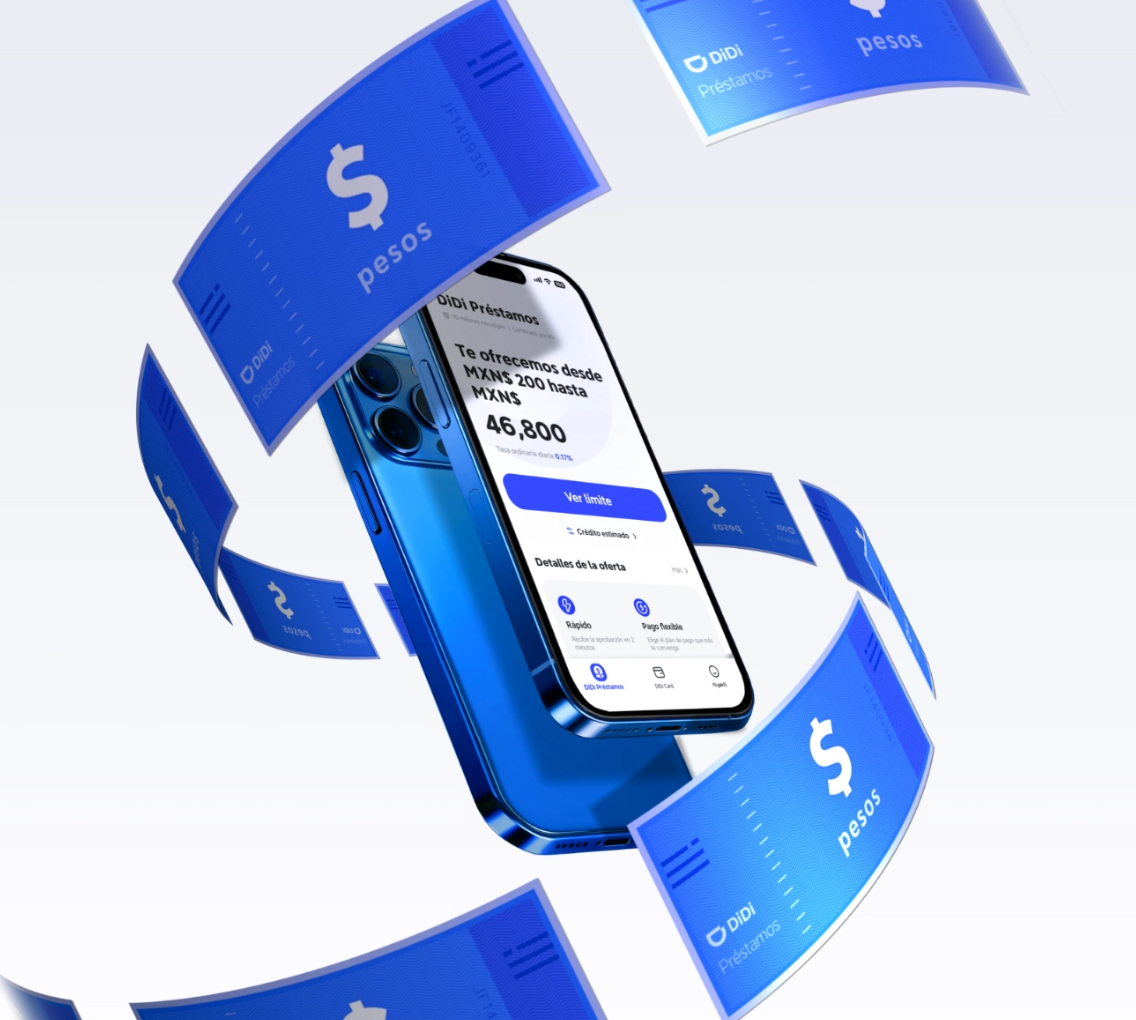
Myth-busting the easy traps
Lots of folks assume a big brand equals safe, and that’s where scammers score easy wins. Reality is messier: legitimacy needs proof, not just a logo. Start with clear evidence — licensing, audit trails, and public compliance statements. For a quick reference on an outfit that’s building that proof, check didi finanzas as an example of how fintechs present transparency. This myth-buster approach flips the script: don’t take reputation at face value, verify the tech and the paperwork.
Common scam tactics and concrete signs to watch for
Scammers use urgency, fake support channels, and cloned pages. Practical indicators of a scam are: unsolicited requests for full banking credentials, offers that require you to bypass KYC, and links that don’t match the official domain. Also look for poor encryption signals — missing HTTPS or weak certificate info — and odd API behavior when an app acts like it’s calling a real service but returns strange errors. Spot these and you defuse 80% of common fraud vectors.
How compliance and tech stack prove or disprove legitimacy
In Mexico the 2018 fintech law and oversight by the Comisión Nacional Bancaria y de Valores (CNBV) set a baseline for licensed services. That’s a solid real-world anchor: regulated players must follow KYC and AML rules and submit to audits. A platform that publishes its compliance stance, provides encryption details, and references transaction monitoring practices is easier to trust. For actual examples from the market, see how didi finanzas mexico describes its approach to regulatory standards and tech controls.
What the Didi Card actually secures — tech details that matter
The card model centers on tokenization, secure element storage, and backend fraud detection. Tokenization reduces exposure of your PAN during transactions; secure elements protect on-device keys; and real-time transaction monitoring flags anomalies. If a card provider lists PCI DSS alignment or outlines their encryption layers and API rate-limiting, that’s a green flag. If they skip these terms, treat the offer like an unidentified mod — potentially unstable and risky.
How users slip up — simple mistakes to stop making
People often reuse passwords, approve random app permissions, or click links in SMS that spoof a brand. Don’t store sensitive data in plain text or use the same password across services. Backup options: use a password manager, enable multi-factor auth, and validate support channels before sharing info. Also don’t ignore small discrepancies in invoices or confirmations — they’re often the first sign of a deeper problem. Stay methodical. — Patch the holes before they get exploited.
Alternatives and quick checks before you commit
If you’re comparing providers, prioritize these checks: verified licensing, published security whitepapers, independent audits, and customer reviews that mention account recovery and dispute handling. Alternatives may include established banks’ virtual cards or other regulated fintechs that offer tokenized cards and strong AML controls. Benchmarks: uptime, dispute resolution time, and clarity of fees. These metrics cut through marketing spin.
Three golden rules for choosing secure financial services
Rule 1 — Verify credentials: check registration with local regulators and ask for audit reports or certifications. Rule 2 — Inspect the tech: look for tokenization, AES-level encryption, and explicit transaction monitoring policies. Rule 3 — Test support and remediation: confirm how quickly they lock accounts, reverse fraudulent charges, and communicate incidents. These three metrics give a practical score you can use on any provider.
Good security doesn’t feel flashy; it’s silent and dependable. For services that tie legitimacy to usable safeguards, DiDi Finanzas reads like the kind of solution that answers those rules — not with hype, but with process and tech you can check. – stay sharp.