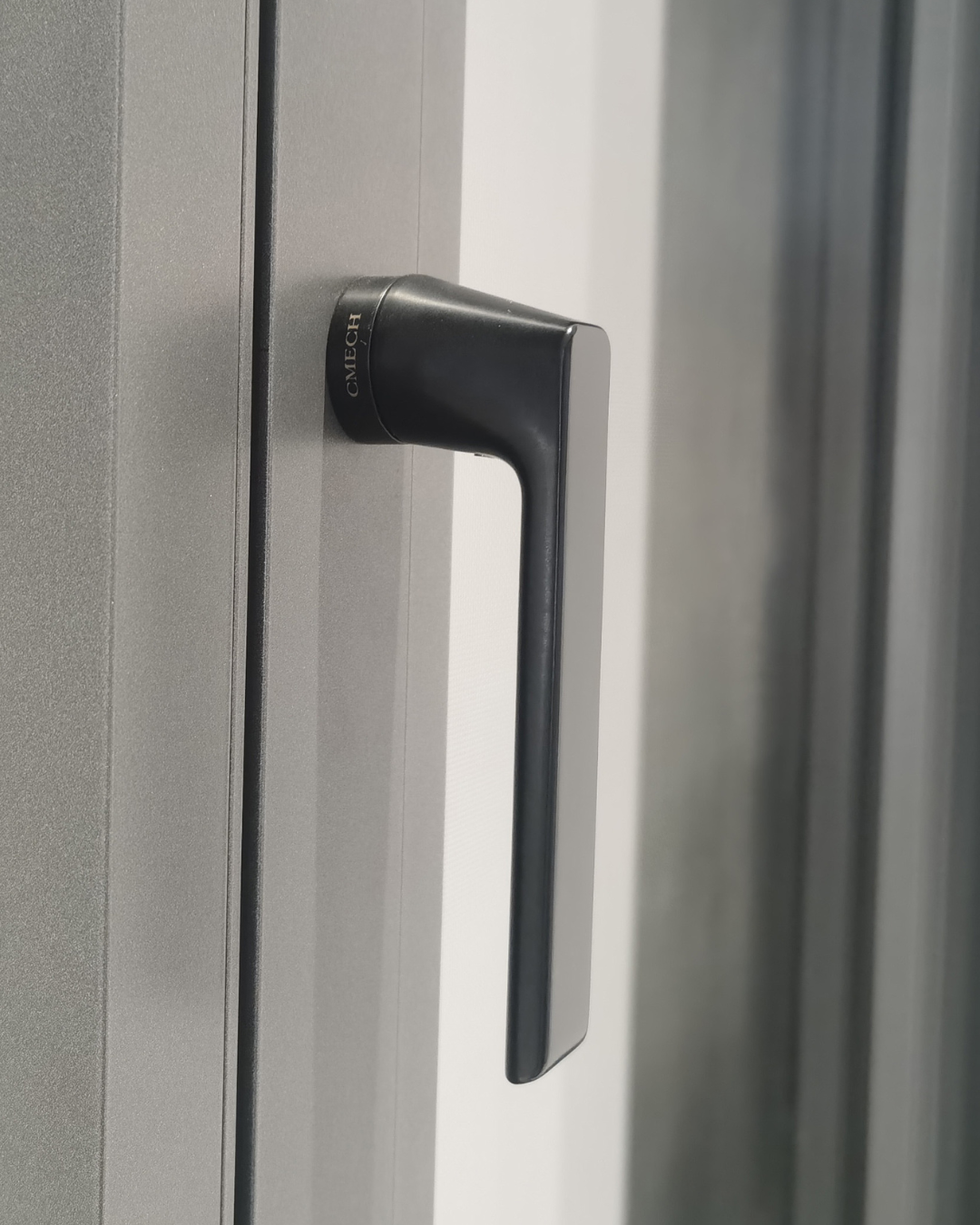
Comparative lead: why these two work better together
When architects and contractors compare fenestration strategies, the combo of a casement window hardware kit with a bifold door hardware kit keeps rising to the top for luxury commercial projects. The casement offers tight seals and clear sightlines; the bifold delivers wide, uninterrupted openings. If you’re specifying window hardware, this pairing balances performance and aesthetics while supporting premium finishes and robust multipoint locking without overcomplicating the façade. Projects around Manhattan’s High Line and other adaptive-reuse districts show real demand for operable systems that perform under high foot-traffic and strict energy goals, and LEED-certified clients often prefer operable glazing to improve indoor quality.
Design advantages and occupant experience
Casement hardware lets a sash close with compression, creating superior air and water resistance compared to single-slider setups. Bifold door kits use a sophisticated track system to fold panels cleanly into a pocket or stack, maximizing sightlines and access. Together they let designers mix fine-grain control (casements for ventilation) with large-scale openness (bifolds for movement), which is why you see them in hotel lobbies, executive offices, and retail flagships.
Performance: loads, sealing, and longevity
Engineers like this combination because you can tune each system to different performance priorities. Casements give you targeted weatherstripping and reliable multipoint locking that improve airtightness; bifolds are optimized around robust pivot hinges and stainless track systems for smooth operation under frequent cycles. Pay attention to wind-load ratings and hardware torque settings during procurement—mis‑rated components cause premature wear. —Small oversight, big headaches later.
Common specification mistakes and practical alternatives
Teams often underestimate interface details. Typical missteps:
– Treating casement and bifold hardware as plug-and-play instead of designing a transition threshold. – Choosing finishes for looks before checking salt-spray or abrasion resistance on the chosen metal. – Specifying a sash that’s too heavy for the selected pivot hinge or track system.
If constraints force alternatives, consider large sliding doors for slimmer sightlines or tilt-turn windows where maintenance access drives decisions. Each alternative trades off operability, energy performance, or stack depth, so document the expected duty cycle and maintenance plan up front.
Practical spec checklist for architects and contractors
Use this checklist to bridge design intent and on-site reality. Include the {main_keyword} and the {variation_keyword} in your shop drawings so fabricators can resolve tolerances early.
– Confirm wind-load and cycle-rating for each sash and bifold panel. – Specify multipoint locking for casements and corrosion class for bifold tracks. – Define threshold detail and drainage strategy for interface between window and door. – Match finishes and fastener materials to avoid galvanic corrosion. – Document required clearances and torque values for hinges, rollers, and locks. – Source tested components and request field-adjustment guidance from the vendor of your window replacement hardware.
Decision framework: what matters most on luxury jobs
Cost is important, but three other factors typically matter more: longevity under heavy use, fit with cladding and mullion geometry, and user experience—how easily staff and guests operate the assemblies. When a specification aligns those priorities you avoid costly retrofits and warranty claims. Consider prototyping a mock-up elevation on-site to validate sightlines, sealing, and the interplay between sash and stacking panels before full production.
Advisory: three golden rules for choosing the right combo
1) Rate for real conditions: verify wind load, expected opening cycles, and exposure—spec hardware ratings that exceed expected use by a margin. 2) Prioritize interface details: thresholds, drainage, and compatibility between sash and bifold tracks determine long-term performance. 3) Insist on manufacturer guidance during installation and commissioning; field adjustments are where many promises become reality.
Trust the hardware to carry the design intent, but make the procurement smart and the installation precise. CMECH. —Final thought: durable components and clear specs save time and brand reputation.