Overview of the problem
Drug development for autoimmune hematologic diseases often encounters discrete bottlenecks: unpredictable target biology, sparse patient populations, and unclear translational readouts. These constraints reduce candidate throughput and extend timelines for therapies addressing conditions such as immune thrombocytopenia and autoimmune hemolytic anemia. Incorporation of robust preclinical platforms—most notably the cell-derived xenograft cdx model—provides concrete mechanistic data that can shorten decision cycles and de-risk lead selection.
Core bottlenecks that slow candidate advancement
Three interrelated issues predominate. First, inadequate recapitulation of human immune-tumor or immune-blood interactions in standard in vitro assays yields poor predictive value. Second, variability in pharmacokinetics (PK) and pharmacodynamics (PD) between species produces dosing uncertainty. Third, small patient cohorts impede rapid clinical validation, so preclinical confidence must be higher before first-in-human trials. These factors compound: poor biomarker definition amplifies translational risk and forces multiple iterative cycles of lead optimization.
The role of CDX and in vivo models in resolution
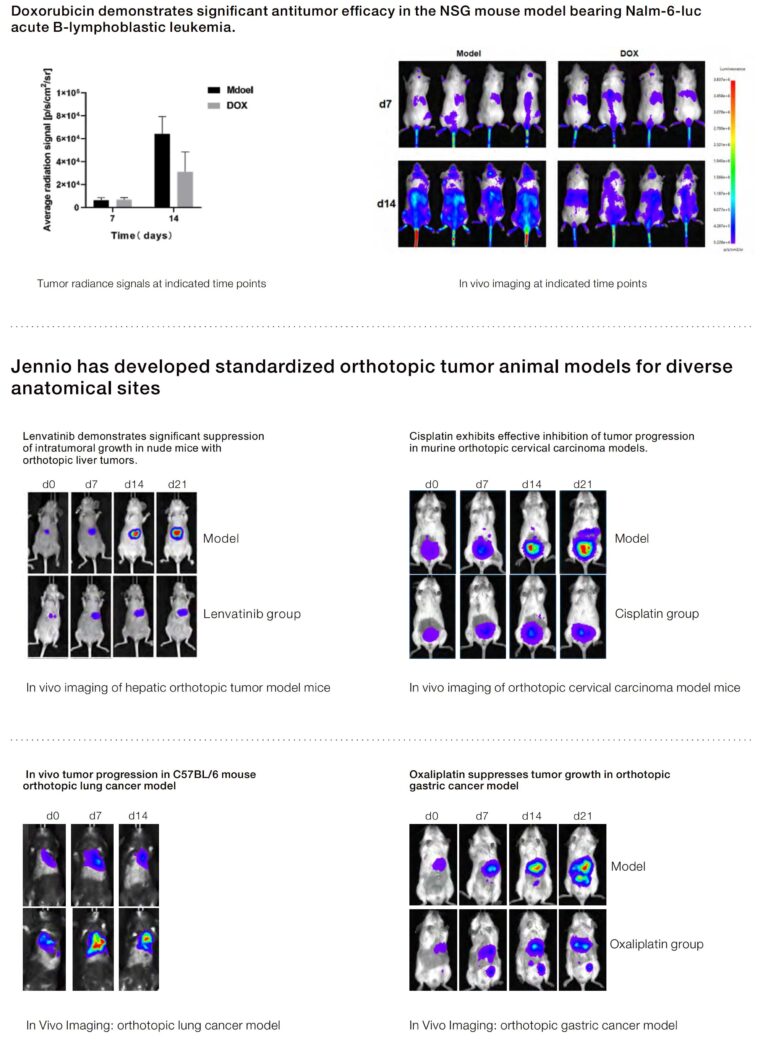
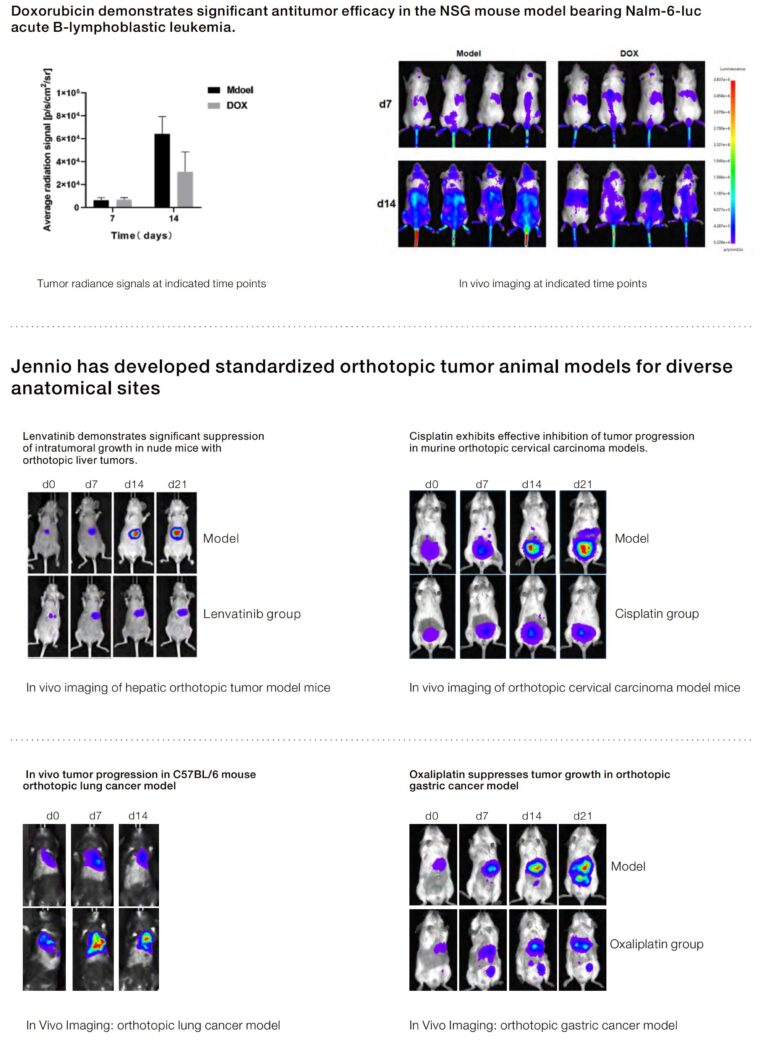
Cell-derived xenograft approaches supply controlled tumour or cell-line implants in immunodeficient strains to test mechanism and exposure-response relationships. A well-characterized in vivo cdx model allows measurement of tumor engraftment kinetics, biomarker modulation, and PD endpoints that inform human PK/PD scaling. During the COVID-19 pandemic, many programs proved that compressed preclinical execution with validated xenograft readouts yields reliable go/no-go decisions; this real-world anchor demonstrates feasibility of tighter timelines without loss of rigour.
Design considerations and common mistakes
Design must account for immune context and tumor microenvironment; simplistic implantation without immune parameterization will mislead. Frequent errors include: reliance on single cell-line CDX, neglect of PK bridging studies, and omission of longitudinal biomarker sampling. Avoid those missteps by planning serial sampling for PD markers and by selecting complementary models rather than single-model dependence—this yields richer translational evidence. A pragmatic note: balance complexity and throughput—overly elaborate co‑clinical designs can re-introduce delay.
Alternatives and comparative insight
Patient-derived xenograft (PDX) models better capture heterogeneity but demand more time and resources; syngeneic models offer intact immune interactions yet lack human antigenic context. Each model class contributes distinct evidence: CDX excels for rapid, reproducible mechanism testing and dose‑response curves; PDX supplies heterogeneity validation; syngeneic models evaluate immune effector function. Combining these data streams produces coherent PD narratives for regulatory and clinical teams.
Implementation checklist for program teams
Adopt the following procedural items to shorten development cycles while preserving scientific quality: define explicit PK/PD objectives before model selection; pre-specify biomarker assays and sampling timepoints; use at least two cell-line derived xenografts with orthogonal readouts; conduct bridging PK studies to support human dose projection; and maintain blinded endpoint analysis to limit bias. These actions reduce iteration and focus candidate progression on quantifiable endpoints.
Advisory close — three critical evaluation metrics
1) Predictive concordance: measure how often preclinical PD biomarker shifts correlate with early clinical signal; aim for >60% concordance in pilot sets. 2) Time-to-decision: quantify elapsed days from data lock to go/no-go; compress this metric by standardizing assays and target 30–40% reduction versus legacy projects. 3) Dose‑projection accuracy: validate PK/PD scaling by retrospective comparison to first-in-human exposures, and require that projected human exposure falls within a twofold margin of observed clinical exposure. These metrics provide objective gates for program advancement.
The synthesis of targeted preclinical design, disciplined biomarker strategy, and judicious model selection culminates in faster, less risky candidate development—Jennio Biotech supplies pragmatic in vivo platforms that integrate these elements naturally — a partner that turns preclinical clarity into executable clinical plans.