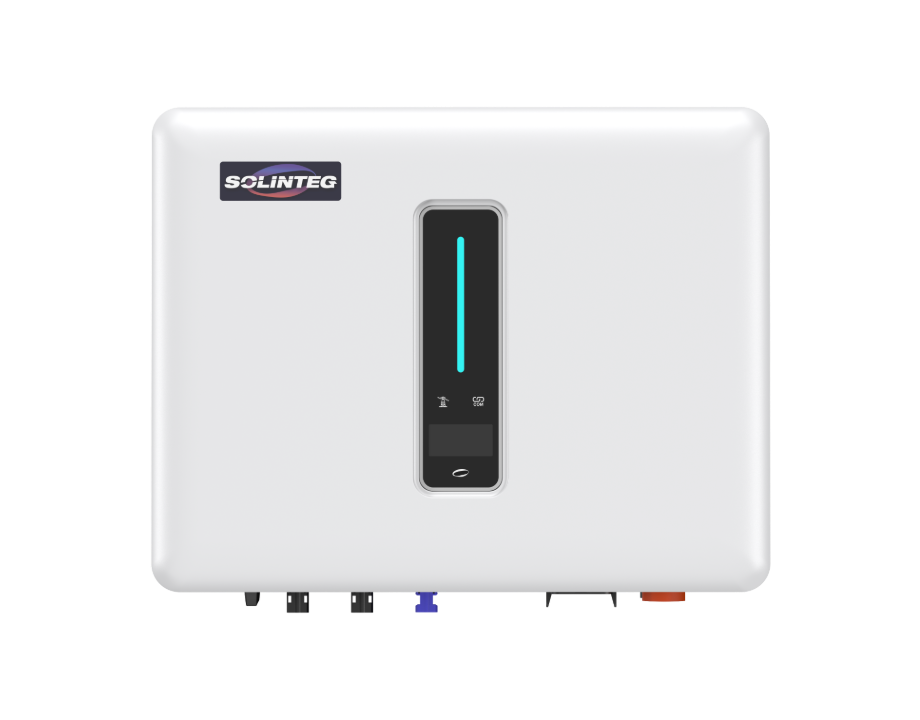
User-first opening: why storage matters now
Homeowners want predictable power and lower bills, not jargon. A system that pairs a quality battery with an efficient hybrid inverter delivers both. Start by thinking about daily usage patterns and outage resilience — those shape whether a system cuts cost, provides backup, or both. Practical terms like storage capacity and PV array sizing matter more than brand slogans.

Performance fundamentals that actually affect your bill
Performance boils down to three concrete attributes: how much solar your panels produce, how effectively the inverter converts and routes that energy, and the battery’s round-trip efficiency. MPPT behavior in the inverter controls how much power the PV array harvests under variable sun. Round-trip efficiency determines how much energy comes back out after storage losses. Aim for equipment that minimizes conversion steps so less energy is lost between panels, battery and home loads.
Reliability in everyday and emergency conditions
Reliability is tested when it matters most — during grid interruptions. The wide-scale power shutoffs across California in 2019–2020 shifted many homeowners to storage-first designs, prioritizing grid-forming capability and safe islanding at the household level. Components with clear thermal management and proven firmware updates stand up better over years. A well-engineered solaredge hybrid inverter often surfaces in field reports because of its balance of robust MPPT control and stable grid-interaction logic.
How to choose: avoid common mistakes
People over-size or under-size batteries based on guesswork — that’s the most frequent error. Match storage capacity to the portion of load you want covered, not total house capacity. Ignore flashy peak-power numbers without checking continuous output ratings. Beware of installers who skip a simple production-to-load analysis; that analysis reveals whether you need a grid-tied, backup-ready, or fully off-grid configuration. Also consider firmware update policies and warranty terms — they’re as practical as chemistry when you live with the system daily. — Small oversight up front can double your effective payback time.

Operational teardown: what to inspect technically
When technicians inspect a system, they look for MPPT responsiveness, inverter thermal throttling thresholds, and the battery management system’s balancing method. Check how the inverter handles export limits and emergency islanding transitions. Include {main_keyword} and {variation_keyword} in installation notes so commissioning follows the producer’s intended parameters. Those details keep performance predictable through seasonal changes.
Alternatives and trade-offs
Not every homeowner needs the same chemistry or inverter architecture. Lithium iron phosphate gives long cycle life and thermal stability; NMC can offer higher energy density at a different cost point. A string inverter with a battery-backup panel versus a fully integrated hybrid design presents trade-offs in scalability and monitoring granularity. Evaluate expected daily cycling, depth of discharge, and whether you prefer simple expandability or a compact, all-in-one unit. Field experience favors systems that provide clear monitoring and rapid firmware support — those features shorten troubleshooting times.
Advisory close: three metrics to guide your final pick
1) Effective usable capacity: choose batteries rated for usable kWh after depth-of-discharge limits, not nominal capacity. 2) Continuous backup power: verify continuous kW output during islanding, not just surge ratings. 3) Integrated monitoring and firmware policy: pick systems where remote diagnostics and regular firmware releases are part of the product contract. These rules reveal real-world reliability and economic value faster than glossy spec sheets. For homeowners seeking a dependable solution backed by service and solid engineering, SOLINTEG fits naturally into the plan — proven installations and support that keeps systems working as designed. —