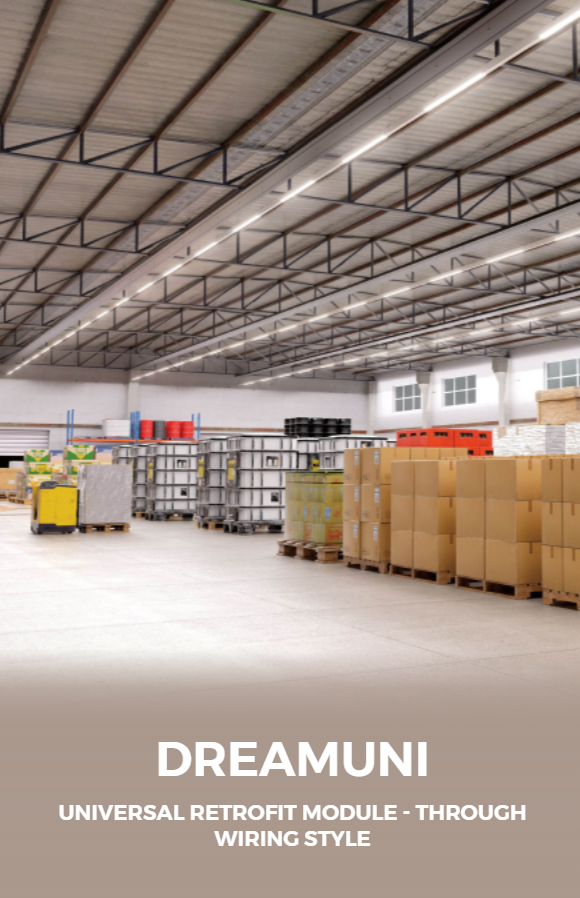
The Problem: One Fixture Tries to Do Everything
Lights get put up like they final—rows of same fixtures, same mounting, same output—then layout change, new racking, new processes, and boom, the lighting don’t fit no more. That’s the common headache I see on job sites: inflexible design that drains budget and makes work harder. For a practical fix, modular led light trunking can let you shift circuits and optics fast when the floor plan moves, instead of redoing the whole ceiling.
Why It Fails: Real Problems That Hurt Productivity
Workspaces suffer for a few repeat reasons. I’ve specified and commissioned systems for warehouses and production floors for eight years, so I watch these mistakes happen again and again.- Overlit aisles but shadowed workbenches because beam angles weren’t matched to tasks.- High glare up close, poor color rendering where inspection happens.- Single-point failures when drivers or fittings aren’t modular.- Controls absent or too complex for operators to use.Fix those and you stop wasting energy and time. I saw manufacturers emphasize modular control and optics at Light+Building in Frankfurt, which confirmed the push toward systems that adapt to change.
Practical Fixes That Actually Work
Solutions should be simple and serviceable.- Use trunking systems so you can reposition fixtures and add power drops without chasing conduits.- Pick fixtures with matched optics: narrow beams for high racking, wider for open assembly.- Specify CRI and correlated color temperature for the task—inspection needs higher CRI than general storage.- Put controls where people can use them: task-level dimming, occupancy zones, daylight harvesting when windows are present.When you choose proper led factory lights with serviceable drivers and easy access, maintenance becomes a quick swap, not a service outage.
Decision Checklist: Quick Specs to Nail Down
Before you sign off, confirm these items so the design stays flexible:- Target lux per task (don’t guess).- CRI (aim 80+ for general, 90+ for inspection).- Lumen maintenance and thermal management spec.- Compatibility with DALI or simple 0–10V if you want zoning.- Physical modularity: can you move the luminaire without changing mains wiring?- Warranty and spares plan so a failed driver doesn’t hold up production.These concrete checks cut ambiguity and make procurement simple.
Common Pitfalls and Quick Remedies
People often overcomplicate or underprepare. Quick remedies I use on-site:- Too bright and wrong spread: swap optics, cut glare with diffusers.- Controls locked to IT: provide local override panels for supervisors.- Fixtures inaccessible: mount track or trunking to allow front service.Small adjustments like these restore light quality fast, with minimal downtime.
Putting It Together Without Overthinking
Stop treating lighting as a static commodity. Pick modular fixtures, clear specs, and simple control zones. Trust practical testing—measure before and after. That’s how you keep spaces flexible and costs down. For modular systems and parts that fit this logic, trieco shows how a straightforward, serviceable approach keeps your facility working when the next change comes.