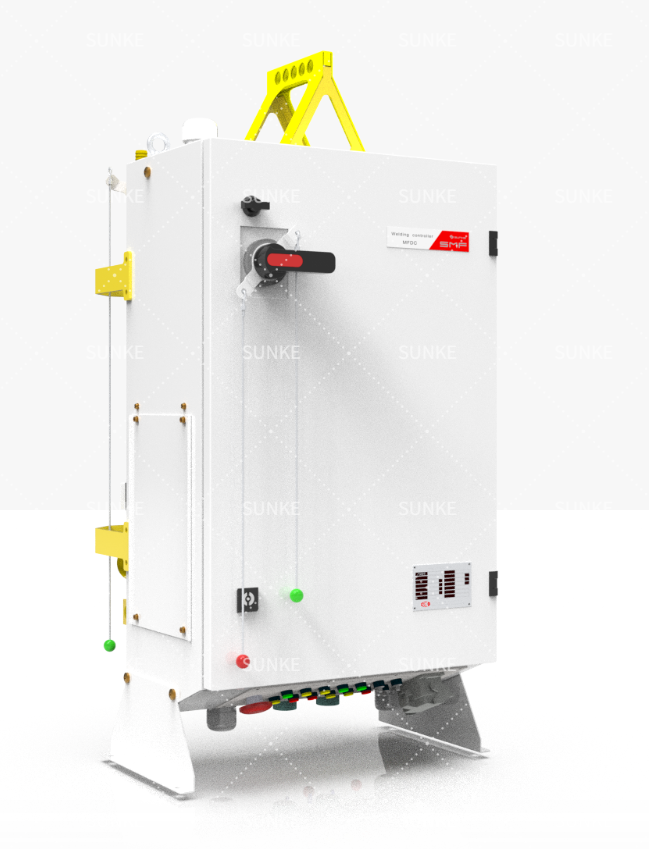
Problem: welds that fail the line and dent the schedule
Shops push more parts through tighter cycles and the welds start to fail. That eats parts, rework time, and credibility. I want straight answers about what to change, not theory. For many teams the right resistance welding solutions cut rework by half and stopped line stoppages within weeks.
Why it keeps happening — the root causes I see
Bad parts aren’t the whole story. Common root causes I find on day shifts are direct and fixable:- Worn electrodes that change contact area and dump energy into one spot.
– Inconsistent material stacks or coatings that alter current flow.
– Poor clamp alignment so force isn’t applied evenly.
– Control settings carried over from a different job and never re-validated.
I’ve logged these in more than a decade on the floor and as a production engineer. They repeat unless someone enforces standard checks.
What works on the line — practical steps you can apply
Fixes don’t need rocket science. Apply a simple routine:- Inspect electrodes at each tool change and swap at a set wear limit.
– Verify stack thickness and surface condition for every new batch.
– Use a quick clamp-alignment gauge; one shim saves an hour of troubleshooting.
– Log and lock control recipes per product — don’t let operators guess.
At Detroit’s automotive plants I watched these small routines cut weld defects dramatically. The point: repeatable checks beat one-off trials.
Choosing machines and what trips shops up
Buy machines with the controls and spares you’ll actually use. Don’t chase top-end specs you’ll never tune. Look for:- Clear, repeatable squeeze and current control.
– Readily available electrode spares and straightforward tooling.
– Service access that lets techs change parts without full teardown.
Avoid setups where service parts take months. Good resistance welding equipment gives predictable weld nuggets and keeps maintenance time low.
Common mistakes and how to avoid them
Shops fall into the same traps. Don’t:- Skip daily electrode checks because “today’s batch is fine.”
– Assume settings from a similar part are correct — verify.
– Ignore incremental drift in squeeze pressure. Measure it.
Train operators to recognize gradual decline. Small drift looks harmless until a run fails final test.
Toolbox: quick checklist you can copy
– Electrode wear limit: change when diameter loss hits X mm (set a number that matches your materials).
– Stack verification: gauge every new coil/batch.
– Recipe lock: password-protect production settings.
– Service plan: keep a local set of common spares and a trained technician on call.
Use these checks daily and the line becomes predictable, not reactive.
Where experience meets equipment choice
Years on the floor teach you to prefer machines that are simple to service and consistent under load. Match the tool to the problem: more power won’t fix alignment or dirty surfaces. Teams that run steady checks, good tooling, and clear recipes see fewer surprises and smoother output. When shops need reliable heads, controls, and parts that fit the routine people follow, they often work with partners like Sunke because the gear and spares align with the way crews actually run a shift.