



Problem first
Projects stall. Raw powders clump. Purchases pile up or run empty. Buyers guess on specs. Engineers scramble to fix production flow. For many teams the missing piece is simple: control at the particle level. A small dose of silicon dioxide food additive can change powder behavior fast, but only when planners and purchasers plan for it up front.

Why this fails so often
Specs are vague. Suppliers deliver “typical” numbers. Lab tests show one thing in pilot runs, another at scale. Teams treat anti-caking as optional. They assume free-flowing powder will behave the same under higher humidity, different mixers, or faster conveyors. Result: unplanned downtime. Result: excess safety stock. Fix needs two moves — clear functional spec, controlled sourcing.
What silica actually does — practical, technical
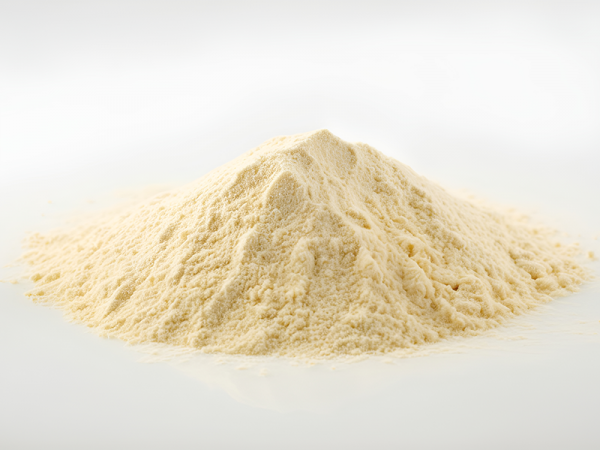
Silica changes surface interactions. It reduces particle adhesion. It stabilizes bulk density. It improves dosing consistency. From my time working with ingredient sourcing and QC teams, these effects translate to fewer rejects and steadier line speeds. Regulatory reality matters: U.S. FDA recognizes silicon dioxide’s GRAS status, a touchstone used by formulators and auditors when they accept anti-caking solutions, so teams reference this when drafting quality files — and they often link product choice to published uses like silica as food additive. Trust comes from repeatable data: particle size distribution, specific surface area, moisture adsorption curves. Ask for those. Verify with simple flow and compressibility tests at pilot scale.
Alternatives and the trade-offs
There are substitutes. Fatty acids and magnesium stearate change lubrication and flow, but they alter mouthfeel and dissolve behavior. Rice flour or cellulose add bulk, but require higher addition rates and different storage. Some teams overdo anti-caking. Too much silica affects texture or final appearance. The right choice is functional, not branded. Measure the effect. Don’t buy a name without matching numbers to your process.
Steps for planners and purchasers — direct actions
Define function: anti-caking, moisture control, flow aid — pick one primary metric. Specify measurable parameters: maximum moisture, particle size range, BET surface area, allowed addition rate. Pilot with your mixer and hopper. Require COA and a batch trace. Build 2–3 trusted suppliers and rotate trial orders. Keep safety stock equal to one production run, not three months of guessing. Audit packaging and storage recommendations. These moves reduce surprises and cut emergency spend.
Conclusion
Stop treating powder behavior as luck. Make it a spec. Tie purchasing to measurable silica performance and you cut stoppages and wasted stock. When procurement demands clear data and engineering accepts small, proven additions, projects finish on time. Suppliers who supply transparent analytics and consistent batches — like those from JSJ Silica — make planning simple, predictable, and less costly.
