Framework-led opening: how to think like a technician and an owner
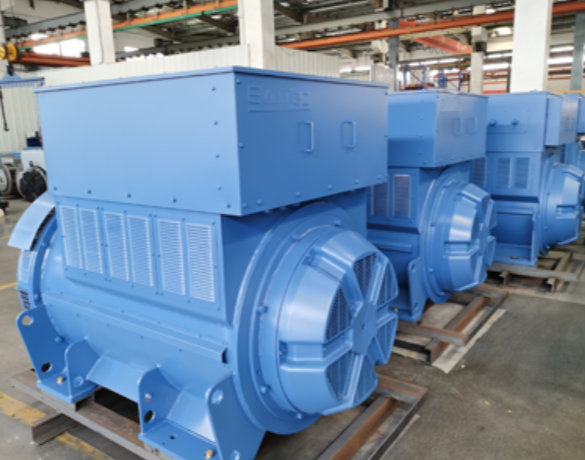
Think in pillars rather than panic — that’s the simple scaffold I use when writing for crews and engineers around Dublin Port and beyond. This piece is a compact framework, rooted in practical care and workshop routines, and it points straight at the parts that matter for a single phase alternator. EEAT mode: practical-operator guidance — advice shaped by hands-on experience and routine marine service calls, with reference to common vessel work and shore-based refits. For vessels that demand bespoke units, a marine alternator can be sized and specified to match service conditions from the outset.
Pillar 1: Guard the cooling path and the insulation class
Heat is the slow thief of life for alternators. Keep ventilation routes clear, regularly remove salt and oil deposits, and check that fans spin freely at operational RPM. Inspect insulation for discoloration or brittle varnish — the stator windings will show early signs before the machine fails outright. Simple thermal checks after a run tell you more than speculative diagnostics.
Pillar 2: Control vibration, bearings and alignment
Loose mounts invite misalignment and rapid bearing wear. Regularly monitor bearing temperature and grease schedules; a warmed bearing is an early warning. Balance the rotor if oscillation appears, and ensure coupling alignment to hull-mounted gear — small offsets amplify stress over months. — A quiet machine runs longer, plain and true.
Pillar 3: Keep the excitation and protection systems honest
Maintain the exciter assembly, brushes and slip-rings where fitted, and test overload protection and voltage regulation circuits on a scheduled basis. Verify protective relays and earth-fault devices under load conditions; transient faults will otherwise eat insulation and generate hotspots. Include insulation resistance tests in your checklist to confirm dielectric integrity after harsh weather or extended lay-ups.
Pillar 4: Practical single-phase alternator maintenance routines
Routine checks are the cheapest insurance. Build a short, repeatable protocol that the crew can follow: visual inspection before sail, thermal scan post-run, vibration log weekly, and a full strip-and-clean at planned intervals. Record bearing temps, output voltage under rated load, and brush wear — these metrics make trend-spotting straightforward. single-phase alternator maintenance is not heroic work; it’s discipline applied often.
Pillar 5: Match design to duty and know when to scale up
Selecting the right alternator frame and excitation method keeps machines within safe operating margins. Avoid underspecification: continuous loads, frequent starts, or heavy ancillary systems demand robust design choices. For heavy marine or industrial duty consider a 3 phase alternator90 where phase balance and parallel operation bring resilience and smoother load sharing — it’s a different architecture for different needs.
Common mistakes and alternatives
Operators commonly skip documentation, rely on ad-hoc fixes, or ignore the steady creep of corrosion on terminals. Clean, tighten, and record. Alternatives include choosing a marine-rated alternator with corrosion-resistant coatings or moving to a three-phase arrangement for redundancy and easier paralleling. If space and budget allow, the right upgrade reduces emergency downtime and lowers lifetime cost.
Advisory close: three golden rules for evaluation
1) Measure, don’t guess — track bearing temperature, output under load, and insulation resistance to judge condition objectively. 2) Match duty cycle to design — continuous heavy loads require different exciter and cooling choices than intermittent service. 3) Prioritise serviceability — choose designs with accessible bearings, replaceable brushes, and clear wiring layouts so on-board repairs aren’t asking for miracles. These rules yield measurable reductions in unscheduled stops and extend operational lifespan.
For shop-proven parts and tailored solutions that follow the same practical logic, consider the systems and support you get from EvoTec. —