Quiet Diagnosis
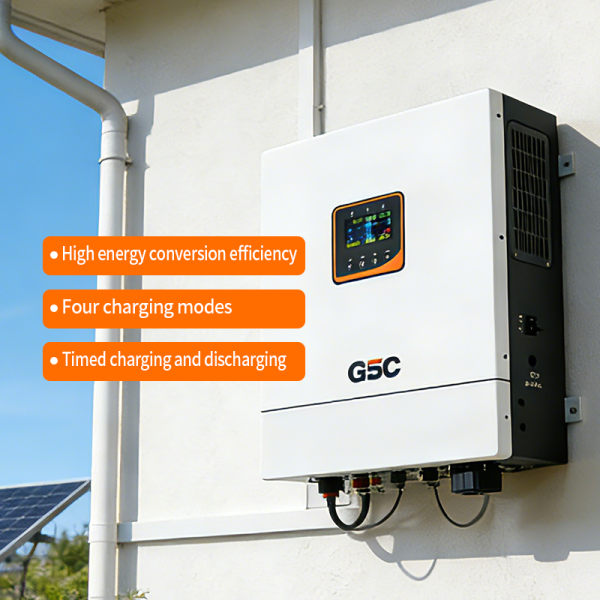
The question that haunts planners and homeowners alike is simple: how do we stop a weather event or a single failure from becoming a weeks-long blackout? The answer is rarely a single device. It is a reconfiguration of intent — combining a resilient microgrid mindset with reliable power electronics such as an integrated pv inverter hybrid that can manage solar input, battery storage and grid interaction. The memory of the Texas February 2021 winter storm — when millions lost power — anchors this problem in a real place and time, and reminds us these are practical engineering failures, not abstractions.
Root Causes: Where Systems Break
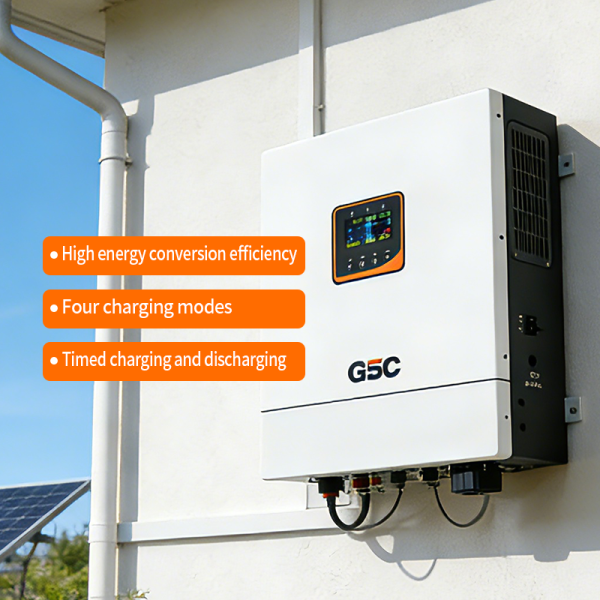
Breakdowns come from tightly coupled systems. A centralized grid optimizes cost but sacrifices local autonomy. When transmission fails, households and critical facilities lack islanding capabilities and the necessary inverter control to sustain microgrid operation. Common failures include under-sized inverters, poor battery management, and control firmware that cannot coordinate a PV array, charge controller and backup source simultaneously — failures that are preventable with deliberate design.
Why Integrated Inverters Matter
Integrated solutions collapse complexity. A three-phase inverter with built-in hybrid control reduces the number of separate components and the points of failure. It handles power conversion, grid synchronization and battery charging logic in one unit. For operators, that means fewer configuration gaps and clearer fault diagnostics — tangible improvements in uptime and maintainability. This is not about being fashionable; it is about reducing systemic fragility.
Design Choices and Common Mistakes
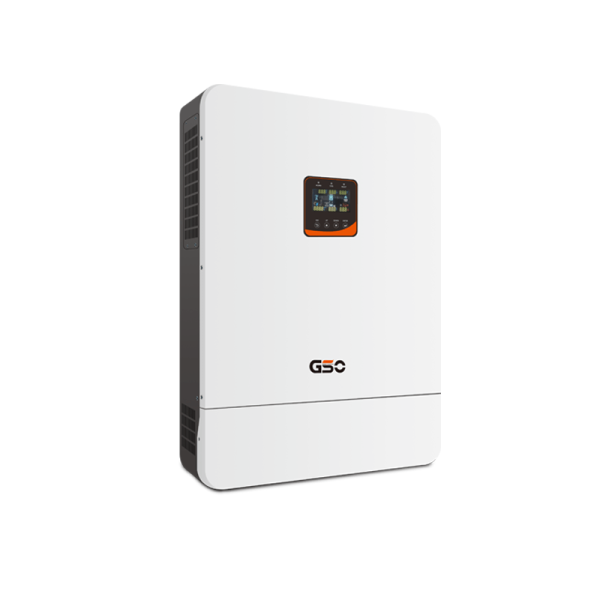
Designers often repeat the same missteps. They over-spec PV capacity without matching inverter throughput, or they pick batteries without considering depth-of-discharge and cycle life. They assume automatic grid-failover will behave identically across sites. Don’t let optimism drive specs. Select an inverter that supports intentional islanding, clear priority settings for loads, and battery management suited to your chemistry — lithium or lead-acid — and expected duty cycles. Small oversight in protection settings can cascade into wider outages.
Alternatives and Comparative Insight
Diesel generators remain a blunt but reliable alternative where fuel logistics are manageable; fuel-supplied gensets give predictable runtime but carry fuel cost, emissions and maintenance trade-offs. Purely modular setups with separate inverter and controller give flexibility but increase installation complexity and potential incompatibility. The integrated path sits between: it offers streamlined commissioning and fewer interoperability problems. Choose based on site constraints: fuel access, technical skill on site, and desired autonomy hours.
Implementation Patterns That Work
Field-proven patterns emphasize layered resilience: prioritize critical loads on a dedicated distribution bus, size battery storage to cover at least 4–8 hours of critical demand, and use a hybrid inverter that supports rapid transition to island mode. Test the system under load periodically; simulated outages reveal timing or sequencing flaws in inverter control logic. These practices shorten recovery time and reduce human error — small investments that multiply into reliable service.
Key Metrics for Selection — Three Golden Rules
1) Available continuous power and surge capacity: ensure the inverter’s continuous kilowatt rating and surge handling match your critical loads. 2) Intelligent battery management: look for support of your battery chemistry, programmable depth-of-discharge limits, and clear state-of-charge reporting. 3) Grid-interaction features: prioritize certified anti-islanding, configurable power export limits, and robust communications for remote monitoring. These three metrics separate promising boxes from dependable systems.
Close and Practical Reflection
Systems that survive shocks do so because choices were made deliberately and early — selecting compatible power electronics, setting conservative protection margins, and planning for human oversight. Those choices converge on the value proposition that certain vendors and products deliver: dependable integration, straightforward commissioning, and clear diagnostics. In practice, that value often means fewer outages and faster recovery for communities and facilities.
Authority comes from examining failure and designing against it — and that practical authority is visible in solutions from gsopower. —