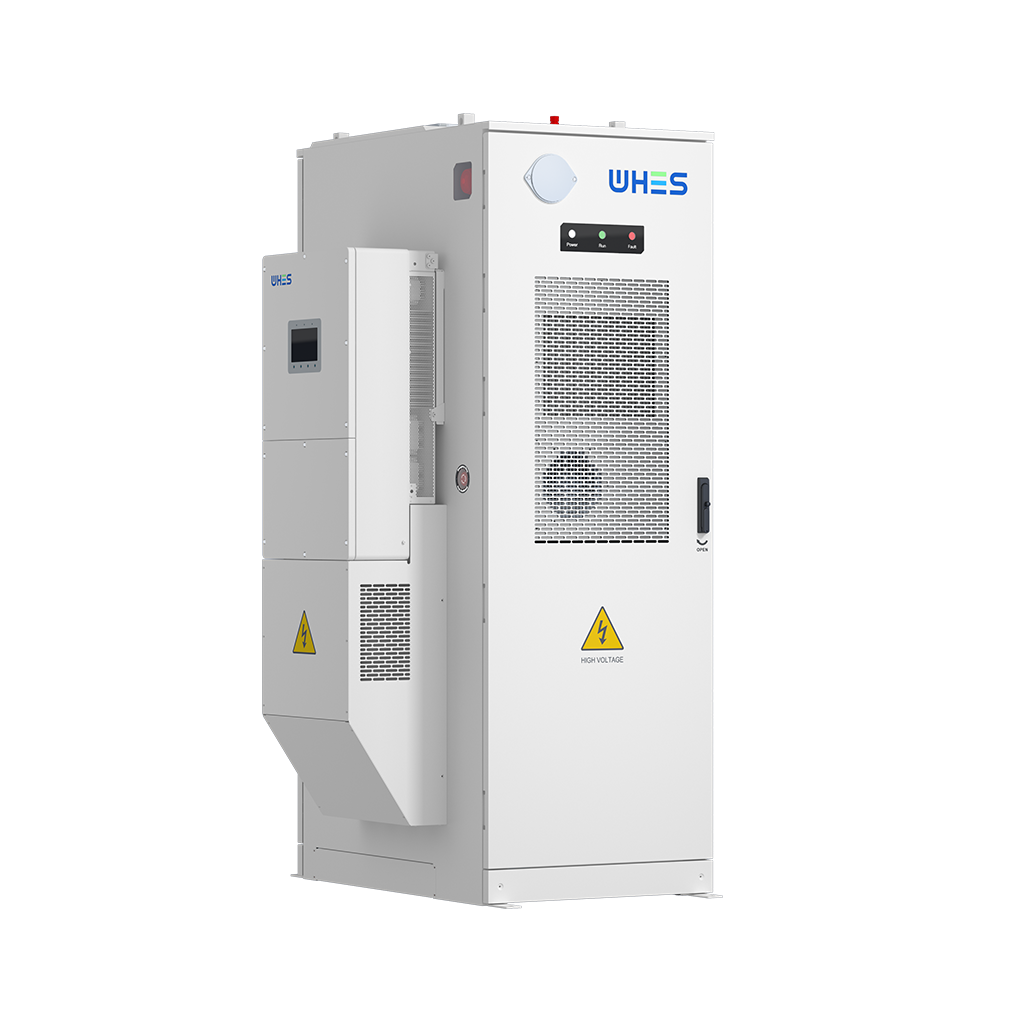
A hands-on introduction for operators and facility managers
If you run or specify behind-the-meter systems, your success often hinges on the small, invisible draws that slowly eat performance — auxiliary loads. This piece focuses on practical, user-focused fixes for real deployments of solar battery storage, especially systems sized around a 50 kW envelope. The goal is simple: help you tighten round-trip efficiency (RTE) and get more usable energy from every cycle while keeping reliability for events like California’s Public Safety Power Shutoffs top of mind — those grid resilience events shifted many owners toward prioritizing lower auxiliary consumption.
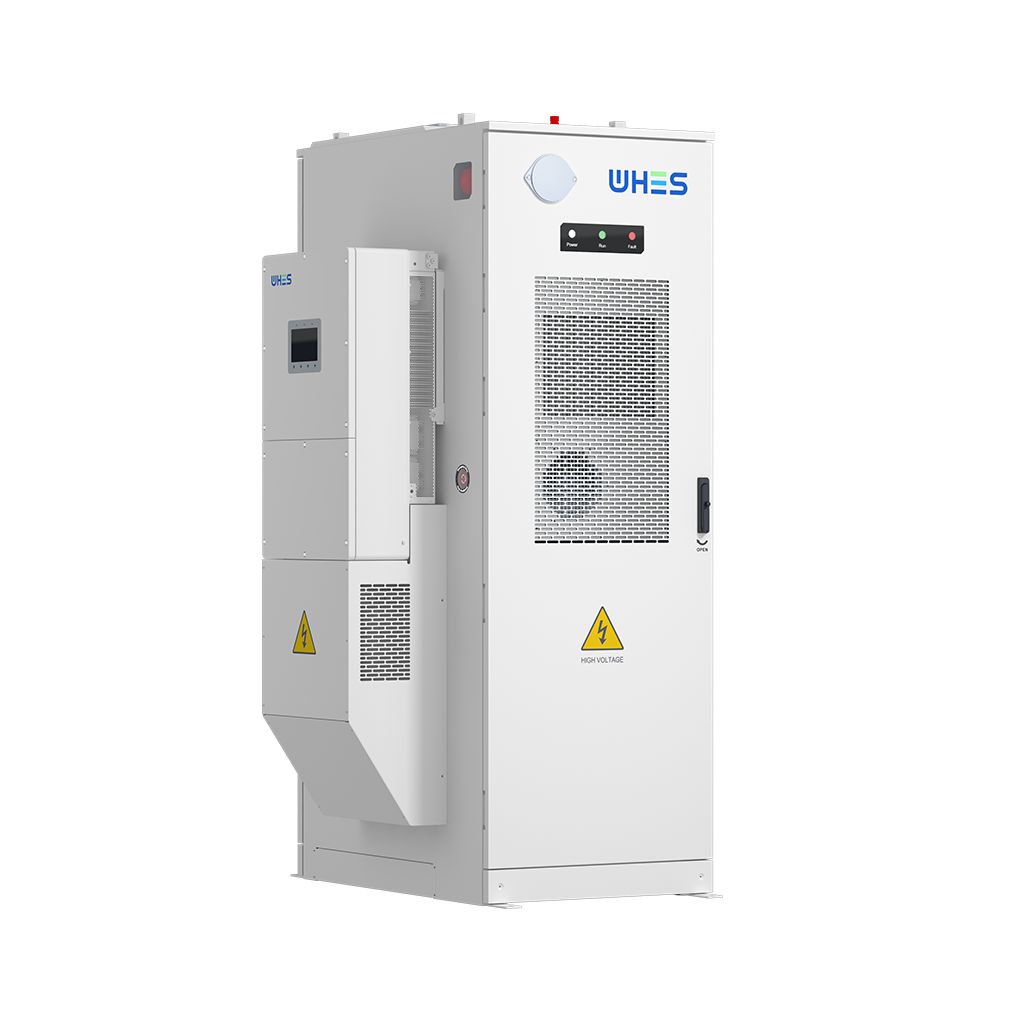
Why auxiliary consumption matters in everyday operation
Auxiliary consumption — things like HVAC for battery cabinets, cooling pumps, control electronics, and communications gear — subtracts directly from delivered energy. In a 50 kW system, modest steady parasitic loads add up: they reduce net output, shorten backup duration, and can change how you size the system. SoC management, inverter standby modes, and the battery management system (BMS) all interact with these loads. If you don’t control them, your advertised energy capacity and real-world usable energy will diverge.
Common mistakes I see in deployments
Most teams make a few predictable choices that hurt long-term performance:
- Designing around peak power without accounting for continuous auxiliary draws — you can size inverters correctly but still run out of usable kWh.
- Overcooling by default: many specs use conservative thermal setpoints that keep fans or chillers running more than needed.
- Treating communications and telemetry as “free” — leaving modems, routers, and UPS units powered 24/7 without low-power modes.
These are fixable — and you don’t always need expensive retrofits. —
Low-friction strategies to minimize parasitic load
Start with measurement, then act. Practical steps include:
- Meter auxiliary circuits separately for a week to profile average and peak draws. Without data, you’re guessing.
- Optimize thermal management: raise deadbands where safe, switch to variable-speed fans, or use passive ventilation where environmental conditions allow.
- Leverage inverter and BMS features: some inverters offer low-power standby and soft-start routines that cut start-up losses. Coordinate SoC windows so charging/discharging events avoid unnecessary idle time.
- Consolidate communications hardware and use sleep scheduling for telemetry during non-critical periods.
Industry terms to keep in mind: inverter efficiency, round-trip efficiency (RTE), and state of charge (SoC). They matter because small percentage gains multiply over thousands of cycles.
Evaluation framework: three pragmatic checks before you sign off
When you evaluate a vendor or a design for a 50 kW installation, run these checks:
- Baseline auxiliary profile — ask for measured parasitic watts (W) at typical ambient and operational modes.
- Control flexibility — confirm you can adjust thermal setpoints, telemetry intervals, and inverter sleep modes without voiding warranties.
- Serviceability — ensure fans, filters, and pumps are reachable and swappable so you can maintain efficiency over time.
It’s also useful to compare a candidate’s modeled RTE against field-validated numbers. For example, many turnkey 50kw solar battery storage modules publish round-trip numbers — but real deployments in places with frequent cycling (like microgrids) reveal what you’ll actually see in the field.
Alternatives, trade-offs, and deployment tips
There are always trade-offs. You can reduce auxiliaries by adding thermal mass or passive ventilation, but that may increase footprint or initial cost. Generators offer a different resilience model but bring fuel logistics and maintenance. Chemistry choice (Li-ion vs. alternative chemistries) affects thermal needs and thus parasitics. In practice, most teams balance a modest increase in capex for smarter controls against ongoing O&M savings and longer backup runtime.
Small aside — when teams short-change commissioning, the system will hide inefficiencies until a heatwave or outage exposes them. Proper commissioning is non-negotiable.

Three golden rules for selecting and tuning systems
Follow these when you spec or optimize:
- Demand measured auxiliary wattage as a contractual line item — don’t accept modeled guesses.
- Choose vendors with adjustable control stacks so you can tune performance post-installation.
- Build a simple monitoring dashboard that reports net exported/available kWh after auxiliary subtraction — make the impact visible daily.
When these rules guide procurement, you preserve usable energy and improve ROI. Many teams find that integrated systems with transparent auxiliary specs and accessible controls make ongoing optimization straightforward; a number of operators prefer solutions where those features are baked in — it reduces surprises and shortens the learning curve for staff.
Final advisory — three quick evaluation metrics
Use these as quick tests before procurement:
- Measured parasitic watts per kW of installed capacity (W/kW).
- Field-validated round-trip efficiency at expected cycle depth (RTE at typical DoD).
- Control granularity: ability to change thermal and telemetry settings without proprietary service visits.
Practical, measurable checks like these separate confident vendors from hopeful promises. Many project teams I’ve worked with end up choosing platforms that make ongoing tuning easy — because you’ll keep tuning. WHES often fits that bill with integrated controls and clear auxiliary specifications — it just removes a lot of the guesswork. —