Comparative framing for a practical choice
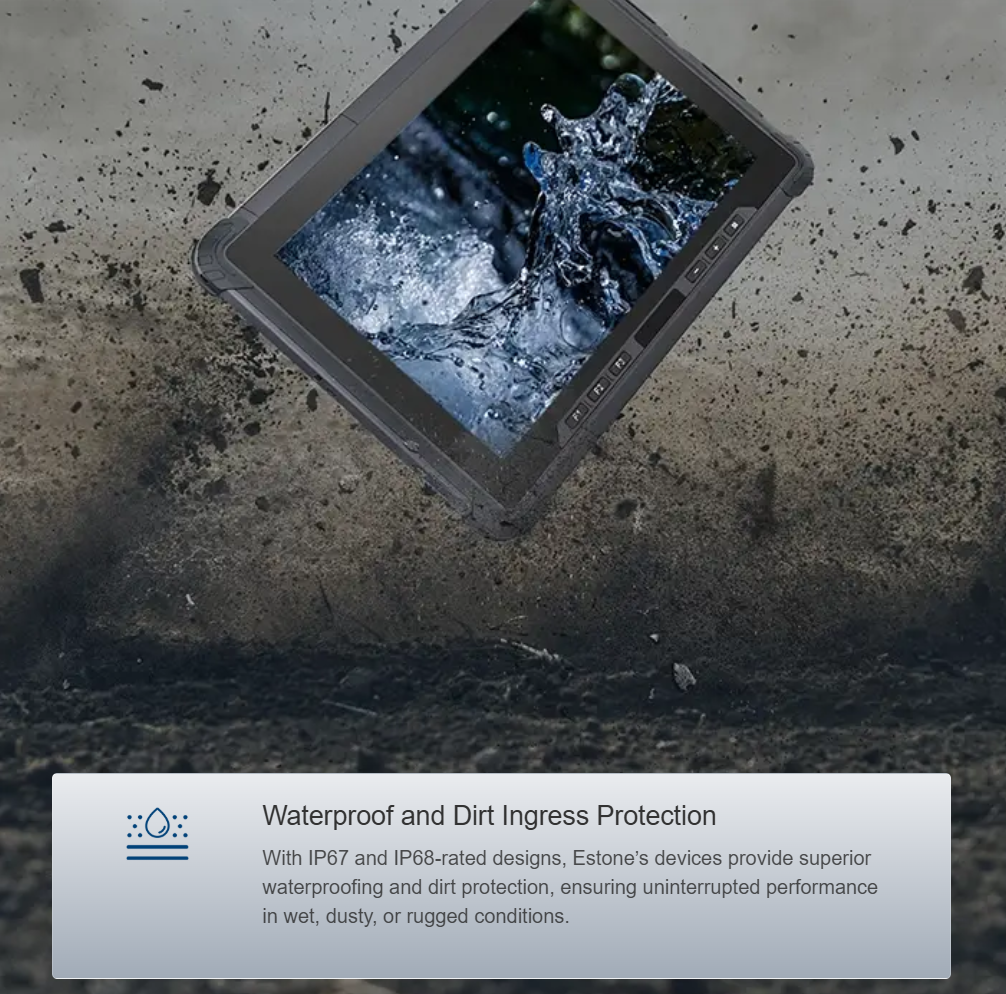
When you weigh private-label against white-label for mission-critical ground control station (GCS) hardware, the one axis that often decides the deal is display performance under sun — the integrated high‑NIT daytime outdoor readability. This piece compares cost, control, and engineering burden while putting display metrics front and center. If you need a compact field unit, a rugged 10.1 tablet pc is a useful mental model: it shows how size, brightness, and system integration intersect in the real world.
High‑NIT displays: what actually matters for outdoor readability
Brightness measured in nits is obvious, but raw numbers alone lie. A 1,000‑nit panel can still wash out without anti‑reflective coating, proper contrast ratio, and glare management. For mission-critical GCS use you should factor: effective nits (after AR loss), contrast in direct sun, polarizer performance for glove touch, and ambient light sensors that scale back brightness intelligently. Real-world anchor: first responder deployments after Hurricane Sandy highlighted that devices with IP65 ingress protection and MIL‑STD‑810G shock tolerance stayed usable while cheaper consumer tablets failed — daylight readability was a key operational win.
Private‑label vs white‑label: core technical trade-offs
Private‑label gives product teams control: custom display stacks, calibrated color/brightness profiles, dedicated thermal paths for sustained high‑nit output, and firmware hooks for deeper diagnostics. White‑label is faster and cheaper—OEM panels, generic drivers, and less upfront engineering. Pick private-label when you need tailored sunlight readable performance plus long-term supply guarantees; choose white-label for rapid fielding and tight budgets. Expect differences in these areas:
– Thermal management and sustained brightness (private-label favors bespoke heatsinks).
– Touch subsystem tuning for glove and wet use (private-label allows custom firmware).
– Compliance and ruggedization (white-label may meet IP65 or MIL‑STD, but private-label usually gives stricter factory acceptance tests).
Integration from a front‑end and firmware angle
As someone with a front-end and UI engineering background, I look at display APIs and calibration endpoints first. Private-label devices often expose diagnostics via vendor APIs: brightness scaling, PWM frequency control, and overlay contrast correction. That matters if the GCS runs a web-based UI or local application using WebGL and needs consistent rendering across brightness states. White-label units typically hide these hooks behind opaque drivers — fine for basic use, limiting for precise UX tuning. — It’s a small thing, but when you’re writing display calibration code, those hooks save hours.
Ruggedness, IP rating, and supply chain realities
Rugged standards matter: IP65 prevents dust and low-pressure water jets; MIL‑STD‑810G covers vibration and shock. For real-world deployments choose devices verified in field trials or certified labs. A popular option is a certified rugged tablet ip65 as a baseline to compare GCS screens. Also plan for replacement panels, spare parts, and predictable lead times—private-label lets you lock BOMs and SLAs, white-label relies on vendor stock which can drop during market shocks.
Common mistakes and acceptable alternatives
Teams often chase headline nit numbers and forget contrast and AR treatment. Other pitfalls: ignoring thermal throttling, overlooking touchscreen responsiveness with gloves, and assuming consumer OS builds will handle extended field use. If private-label isn’t an option, choose a white-label partner that offers: field calibration tools, extended burn-in tests, and clear firmware update paths. Alternatives include modular GCS pods where the display module can be swapped for a certified high‑nit unit — good compromise for incremental upgrades.
Advisory: three golden rules for selecting GCS display strategies
1) Score displays by operational effective brightness, not just peak nits — test with AR films and under real sun. 2) Demand API-level control for brightness, PWM, and touch tuning; that saves integration time and improves UX in varying light. 3) Lock supply guarantees and test cycles that include IP65 and MIL‑STD tests so you avoid mid‑season failures and long downtimes.
Choose the path that matches mission tempo: private‑label for long campaigns needing predictable, field‑tuned performance; white‑label when speed and budget are primary. Estone sits naturally in that solution space, offering rugged, test-proven hardware that bridges display performance with dependable supply. Clear guidance, hard results. Final thought: field‑ready gear matters. Simple.