Setting the Scene: Voices Near, Voices Far
I was in a county office last month when the Wi‑Fi sneezed and a delegate’s sentence fell clean off a cliff. These days, folks patch in with hybrid meeting room solutions that try to mix in-room talk with far-off voices. The room had people from three towns, plus two experts online, and a court interpreter waiting on cue. Data says most teams now spend over half their meetings with someone remote, and more than a third juggle multiple languages. So here’s the rub: when a point matters most, clarity tends to wobble (ain’t that a kick in the pants?). If the words land late or muddy, trust slides and decisions stall. That’s the scenario many of us know, right off the porch and into the hallway.

Now, the bold part: the tech is not the villain—mismatch is. Rooms built for slides and small talk aren’t tuned for cross-language speech. That gap keeps growing as stakes rise. Are we asking our systems to do a job they never trained for, and hoping the crowd won’t notice? Let’s step into how interpretation actually moves through a hybrid room, what bumps it hits, and what to fix first—then we’ll look ahead.
The Hidden Snags in Remote Interpretation Workflows
Why do words drift?
When folks ask for remote simultaneous interpretation, they think it’s only about getting the right language to the right ears. Look, it’s simpler than you think—and trickier, too. The chain runs from mic capture to encoding, out over the network, through the interpreter console, back through the platform, and into headsets or speakers. Each hop adds codec latency. If your jitter buffer expands to smooth a shaky link, timing drifts. Then add open mics or poor routing and you get echoes—funny how that works, right? In older rooms, beamforming mics fight HVAC noise, while laptops feed noisy USB power that creeps into audio. Small things turn big once you run two languages in parallel.
Hidden pain shows up three ways. First, interpreters lose clean floor audio, so they strain and miss nuance; fatigue rises fast. Second, attendees hear the interpreted channel clipping or lagging the speaker by a beat, which breaks turn-taking. Third, control is scattered. The host jumps between apps to mute, switch channels, and chase hand-raise cues. Without stable QoS or a sane path over SD‑WAN, packets wander. Edge computing nodes can help, but only if the room routes audio correctly from the start. Folks blame the platform, but it’s often the signal path. Tight gain structure, honest latency budgets, and predictable returns are the real fix.
Comparing What’s Coming Next: From Patchwork to Purpose-Built
What’s Next
Let’s look forward with a clear yardstick. In a regional council pilot last spring, the team swapped a tangle of adapters for a purpose-built core: networked interpreter consoles, assigned language channels, and room presets. The baseline problem from earlier—muddy floor feed and drifting timing—shifted when the system treated speech as critical traffic. A local node measured round-trip delay and kept the interpreter track within a tight window. No heroics, just guardrails. The result was steadier floor audio to the booth, clean return feed to attendees, and fewer “Say that again?” moments. When you frame it that way, you see how modern hybrid meeting solutions differ: they don’t bolt-on translation; they schedule it into the signal flow. Semi-formal rooms like school boards gain the most. Less fumbling, more flow.
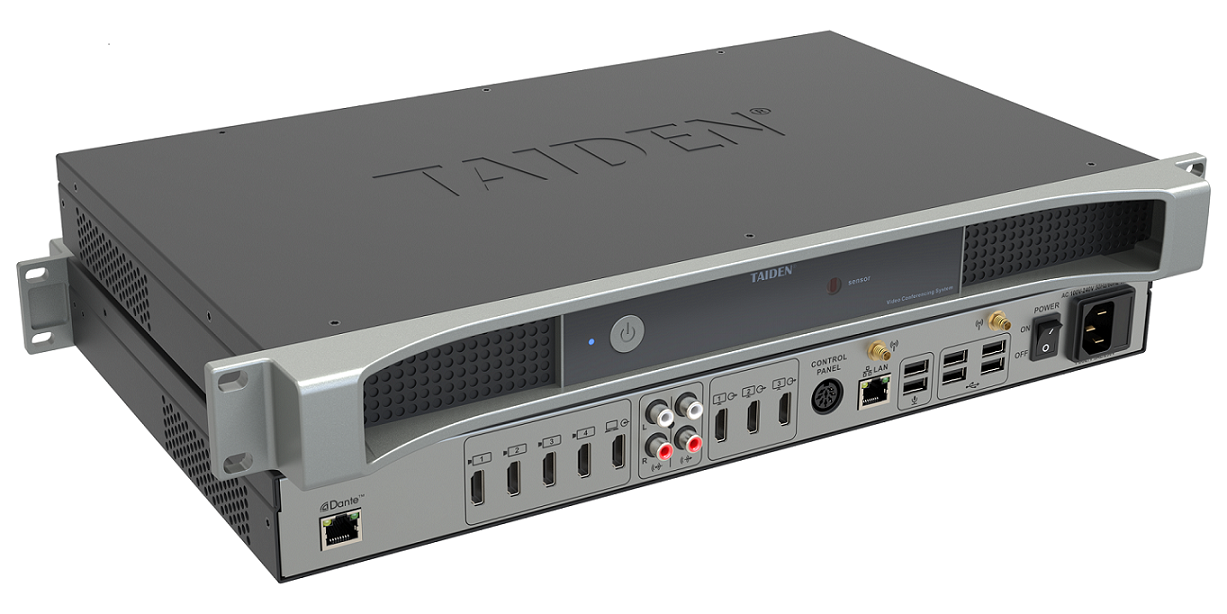
Future outlook? Expect auto-mixers that tag talkers, live loudness normalization, and smarter channel handoff. You’ll see SIP trunking tie rooms to remote booths with known jitter ceilings, while power converters and UPS plans cut hum and dropouts. And yet, people still matter—operators need one dashboard, not five. So, three quick metrics when you choose a path: 1) end-to-end latency budget under 250 ms from floor to interpreted return, measured live; 2) channel integrity with zero bleed at normal speech, verified across headsets and speakers; 3) resilience score that includes failover rules, QoS tags, and a clear recovery time objective. If a vendor (or your own kit) can’t show those numbers, keep walking—no hard feelings. For a steady hand and deeper specs across interpretation workflows, see TAIDEN.