A Clear Choice at a Big Moment
Here is the simple truth: couples want beauty, value, and clarity they can trust. Lab grown diamond engagement rings meet that need without the usual guesswork. Picture this scene: you sit at the table, compare two rings, and see a clear price gap for the same sparkle. Independent studies show that many buyers save 30–60% with lab-grown stones while keeping the same 4Cs standards. The physics backs it up, too. Whether HPHT or CVD, a lab diamond has the same refractive index and can show the same fluorescence as mined diamonds. So why do many people still feel unsure? Because the old system can feel opaque, fast, and a bit pushy—funny how that works, right? You want to know where the stone came from, how it was cut, and why it costs what it costs. You also want a ring that fits your life, not just a display case. That is the real shift: we now judge rings by performance, traceability, and how they match our story. The question is not only “Is it real?” but “Does it fit who we are?” (This is the heart of modern proposals.) Let us move from surface shine to deeper value and see how a better process makes a better promise.

The Hidden Costs of Tradition, and Why Custom Matters
Where do traditional rings fall short?
A custom engagement ring used to sound complex. It is not. The traditional model has pain points that add cost and friction you do not see at first. Store inventory limits shape and size. Settings may not match your hand or your daily routine. Pricing stacks up with markups and vague “collection” fees. And fit issues lead to later repairs. Look, it’s simpler than you think: when a ring is built around your exact stone and your exact lifestyle, waste drops. With modern CAD, the design can tune prong angles, under‑gallery height, and band balance to your comfort. Technical details like polish symmetry and girdle thickness matter because they affect light return and wear over time. With lab-grown options like CVD, dimensions are consistent, so the setting can be engineered with tighter tolerances from day one.
There is another layer. Traditional buying can feel rushed. You see a bright case. You get a quick pitch. But did you see how the cut aligns with your finger size? Did you learn how the basket supports the crown under daily stress? These are not small points. They decide how the ring ages. CAD previews and 3D prints show the form before casting. You can test proportions in real scale. That reduces resizing risk, stone tilt, and prong snagging later. In short, the old way hides the engineering. A custom path shows it. And when the structure is clear, the promise feels clear, too.

From Choice to Change: Designing What Comes Next
What’s Next
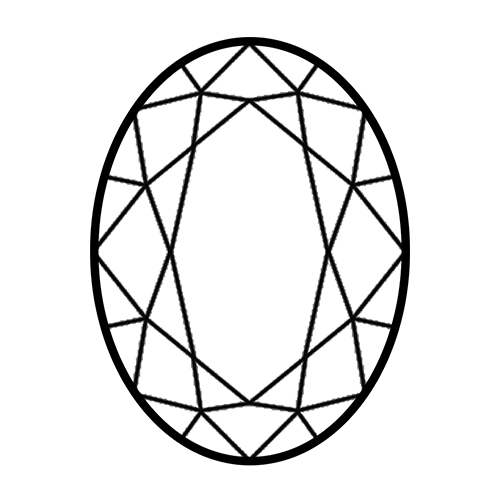
Now we look forward. The tools are here, and they change the math. Parametric CAD lets a designer lock in stone depth, pavilion angle, and seat contact, then auto-adjust the shank for balance. A 3D print proves the ergonomics on your hand before metal is poured. Laser inscription links the stone ID to a report. Raman spectrometry confirms the crystal type. The result is a ring designed like a small machine, yet it feels simple to wear—funny how that works, right? If you love soft, vintage light, consider cushion cut engagement rings. Their broad facets can show mellow fire at low angles, and a custom basket can lower snag risk while keeping airflow under the stone.
This is also where comparisons get real, not salesy. Lab-grown stones allow consistent carat tolerance, so prong seats can be machined with precision. That cuts micro-movement, which protects polish symmetry across years of wear. Compare that to the one-size-fits-all setting you often see in cases. The future adds better traceability, too. Simple ledgers can log cut specs, repairs, and care dates over time. Here is how to choose with confidence: first, measure cut performance in plain terms—brightness and contrast in normal room light. Second, check setting engineering—prong tension, metal hardness, and how the head clears pockets and gloves. Third, confirm documentation—grading alignment and laser inscription matching. Use these three checks, and you get a ring that is honest, durable, and yours. For informed design and clear details, you can explore with Vivre Brilliance.