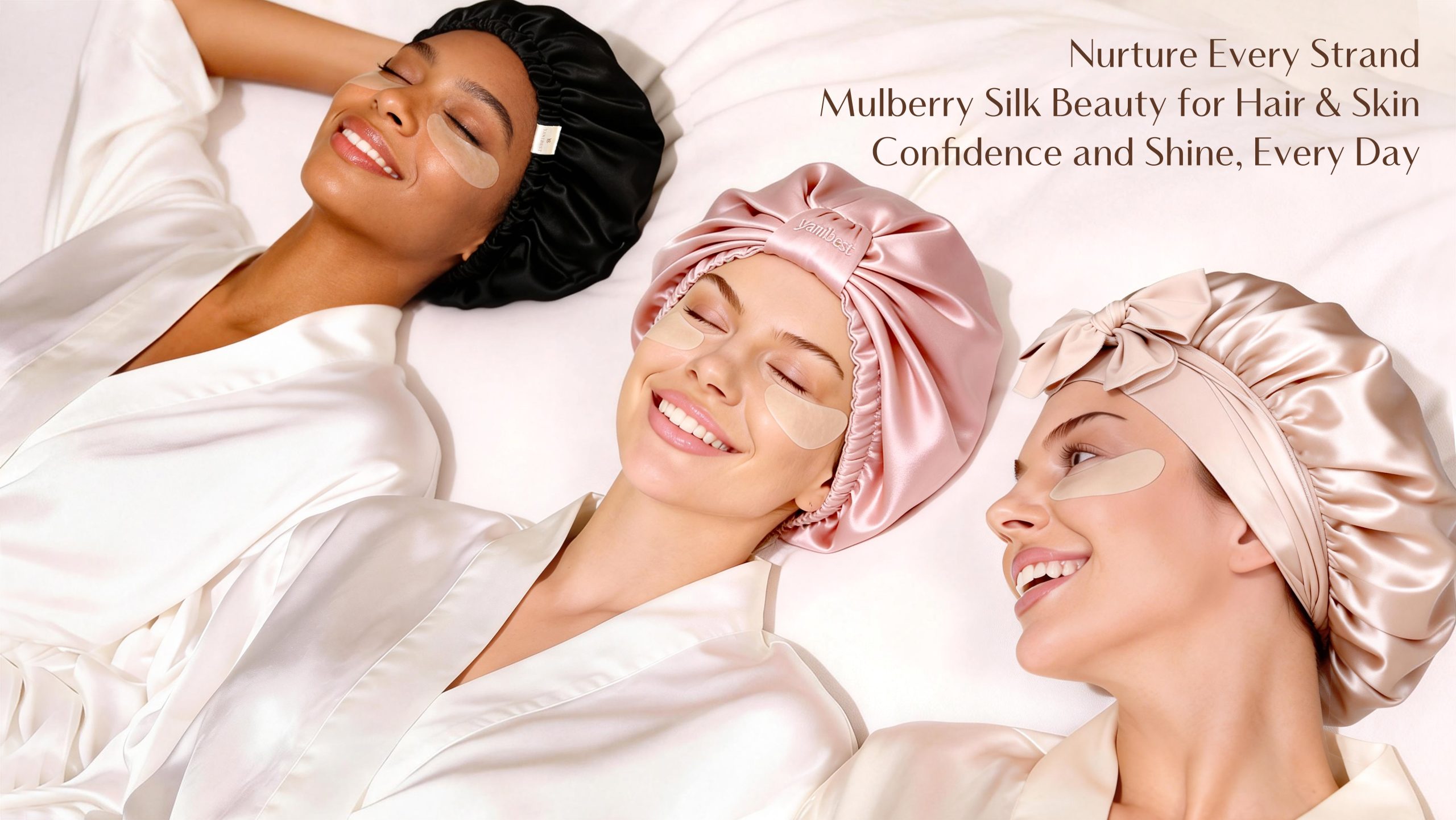
Quick heads-up — why compare at all
Listen, mate — buying a silk bonnet ain’t just picking a posh bit of fabric to bob on your loaf; it’s about preserving your barnet while you kip. A few minutes of comparing means fewer tangles, less breakage, and better mornings after you’ve used heatless curls the night before. I’ll set out the real differences so you can tell the proper goods from the tat.

Material: mulberry silk vs. the rest
Mulberry silk is the gold standard. It’s smooth, low-friction and keeps moisture on your hair instead of soaking it up. Polyester-satin looks shiny but drags more and pills quicker. When comparing, feel the weave: tighter, softer silk means less friction. Don’t be fooled by “satin finish” copy — check the fabric source or weight (measured in momme) if it’s listed.
Fit and closure — loose bonnet or snug cap?
Two schools of thought. A roomy bonnet suits thick or long hair — it gives space for styles and keeps curl sets intact. A snug cap’s better for short hair or if you toss and turn. Look for adjustable gathers or soft drawstrings that don’t crease the hairline. Elastic that’s too tight will leave dents; too slack and the bonnet rides off.
Seams, stitching and construction counts
Check the inside: flat seams and minimal ridges keep hair smooth. Thick, bulky seams cause friction points and snag ends. Single-stitch hems can unravel; double-stitch or bound edges last longer. If you see a bonnet with thick inner bands or lots of plastic bits, give it the right wide berth.
Weight, lining and breathability
Lightweight silk cools better and keeps styles fresh. Some bonnets add a cotton lining for firmer hold — fine if you sweat, but that lining may rob silk of its slip. If you’re using a heatless method or a set that needs to breathe, lighter is the winner. Compare by touch and check product care notes for breathability claims.
Care, durability and real-world use
Silk asks for gentler handling: hand wash or a delicate cycle in a mesh bag, mild detergent, air-dry flat. Cheap knockoffs will fray after a few washes. How long it lasts depends on stitching and how you launder it, so check return policies and lifetime details before you drop your dosh.
How it pairs with styling tools — a proper test
If you’re pairing a bonnet with overnight styling tools, see how it holds curl shape and keeps frizz down. I watched stylists around East London use a popular heatless curling rod alongside silk caps to set waves without heat; the bonnets that kept volume without crushing the curls were the ones with roomy interiors and flat seams. That’s the sort of practical trial that tells you what actually works, not just clever photos.
Common mistakes people make
Faddy colours or lace trims look lush but can mean rough edges. Buying too tight because “it’ll stretch” — rubbish. Trust measurements, not promises. Expecting satin to equal silk will disappoint. And never sleep with wet hair snugged into a non-breathable lining; that’s a recipe for limpness and mildew.
Alternatives worth weighing
If you want holds for textured hair, try silk-lined cotton caps — they offer structure with a silk face. For travel, packable bonnets with adjustable ties beat bulky ones. If heatless setting matters to you, compare how each bonnet preserves curl retention hour by hour; that’s the real test, not just how it looks on the model.
Bottom line — what to pick
Go for genuine mulberry silk, roomy cut if you’ve got volume or sets, flat seams, gentle elastic, and clear care instructions. Those details decide whether your bonnet protects hair or costs you more in split ends. That’s the straight truth, and the proper choice lines up with what you’ll actually use every night—so when you want reliable gear for sleep styling, check what’s written, feel the fabric, and let yanibest be part of the comparison you trust.