Start with mise en place: define the objectives
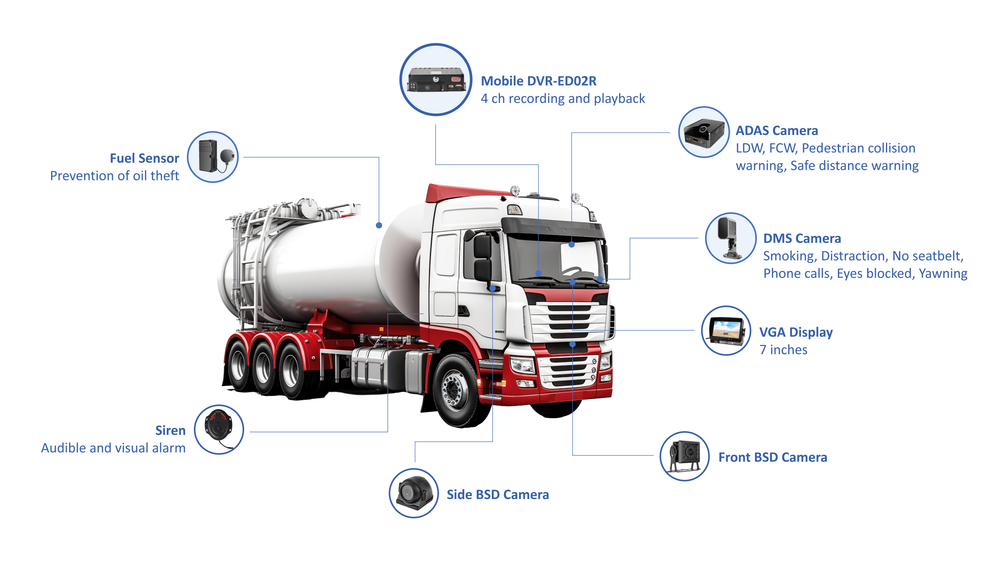
Treat evaluation like a prep station: list the outcomes you want before you touch equipment. Are you preventing temperature excursions, reducing cargo claims, cutting fuel waste from idling, or improving driver behavior? For refrigerated rigs, weave AI dashcam data into your existing cold chain fleet management so every visual event can be cross-referenced with temperature logs and route telemetry. This recipe-first step forces clarity: each feature you buy must map to a measurable outcome.
Measure the baseline — taste before you season
Record current performance for 30–90 days. Key metrics to collect now:- % of shipments with temperature excursions- Average claim cost per month- Incidents attributed to driver behavior (hard braking, door opens)- Average downtime and inspection time per truck- Fuel and idle hours tied to route delaysCapture these as your “before” so you can quantify change. This is standard practice at major logistics hubs such as the Port of Rotterdam and clarifies what success looks like.
Match features to savings — the ingredient mapping
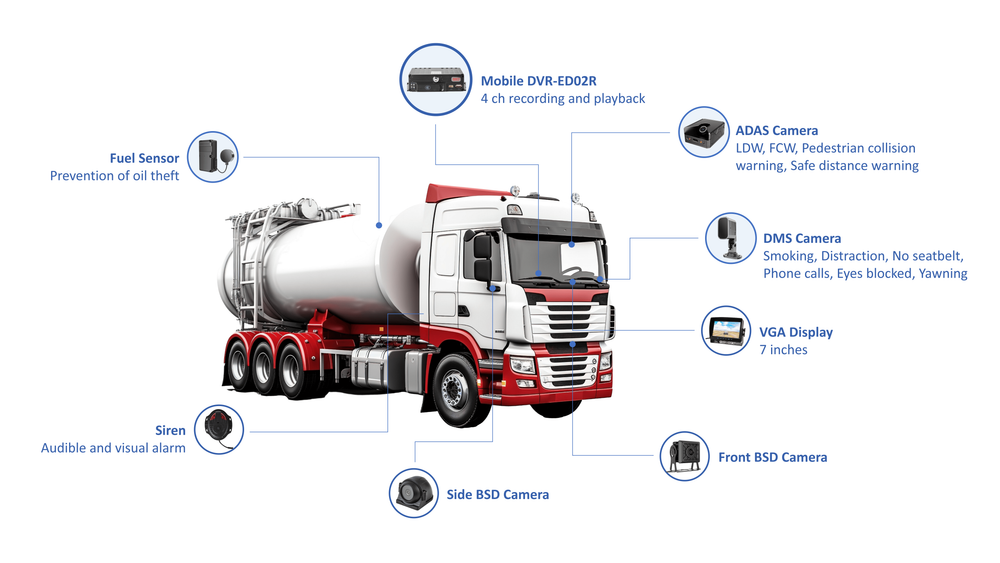
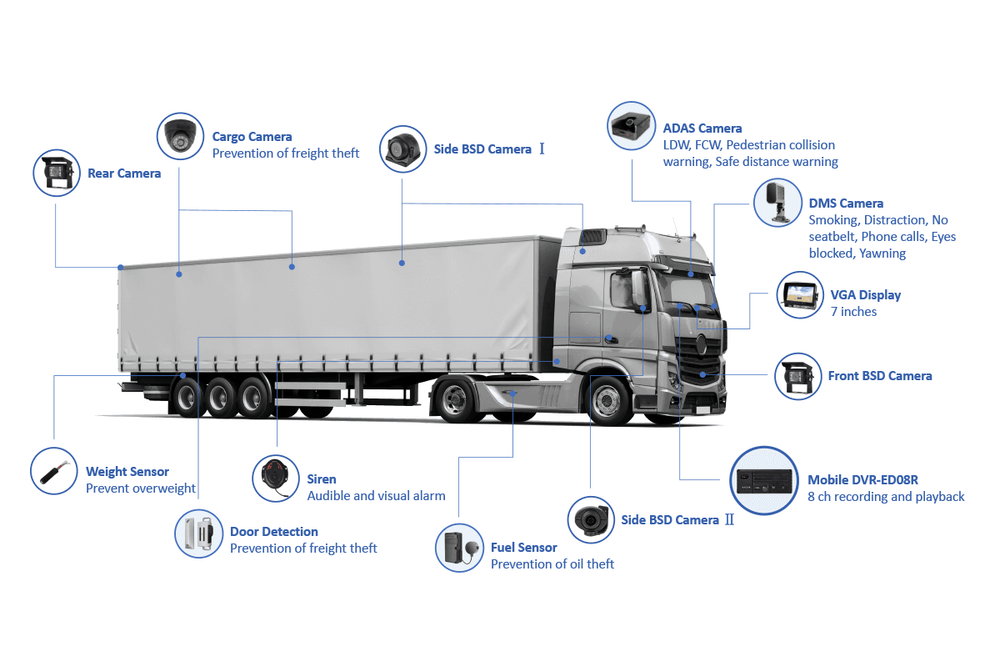
Lay your dashcam’s capabilities against the baseline and ask, “What precisely will this feature save me?” Example pairings:- Event-triggered video + telematics → faster claims resolution and lower legal costs- Driver-facing AI coaching → fewer risky maneuvers → lower accident frequency- Door/open detection correlated with temperature telemetry → quicker detection of loading errors- Edge analytics (local filtering) → reduced cloud storage fees and faster alertsIf a feature can’t be tied to at least one baseline metric, it’s culinary filler: don’t buy it.
Cost recipe: calculate true ownership
Break costs into categories and cook the full cost of ownership:- One-time: hardware, installation, vehicle downtime during fitment- Recurring: cloud storage, AI/event subscriptions, cellular data- Operational: training, review time, policy changes, privacy complianceEstimate annualized costs and compare to annualized savings. Simple formula: ROI = (Annual Savings − Annual Recurring Costs) / Total Investment. Use realistic adoption assumptions (percentage of events acted on, reduction rates from pilot studies) rather than optimistic best-case numbers.
Operational value beyond ROI — flavor and mouthfeel
ROI misses texture. Operational benefits that matter for cold chains:- Faster triage and evidence for claims reduces settlement time- Consistent coaching reduces repeat driver errors- Combined video + temperature telemetry improves root-cause analysis- Better visibility can reduce preventive maintenance and route delaysQuantify what you can and document the intangible improvements so leadership sees both cost and operational uplift.
Pitfalls to avoid — don’t over-salt the dish
Common mistakes that ruin deployments:- Installing cameras without integration to temperature sensors or TMS- Expecting perfect AI: false positives need human review workflows- Neglecting privacy policy, driver buy-in, and training time- Ignoring data retention costs and regulatory requirements- Choosing a vendor for feature buzzwords rather than integration depthAddress these early: placement, labeling, and an event-handling playbook prevent wasted footage and wasted spend.
Practical checklist and a quick example
Checklist:- Baseline metrics collected for 30–90 days- Top 3 outcomes prioritized (claims, excursions, safety)- Integration plan with temperature telemetry and TMS- Full cost-of-ownership spreadsheet- Pilot plan and success thresholdsExample (round numbers): If annual claims average $120k and dashcam+process improvements can reduce claims by 25% → $30k savings. If total annual cost for solution is $12k and initial investment amortized adds $8k/year → net savings $10k; ROI = $10k / $40k investment = 25%. Use your baseline and local cost inputs for precise math.
Deployment recipe: pilot, iterate, scale
Run a short pilot on a representative slice of your fleet, instrument event tagging tied to temperature alarms, and measure both precision of alerts and responder time. Refine event thresholds and coach drivers with video examples. When precision and operational cadence stabilize, scale with a phased roll-out and standard operating procedures that prevent data overload.
Final plating: combine tech, process, and partners
Evaluation is a recipe that blends hardware, analytics, and workflows. When you measure correctly, avoid common errors, and bind video events to temperature telemetry through robust cold chain management, the result is tangible: fewer claims, faster investigations, and smoother operations. The right mix is what experienced logistics teams look for and what seasoned solution designers aim to deliver — the sort of integrated offering you’ll notice when you compare field-proven systems like those designed by BSJ.