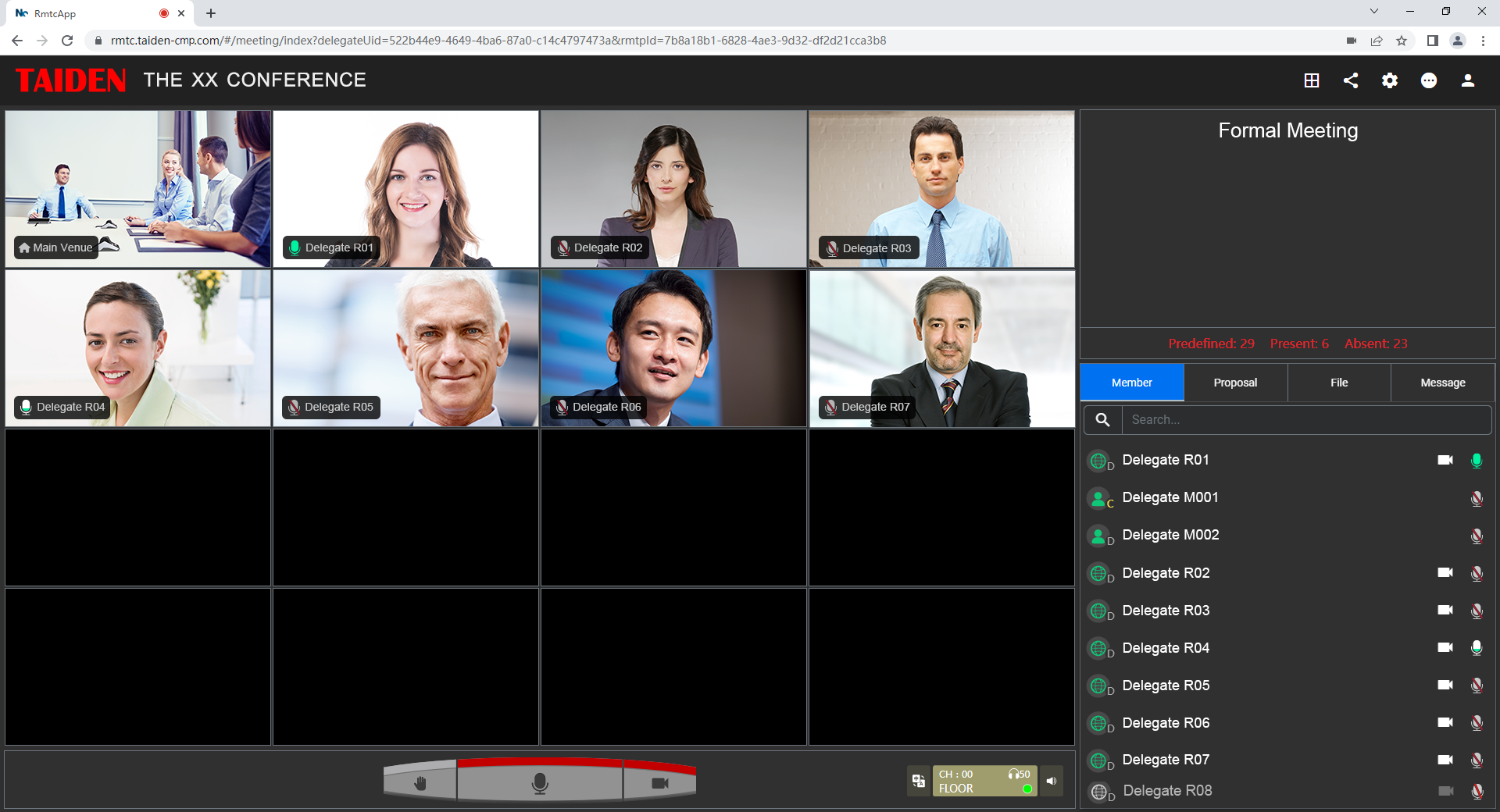
Introduction: A Meeting That Almost Worked
Picture a quarterly review split across two cities and ten home offices. The room looks ready, yet the audio dips every time someone shares a chart. Hybrid meeting room solutions sit at the center of that fragile moment—when people decide whether to lean in or tune out. Last quarter, your teams ran most sessions in mixed mode, with mobile, room, and boardroom endpoints in play. Still, the data tells a quieter story: small glitches create big rework, missed cues, and lost minutes (and trust). So, how do we design rooms that hold attention and elevate decisions, not distractions?
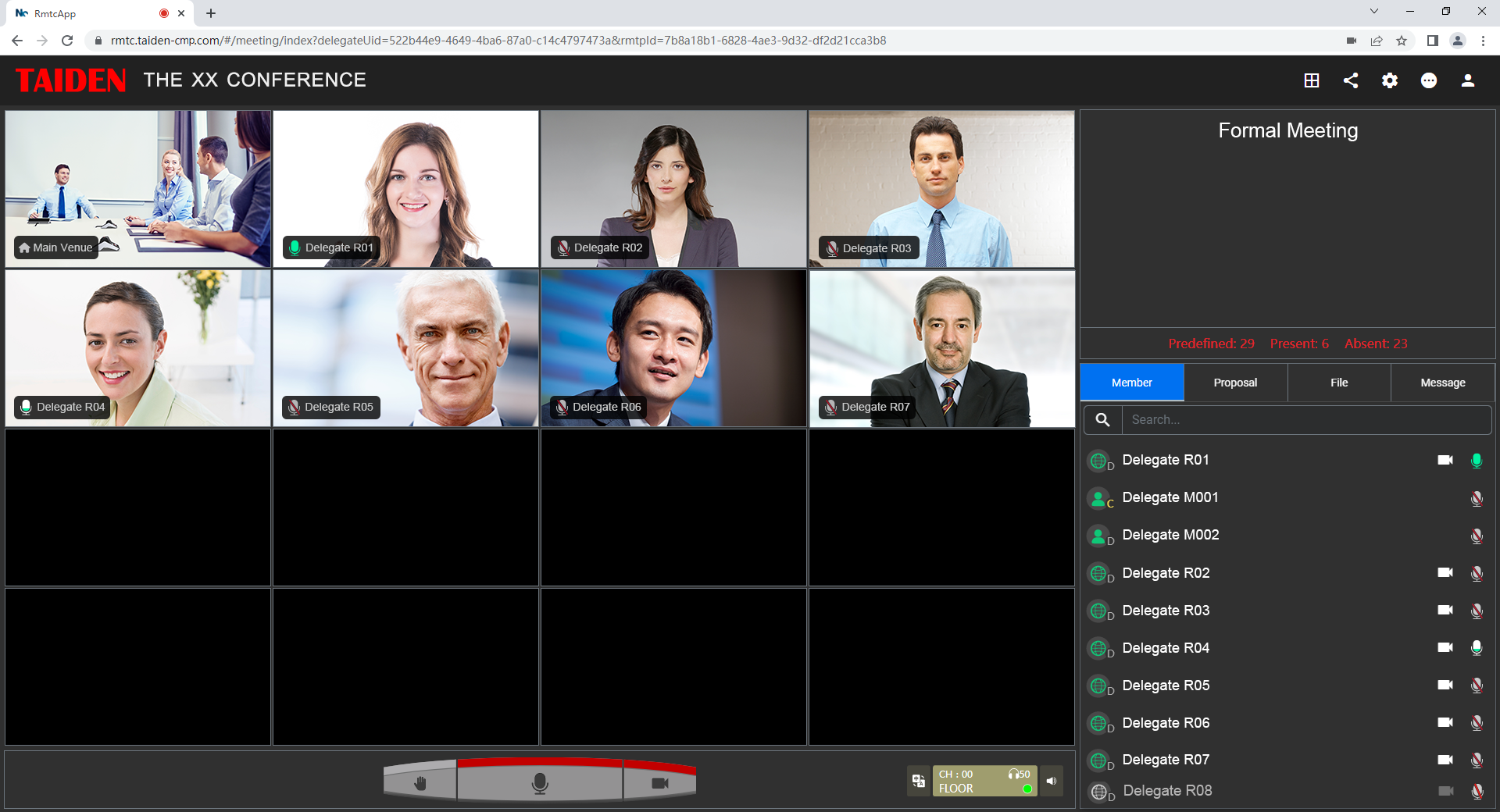
Here’s the simple question that guides the rest: Which choices in the room actually change outcomes—and which only look good on paper? Let’s move there now.
Where Legacy Setups Fall Short
What breaks first?
Many teams lean on a patchwork of legacy parts instead of true hybrid meeting technology. It works—until it doesn’t. Analog mixers fight with USB hubs. Beamforming microphones get choked by a noisy HVAC line. The DSP pipeline can’t keep a steady latency budget when someone flips to screen share. Then echo cancellation loses the thread. Look, it’s simpler than you think: the problem is not one device; it’s the chain. Every weak link adds drift. Every conversion (HDMI to USB to IP) risks sync, while unmanaged PoE switches starve endpoints when traffic spikes.
Classic rooms also miss the invisible needs of remote people. Camera framing lags. Table mics pick up paper shuffles, not voices. A single codec profile can’t cover soft speech, accents, or side talk. And no QoS policies mean the call competes with a big file sync—funny how that works, right? Even power converters introduce hum that a rushed filter can’t hide. Users then hack around it: they mute, repeat, or give up. That is the true cost. It’s not hardware—it’s confidence, time, and signal integrity.
From Patchwork to Purpose-Built: Comparative Principles That Stick
What’s Next
Moving from piecemeal gear to purpose-built systems changes the baseline. The new model shifts processing closer to the room, with edge computing nodes handling echo suppression, noise gating, and auto-mixing before packets hit the WAN. Compare that to legacy chains where every hop adds jitter. Modern rooms treat audio, video, and control as a single fabric—one that maps talkers with beamforming arrays, tracks speakers with multi-sensor framing, and reserves bandwidth with smart QoS policies. The result is not magic; it’s engineering discipline. Short paths. Clean clocks. Predictable latency.
Control also gets smarter. A unified conference controller can orchestrate presets, prioritize speakers, and tune DSP profiles by agenda. Think “stand-up,” “design review,” or “board session,” each with its own acoustic and visual logic. When a presenter shares content, the system reshapes gain structure and camera logic in one move—no hunting for sliders. Compare that with manual workflows where someone rides faders while also trying to talk. The principle here is simple: automate context, not just devices. And when you pair this with robust PoE power and integrated codecs, you cut failure points and keep the room calm.
Real deployments prove the arc. A midsize firm replaced scattered USB gear with networked endpoints, set a 120 ms end-to-end latency ceiling, and put the room DSP on the LAN. They also established SIP trunking for dial-outs, so PSTN guests no longer sounded like they were underwater. The changes were small, but the effect was clear—meeting starts went from four minutes to one. People stopped apologizing for their sound. That is the promise: less fuss, more signal.
So, what should you measure when you choose your next stack (beyond price)? Three metrics will keep you honest:
1) Signal reliability: Track end-to-end latency and packet loss under load; confirm echo cancellation performance at varied talk levels. If it slips during screen share, it’s not ready.
2) Room awareness: Verify automatic camera framing accuracy, mic lobe steering, and the system’s ability to prioritize active speakers without clipping cross-talk.
3) Operational simplicity: Count live steps to start, share, and hand off control. The ideal workflow is two taps or less, with presets bound to role or agenda. If training takes hours, the design is wrong—plain and simple.
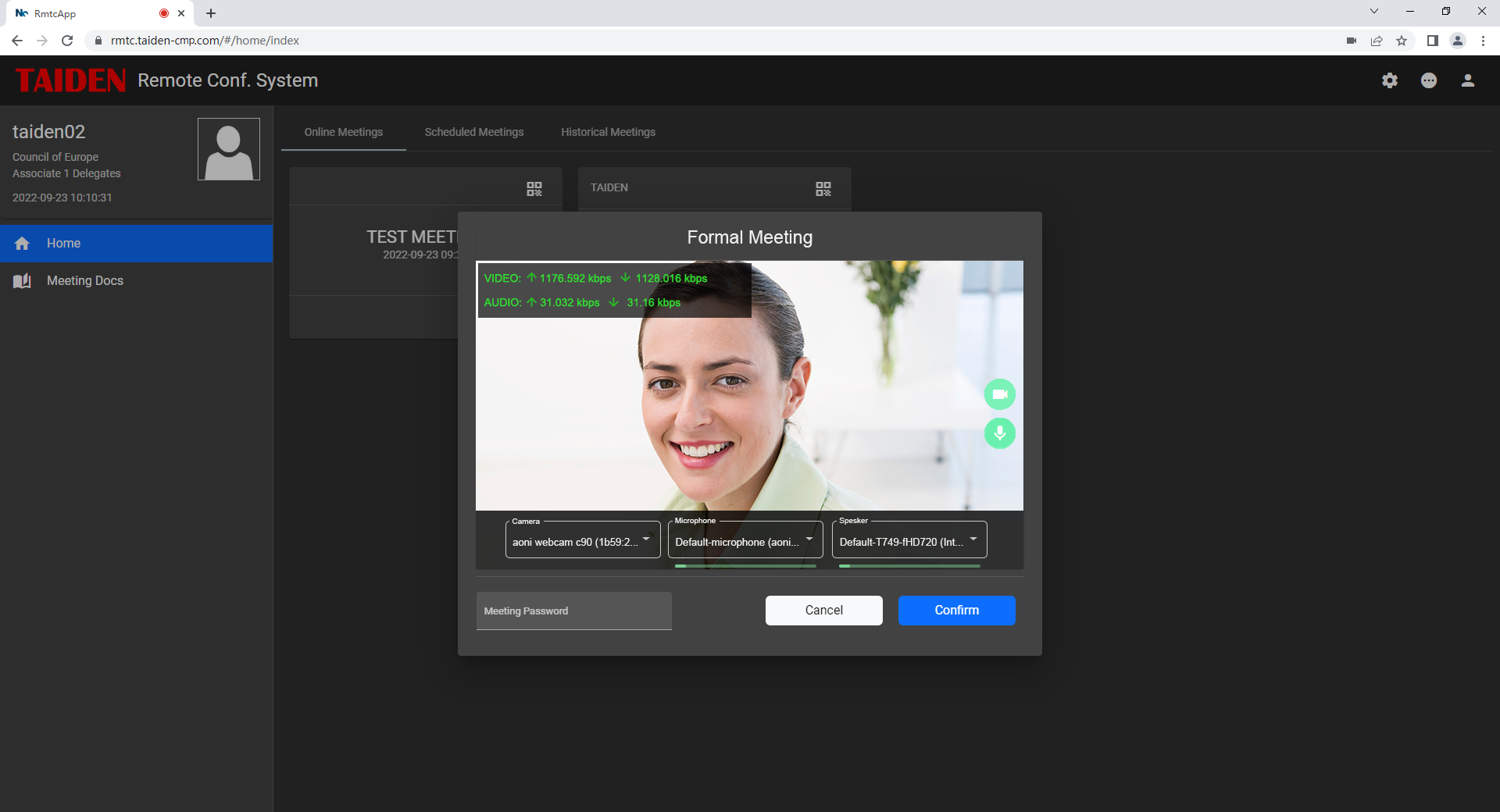
In short, we move from gadgets to guarantees. Fewer conversions, tighter clocks, smarter control, and policies that protect speech over everything else. That is how smart room choices affect outcomes: by making clarity routine and effort rare. And if you want a benchmark for integrated, room-first design without the hype, keep an eye on TAIDEN.