What usually goes wrong first
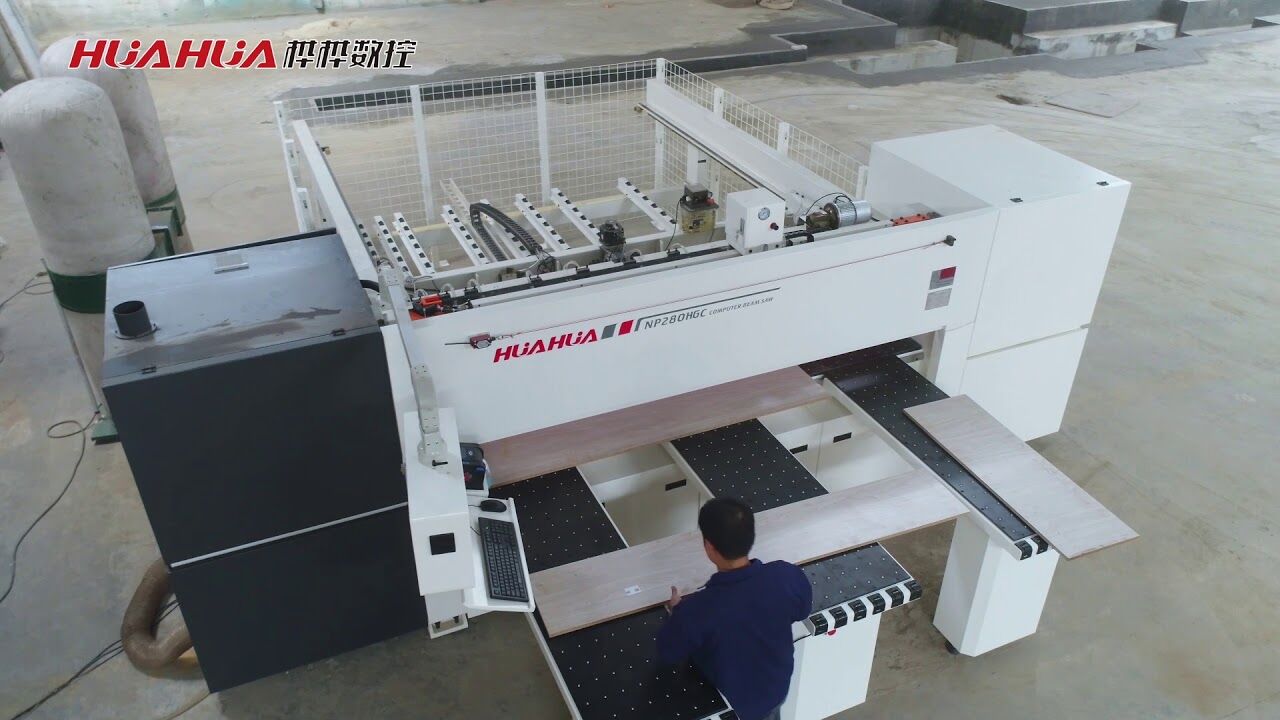
Small shops and midsize manufacturers often hit the same wall: panel handling that takes longer than it should, edges that need trimming twice, and setup times that swallow whole shifts. When panel throughput stalls, deadlines slip. A consistent fix is coordinated tooling — for example, matching a reliable cnc panel saw with an edge bander that actually keeps pace. That pairing alone can cut manual rework and reduce operator fatigue.

Why those bottlenecks happen
Problems come from three avoidable sources: mismatched cycle times between machines, unclear material specs, and inconsistent adhesive or edge roll quality. Operators then do ad-hoc fixes: slow feed rates, extra trimming passes, or hand-sanding. Those stopgap moves hide the real cost — lost capacity and variable quality — which shows up in scrap rates and customer complaints rather than payroll sheets.
Practical changes an edge bander supplier should bring — with real proof
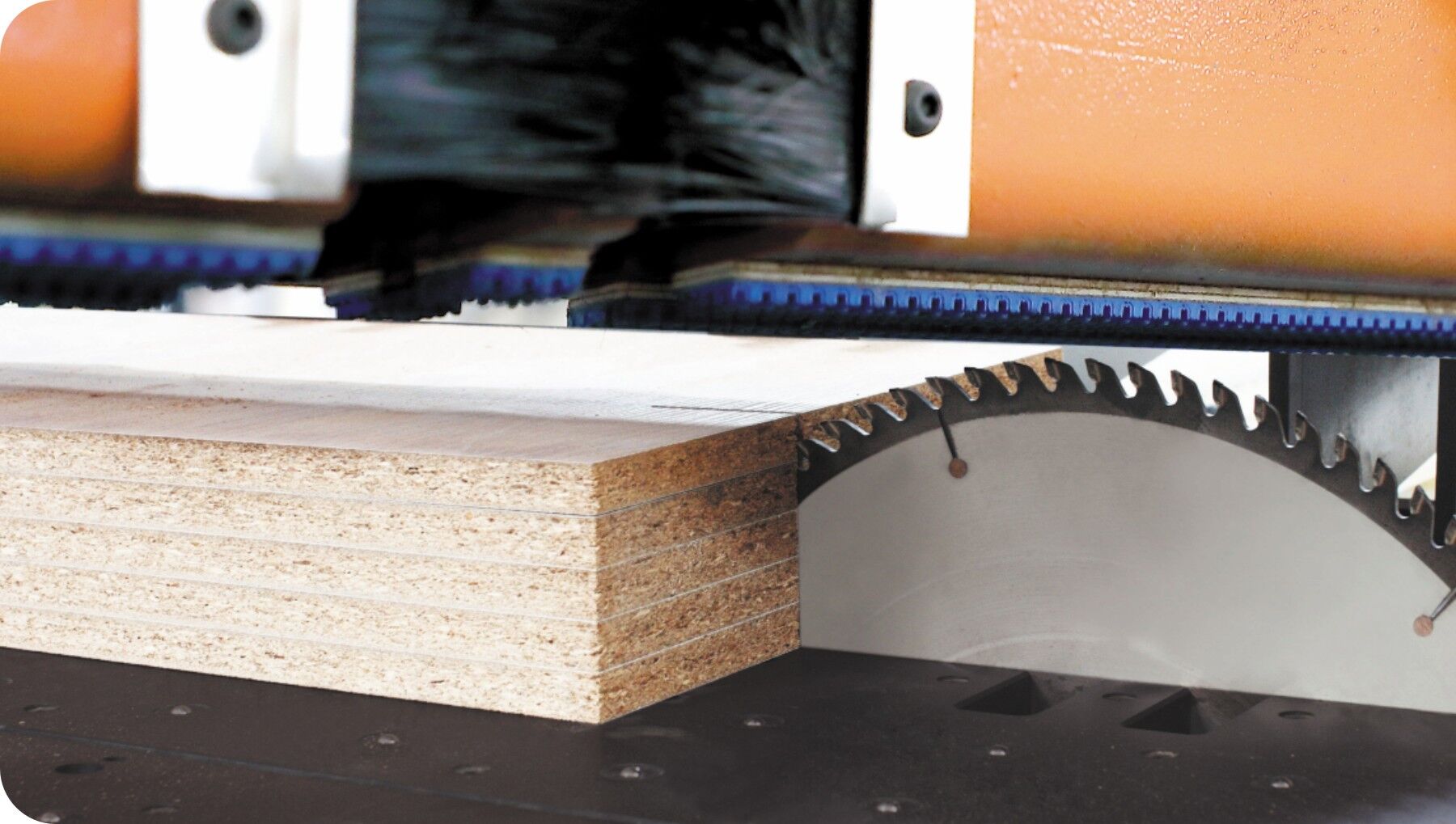
Suppliers who focus on the problem return value fast. First, they adjust glue application and cooling timing to match your feed speed. Second, they recommend tooling and roll stock that reduce trimming. Third, they help set standard operating procedures so operators repeat good cycles instead of inventing workarounds. I’ve spent years helping cabinet shops and light-industrial wood shops tune production; at a cabinet factory just outside Chicago I watched a cnc beam saw machine cut parts to exact sizes while an adjusted edgebander applied tape without scorching or drumming — that coordinated workflow reduced trimming by nearly half on a typical run. Those are hands-on fixes you can replicate without exotic sensors or extra hires.
Alternatives, common mistakes, and what to avoid
Dropping money on the fanciest automatic edgebander won’t solve mismatched throughput. Common mistakes: swapping machinery without checking cycle compatibility, buying low-cost trim tooling that dulls fast, and skipping operator training after installation. Viable alternatives include upgrading feed conveyors to smooth part transfer or standardizing panel thicknesses so machines run predictably. Any choice should be judged by whether it shortens time between cut and finished edge, not by a spec sheet alone.
Simple steps to test whether a supplier will actually help
1) Ask for a short line audit: the supplier should observe a production run, not just look at spec sheets. 2) Request test cuts using your materials so you see cycle match and edge finish. 3) Get a recommended parts list and a training plan for your operators. 4) Insist on measurable goals: reduce trimming minutes per panel, lower rework percentage, or cut adhesive waste. If a supplier hesitates on these, they’re selling equipment, not solutions.
Where that leads your shop
Fix the mismatch between saw and edgebander, train operators on consistent setups, and pick tooling that lasts. Do that and your line runs smoother, shift after shift. Expect fewer surprises, less waste, and faster turnaround. For shops that want a predictable solution rather than a flashy upgrade, HUAHUA CNC fits naturally into that approach by aligning equipment, training, and parts so your production moves cleanly from cut to finished edge.