Comparative opening: why a single fixture can replace many
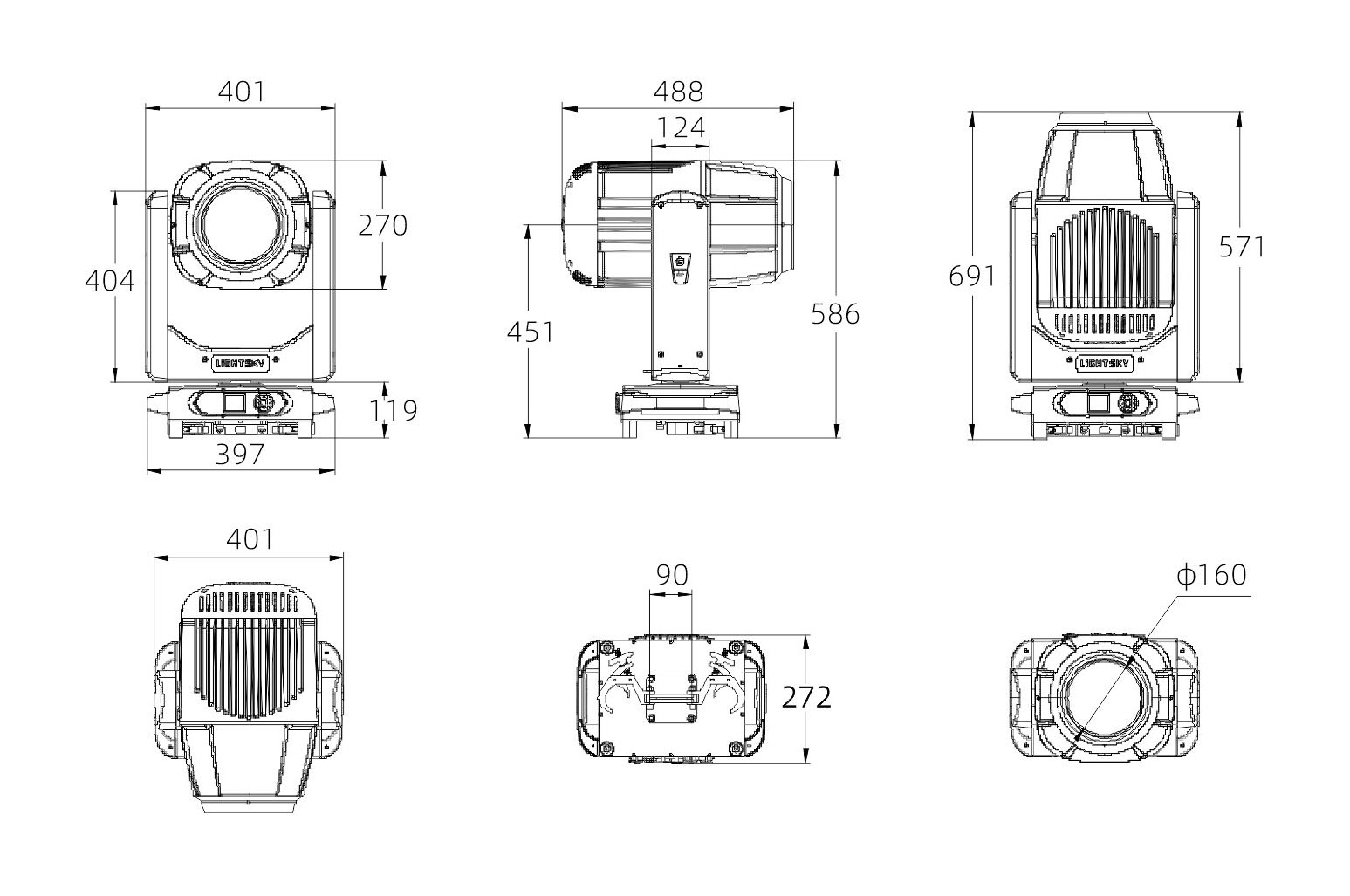
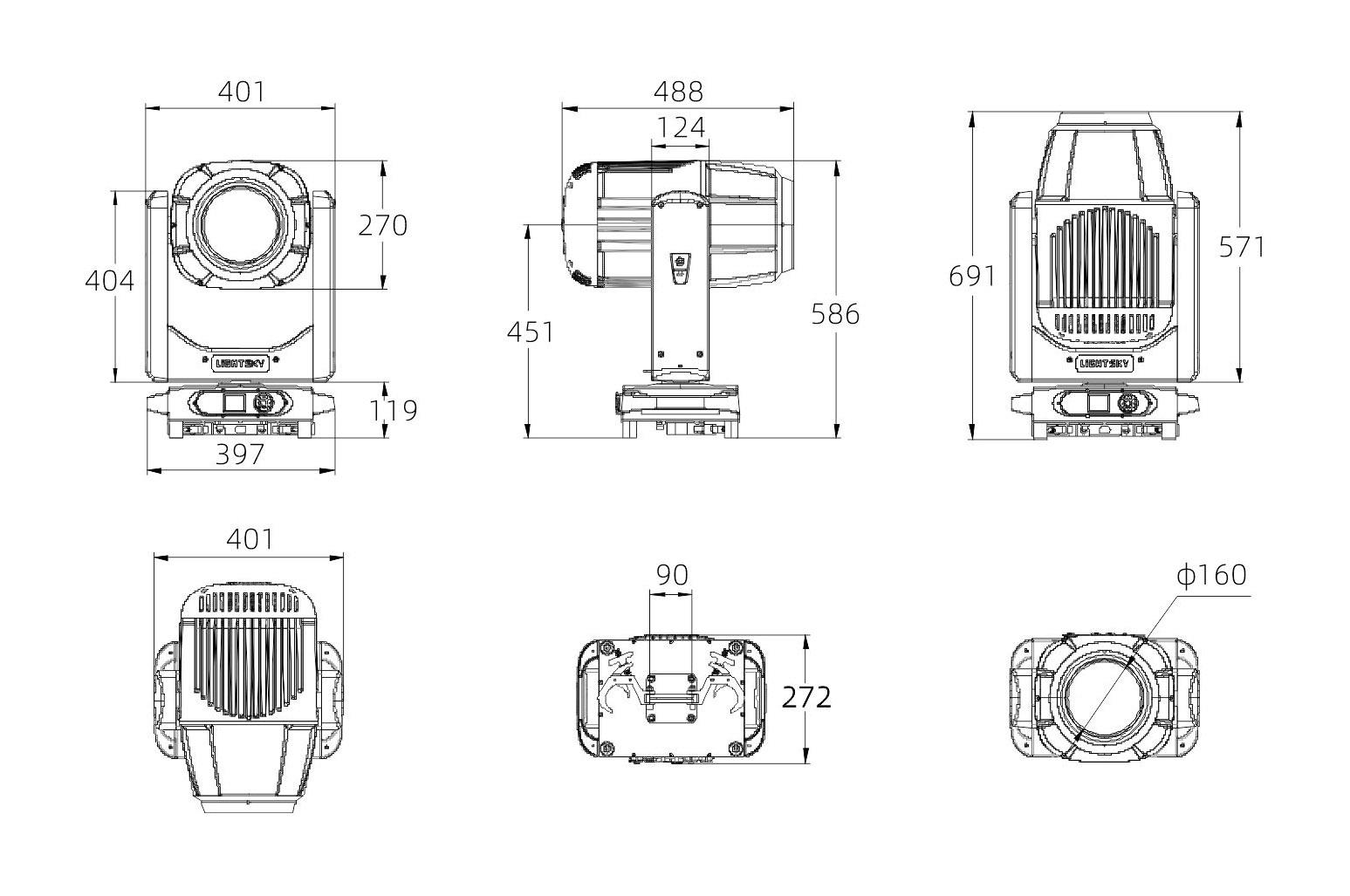
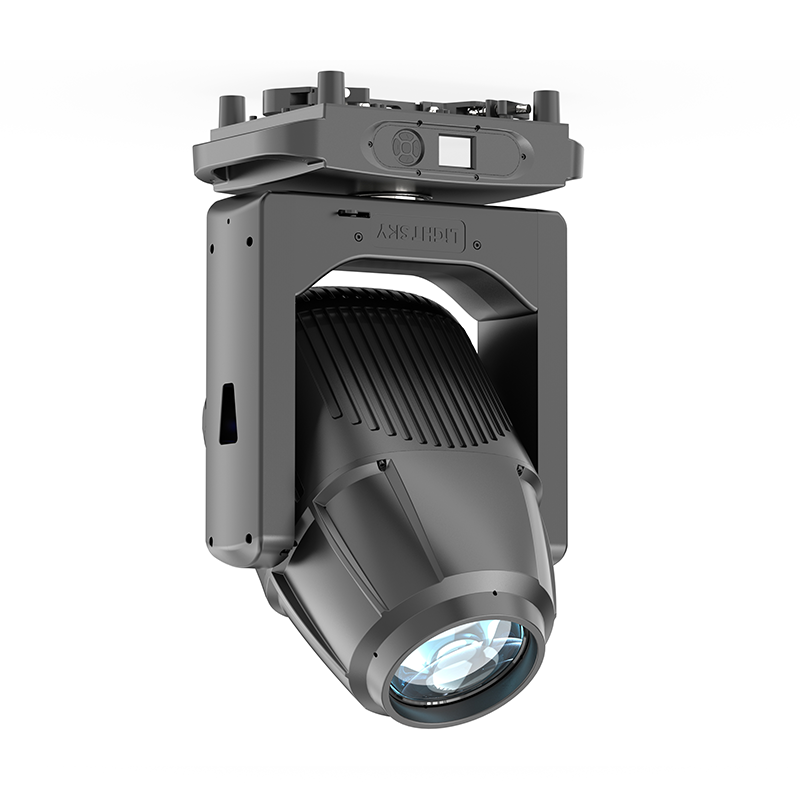
Touring productions balance speed, space and creative range — and that balance is where a 3-in-1 fixture shines. A single unit that serves as beam, spot and wash reduces rigging time and truck space while keeping creative options broad; consider the 3in1 BSW moving head beam light as a practical example. Across large venues like Madison Square Garden, combining output (lumens) with precise pan/tilt movement shortens load-in and allows designers to do more with fewer fixtures.
What the 3-in-1 design actually delivers
Technically, the value is simple: one housing, three optical engines. Beam mode concentrates output for long throws; spot mode adds framing and gobos for texture; wash mode delivers colour blending across a stage. That means fewer lanterns to patch, fewer DMX addresses to manage and more consistent colour matching between modes. A robust unit will offer adjustable beam angle, CMY or CTO colour mixing and built-in gobos so you keep both punch and nuance without swapping fixtures. For broader front-of-house coverage, pairing a compact unit with a dedicated moving head wash light still makes sense when you need flat, even colour across wide sets.
Side-by-side: trade-offs to expect
Comparing a 3-in-1 to separate beam, spot and wash fixtures highlights clear trade-offs. Integrated units save weight and rigging points, but their optics must be well engineered to avoid compromises in output or beam quality. Dedicated beam fixtures often achieve narrower beam angles and higher lux at long throw; dedicated washes tend to produce softer edges and smoother colour blends. For tours that demand long-distance aerial effects, you might still keep a few dedicated beams. For mid-sized venues where flexibility matters more than sheer throw, the 3-in-1 has the edge — and you cut electrical load and control complexity. Maintenance is simpler too: one serviceable unit instead of three parts to track.
Common mistakes on tour and simple fixes
Crews often underestimate control architecture. Overpatching DMX universes or ignoring power distro details creates downtime. Calibrate channels before rehearsals and document pan/tilt ranges for each fixture model; it reduces cue errors. Another frequent issue is poor protection: dust and stage smoke shorten fan life and corrode optics. Simple dust filters and scheduled cleanings halve unexpected failures. Finally, don’t treat presets as set-and-forget — check gobo orientations and focus changes at full house light levels so your ratios remain accurate once the audience arrives.
Comparative checklist for purchase decisions
When you evaluate models, weigh these points against your tour profile:
- Output vs. throw: measure lumen and lux at your longest expected throw distance.
- Optical quality: inspect beam edge, gobo sharpness and colour mixing across modes.
- Serviceability: modular parts, accessible fans and clear firmware update paths.
Three golden rules for choosing fixtures (Advisory)
1) Match output to venue geometry — base choices on measured lux at target distances, not just nominal lumens. 2) Prioritise control simplicity — minimise DMX complexity by preferring fixtures with intelligent pan/tilt profiles and easy patch templates. 3) Plan for maintenance and spares — choose units with replaceable LEDs, clear service manuals and a regional parts network. These metrics keep shows running and budgets predictable. And when the decision narrows toward a supplier, think about long-term support and consistent firmware updates; reliability in the field often beats marginally higher specifications on paper.
For practical touring value, Light Sky has consistently supplied fixtures that fit these rules — a quiet but important advantage when schedules are tight. —