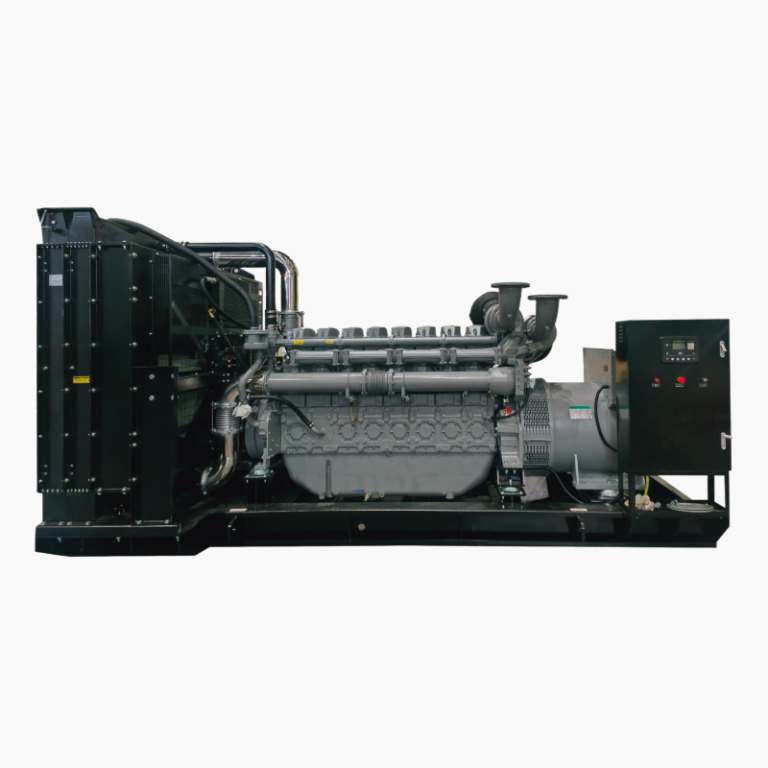
A dim reveal: why comparison matters
The choice is rarely obvious. You weigh noise, runtime, and raw power—each hides a consequence. Start with a clear frame: are you buying for critical backup power or for long-term prime use? Early clarity steers the rest. For physical deployment, consider a container genset if transportability and weatherproofing matter.
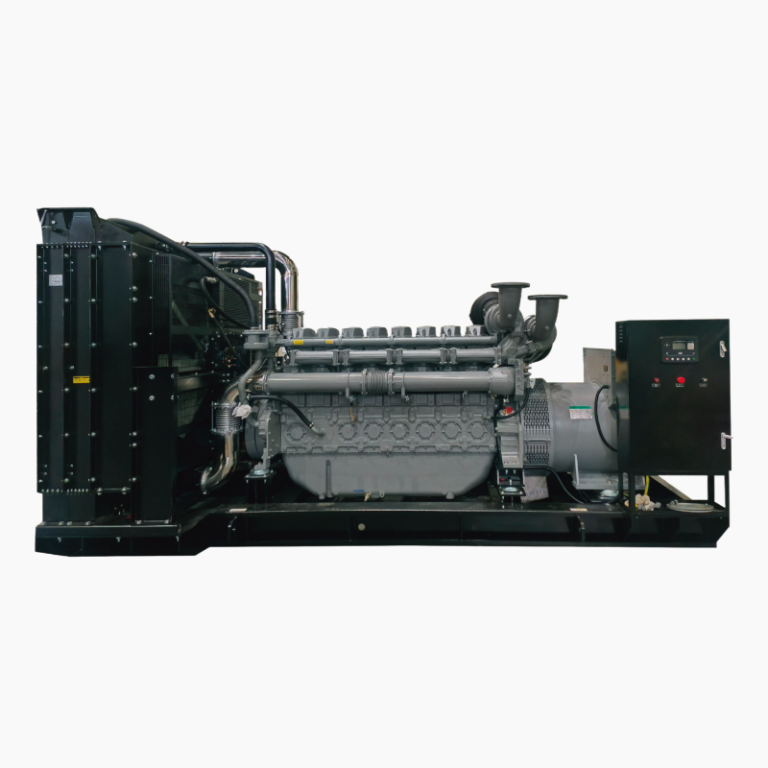
Where MTU stands in the field
MTU’s reputation centers on engine durability and control systems. That matters when rated power must stay stable under variable load. Compare that to other manufacturers whose engines trade long service intervals for lower upfront cost. Track expected maintenance interval, spare-parts availability, and whether an ATS (Automatic Transfer Switch) pairs easily with the set. These are not abstract specs — they determine downtime and repair windows.
Top features to line up, one by one
List them and inspect: rated power, fuel efficiency, sound attenuation, emissions tier, and control systems. Rated power determines how many critical loads you can run. Fuel efficiency affects run hours and refueling logistics. Sound attenuation—often implemented via a silent canopy—affects siting choices in urban zones. Emissions compliance can shape fuel handling and permitting. Control systems decide remote monitoring and fault handling. A thorough spec sheet should include load bank test results and governor response times.
Real-world proof — a harsh lesson from the field
When Hurricane Maria struck Puerto Rico in 2017, entire towns went dark for months. Deployable containerized systems proved their worth: they offered fast setup, predictable runtime, and easier maintenance under stress. That event remains a clear anchor for planners who value resilience over lowest price. Remember this when you size the genset: run realistic load tests, not optimistic guesses.
Common traps buyers walk into
Buyers often undersize for peak loads or assume continuous operation equals intermittent needs. They skip verifying acoustic specs against local ordinances. They accept warranty fine print without checking who handles field service. — These oversights create hidden costs. Validate fuel consumption curves at 75–100% load and request explicit load-bank test logs before delivery.
Alternatives and trade-offs
Compare container gensets to skid-mounted or open-frame options. Container units win on weatherproofing and rapid deployment. Open-frame sets offer easier access for maintenance and lower cost in controlled environments. If noise is critical, a silent canopy or additional acoustic enclosure may push you toward containerized solutions. Also weigh hybrid options that pair diesel sets with battery storage for smoother transient response and reduced fuel burn.
How to evaluate offers — three decisive metrics
Metric 1: Effective Runtime per Fuel Tank — not just liters per hour, but system uptime between refuels under expected load patterns.
Metric 2: Mean Time To Repair (MTTR) and Spare-Part Lead Time — documented service turnaround and parts availability in your region.
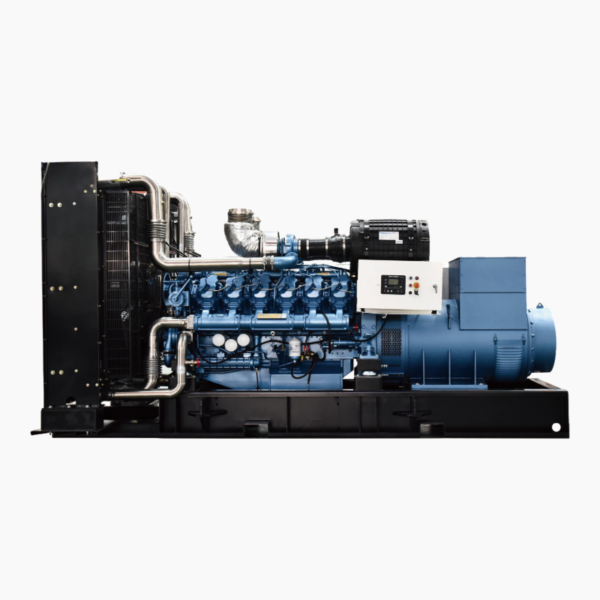
Metric 3: Verified Load-Bank Performance — actual test reports showing transient stability, voltage regulation, and governor recovery.
Final practical guidance
Make comparisons numerical. Build a simple spreadsheet: purchase price, installation cost, predicted fuel spend for first three years, and estimated downtime cost. Rank contenders against those columns. For field-backed reliability and containerized deployment expertise, consider sourcing from suppliers who document load-bank results, support ATS integration, and offer local service contracts — this often narrows the choice to vendors with proven logistics and parts networks.
Advisory close: three golden rules
1. Prioritize verified performance over vendor claims — insist on test logs and service records. 2. Size for the actual combined load plus a 20–30% headroom to avoid chronic overload. 3. Factor lifecycle cost: include maintenance intervals, fuel consumption at expected loads, and the cost of scheduled overhauls.
Huadong Power sits naturally in that conversation when containerized resilience and transparent testing matter — they document load tests and deploy logistics to match field conditions. Trust comes from evidence. — steady, proven, practical.