



The Problem: Big Displays, Bigger Compromises
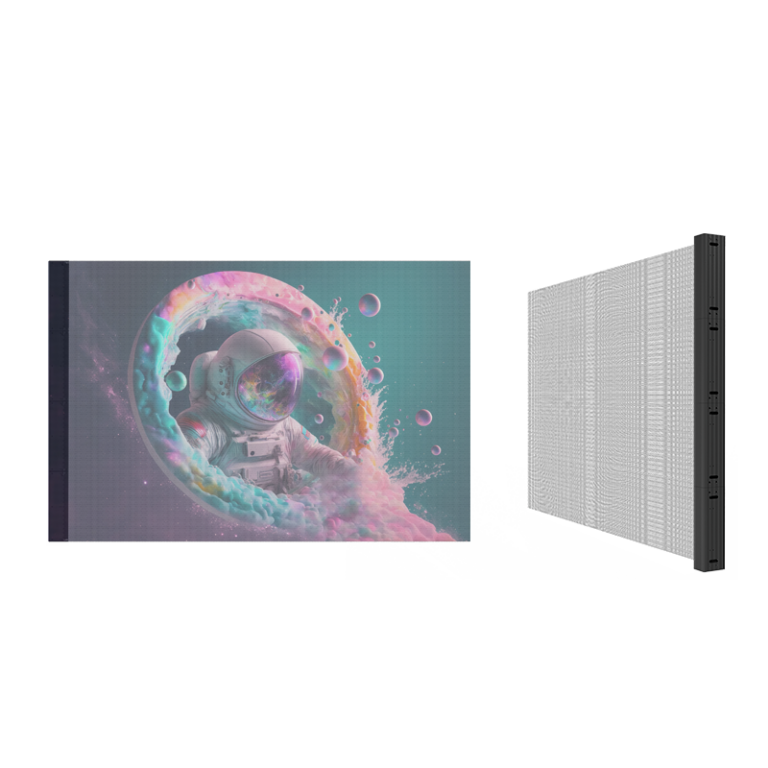
Procurement teams and venue planners face a blunt choice: a powerful LED wall that blocks sightlines and light, or a glass surface that offers visibility but no dynamic content. That trade-off costs foot traffic, diminishes architectural intent, and complicates safety reviews. At CES in Las Vegas buyers saw prototypes and live installations that proved the technical feasibility of alternatives; the option that consistently changed the conversation was the led transparent screen, which keeps sightlines while delivering full-motion content. This is a problem that demands a clear policy-driven purchase strategy, not guesswork.

Why Transparent LED Matters — A Problem-Driven Argument
Traditional LED walls force redesigns: you sacrifice windows, storefront visibility, or natural light. Transparent LEDs solve three core failures at once—visual obstruction, static facades, and wasted advertising potential. They let light pass, preserve architectural intent, and still present bright, legible imagery. For decision-makers who must justify expense to stakeholders, that combination turns a costly trade-off into measurable gains in user experience and revenue capture.
How to Evaluate Transparent LED: Concrete Criteria
Buyers should assess these concrete metrics: transparency percentage (how much natural light remains), pixel pitch (clarity at your expected viewing distance), luminance (brightness in direct sunlight), weight per square meter (structural impact), and serviceability (can modules be swapped without scaffolding?). Request manufacturer test sheets, ask for on-site mockups, and demand a service plan with maximum response times. Those are non-negotiable when you must defend the choice before building inspectors or committees.
Common Pitfalls Buyers Miss
Committees rush to the lowest price and then face hidden costs. Typical mistakes: underestimating ambient light needs, buying too coarse a pixel pitch for close-range viewing, ignoring structural load on the curtain wall, and skipping a maintenance access plan. Another failure is ignoring integration with building controls; a transparent panel works poorly if it cannot dim in sync with indoor lighting. Prepare for those issues up front and avoid budget overruns.
Quick Comparative Insight: Alternatives and Where They Fail
LCD video walls are cheaper but opaque and reflective; rear projection preserves transparency but needs space and kills brightness; printed media keeps translucency but has zero dynamism. Transparent LEDs hit the middle ground: they demand higher initial capital than prints and some LCD setups, but they outperform on interactivity, longevity outdoors, and branding impact for flagship locations.
Procurement Checklist — Practical, Enforceable Steps
Write specifications with measurable thresholds: set minimum transparency percentage, require certified luminance figures, require an on-site prototype or loaner panel, and insist on documented training for local technicians. Put performance bonds or phased payments in contracts tied to verified installation milestones. That protects budgets and forces vendors to prove claims rather than paper over problems.
Final Synthesis: The Value Proposition That Wins Approval
Buyers who need readable, daylight-friendly displays without sacrificing architecture should adopt a solution-driven standard. Transparent LED panels resolve the core conflicts that stall projects and inflate costs; they let buildings serve people and brands at once. For procurement teams demanding proof and operational support, the practical option that aligns technical performance with real-world outcomes comes from experienced vendors such as HDC, whose systems are engineered to match the measurable criteria committees must defend.
