Problem first: why your job’s number keeps moving
Folks reckon a machine’s price is the whole story, but that ain’t true — the bill keeps creepin’ up for reasons that hide beneath the sticker. You might pick a machine ’cause it looks strong, or ’cause the dealer’s nice, but then you hit rough ground: fuel use, site access, operator time, downtime. I been around job sites enough to know the same old problems show up, whether we fussin’ over a scissor or a rotating telehandler. Start with the problem and work back to what saves cash.
Big cost drivers that bite hard
Here’s the straight talk on what actually moves the total project value — each one a place where twenty dollars turns into two hundred if you ain’t careful:- Fuel and engine type: diesel appetite ain’t just about tank size; it’s about duty cycle and idling on site.- Reach versus stability: longer reach can mean lighter load at distance, so you need more time and care.- Setup and ground prep: soft ground costs matting or crane pads; that’s time and rental dollars.- Operator skill and safety: slow or unsure hands stretch the schedule.- Serviceability and downtime: parts that take a week to arrive stop the whole dang project.- Transport and permits: oversize loads, escorts, and permit fees add surprise lines on the invoice.
How a 360 machine rewrites the ledger
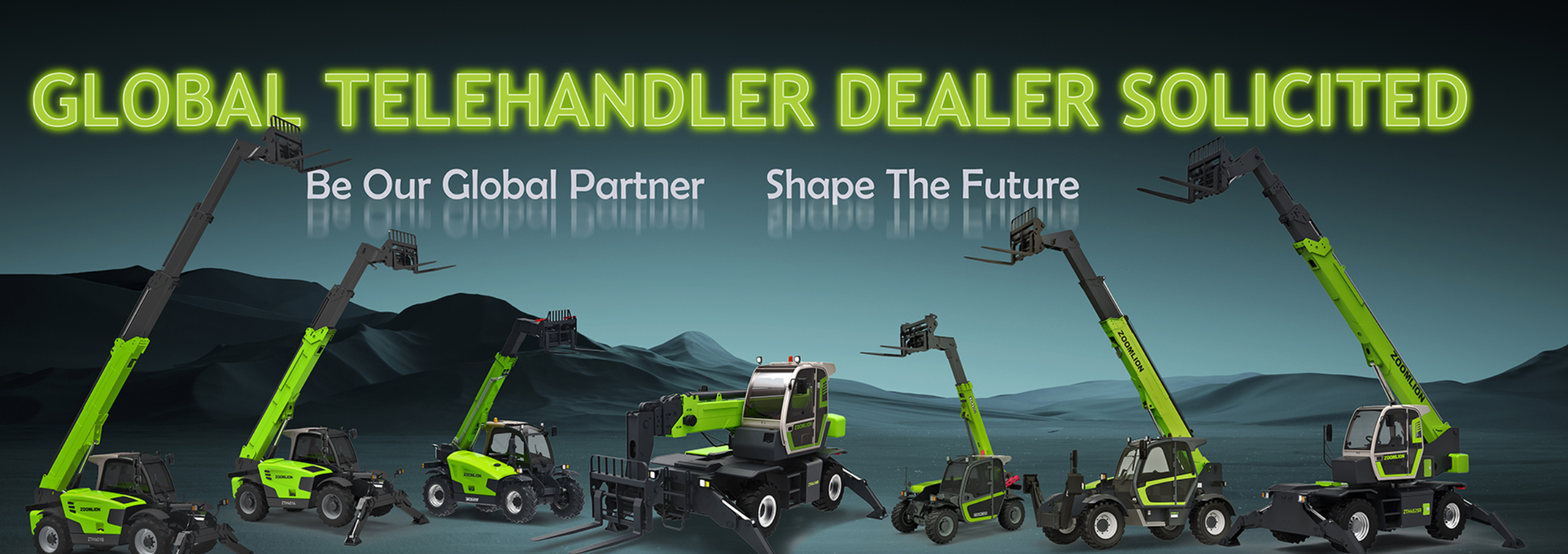
When the job calls for rotation and reach, a machine that turns all the way around changes labor and planning. A 360 roto telehandler can cut lifts and repositioning, which trims operator hours and lowers crane rental days. I saw this on maintenance runs among Gulf Coast oilfield maintenance sites — fewer lifts meant less downtime when weather turned nasty. That sort of real-world saving is the sort you can count on, not just hope for.
Common mistakes that’ll cost you more
People keep makin’ the same errors:- Picking a machine by capacity on paper but not by reach or rotation needed. That means extra shims, lifts, or scopes of work later.- Ignoring fuel charts and duty cycles, then paying for extra fuel runs and swaps.- Assuming all attachments come cheap. Specialty forks, winches, and cages add real cost.- Underestimating transport. A machine that needs special loads adds tariffs, escorts, and time.Catch those early and you trim surprises.
Choosing between options — practical comparison
Look at the use, not the name. If you need simple vertical lift in tight sites, a compact telehandler works. If you need to swing loads around structures, the roto model saves moves. Think about:- Job cadence: quick in-and-out jobs favor nimble units.- Load profile: heavy, short reach versus medium weight, long swing.- Site constraints: can you get a full-size truck on site without extra prep?Match the machine to how you actually work, not how you hope you’ll work.
Operator and maintenance habits that keep costs down
Operator care makes or breaks your bottom line. Train for load charts, keep daily checks, and track fuel and hours. Simple habit: log every swing and every idle period. For maintenance, swap consumables at scheduled intervals — waiting until a part’s dead is where the big bills start. I ran fleets and learned that a calm preventive plan keeps machines on site, not waiting on a dock for parts.
Final weigh-in: what saves money, plain and simple
If you fix the problems first — match reach and rotation to the task, mind fuel and transport, and keep crews trained — the right machine does the heavy lifting for your budget. Folks who figure this out tend to look at the whole job and end up favoring machines that reduce repositioning and downtime. That’s why practical crews I know wind up choosing equipment from reliable suppliers who back the machine with parts and service, like Zoomlion Access, ’cause it keeps the work moving and the numbers steady.