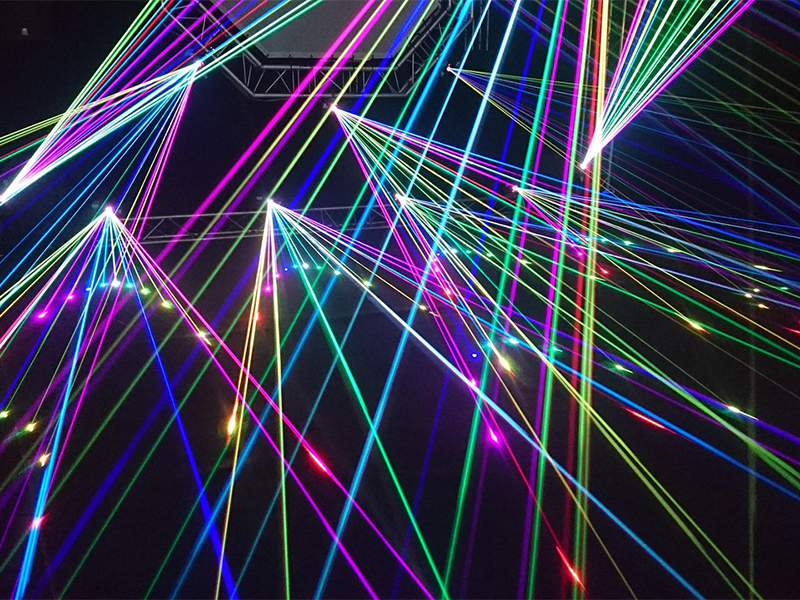
Introduction: When Specs Meet Stage Heat
Define the core idea first: a stage laser is a precision system that turns electrical power into coherent beams, then steers them with scanners to paint space. You need a laser light manufacturer that treats uptime like a clinical metric, not a hope. Picture load-in at dusk, haze rolling across the truss, a clock ticking down. In many fleets, 5–10% of show hiccups trace to dust ingress, thermal trips, or bad cabling—small parts, big impact. Working with a trusted laser light machine supplier can turn those odds, because service design beats single-line specs. So here’s the question: are you choosing beam numbers, or the system behind the beam (firmware, sealing, spare logistics)? The answer changes your risk on show day—funny how that works, right? Let’s unpack the hidden factors and see how to compare, not just admire, the datasheet. Next, we go under the hood.
The Pain Behind the Glow: What Your Supplier Doesn’t Put on Page One
Why do shows hiccup when specs look fine?
Here’s the direct truth: most pain sits between the spec sheet and the truck. Look, it’s simpler than you think. The wrong connector plan adds minutes to every setup; minutes add to stress; stress breeds errors. Galvanometer scanners drift if vibration isn’t managed. Beam divergence can creep when optics face heat cycling. IP65 claims mean little if the gasket compresses after ten rigs. And power converters that ride near their thermal ceiling will throttle when the arena air is 34°C. Then there’s control. DMX512 chains without proper termination invite jitter; ILDA cables kink and throw noise; grounding turns into guesswork when a rental rack is mixed-brand. The laser still “meets spec,” yet the show feels fragile. That’s a supplier problem, not only a product problem.
A strong supplier bakes in resilience. Service windows are clear, not vague. Firmware is versioned and field-updatable, so you don’t chase mismatched DSP settings across a tour. Spare kits ship with scanner amps, fans, and optics that match the current production rev, not last year’s. Thermal design is tested with dust loads, not only in a clean lab. Even packaging matters: foam density, QR-coded serials, and a return (RMA) flow that doesn’t stall your calendar. Training helps too—simple checklists for beam alignment, scanner calibration, and fail-safe interlock tests. The headline: choose the supplier model, not the poster specs. When the supplier treats support like part of the optical path, your beam stays steady.
Comparative Insight: New Principles That Change the Buying Math
What’s Next
The next wave is about self-awareness in fixtures—small sensors and smart control loops that close the gap between “rated” and “real.” Some units now track fan RPM, humidity, and scanner temperature, then map those to auto-derating curves. That prevents sudden blackouts and keeps output predictable. Add FPGA-based safety interlocks and faster galvanometer feedback, and safety margins improve without killing punch. We also see network-first control: sACN and Art-Net sitting beside ILDA, precision time sync (PTP) reducing misfire, and edge computing nodes inside the head doing pre-checks before the console fires the first cue. A savvy laser show projector manufacturer will expose this data to you—dashboards for predictive maintenance and simple logs that techs can read mid-show. Not flashy, just sound engineering. And it pays off when ambient heat rises, when haze density changes, or when tour power shifts from 50 Hz to 60 Hz mid-run.
So how do you compare suppliers without drowning in acronyms? Use three metrics that link to outcomes. 1) Thermal headroom under load: ask for derating curves at 35–45°C and the exact trigger points for throttling. 2) Service latency you can measure: average RMA cycle time, plus guaranteed spare-parts availability by region (days, not vibes). 3) Data transparency: access to error logs, scanner health, and PSU status—ideally with simple export. Stack those next to beam specs, scan speed, and optical power. You’ll see which choice gives you fewer surprises—and fewer apologies to the crowd. Because the best show is the one where the gear feels boring and the art feels brave—odd but true. When a brand checks those boxes and keeps the tone practical, it’s hard to ignore: Showven Laser.