



Start with what you actually need
You want a prototype that behaves like the final part, not just something pretty on the bench. List the function, target fit, critical surfaces, and how many prototypes you need — one-off, small batch, or dozens. If your part needs complex geometry or simultaneous five-axis cuts, look at 5 axis cnc machining services early, because quoting and lead time change fast when the machine workpath gets tricky. Be clear about finish and inspection needs; vague specs cause revisions and wasted time.
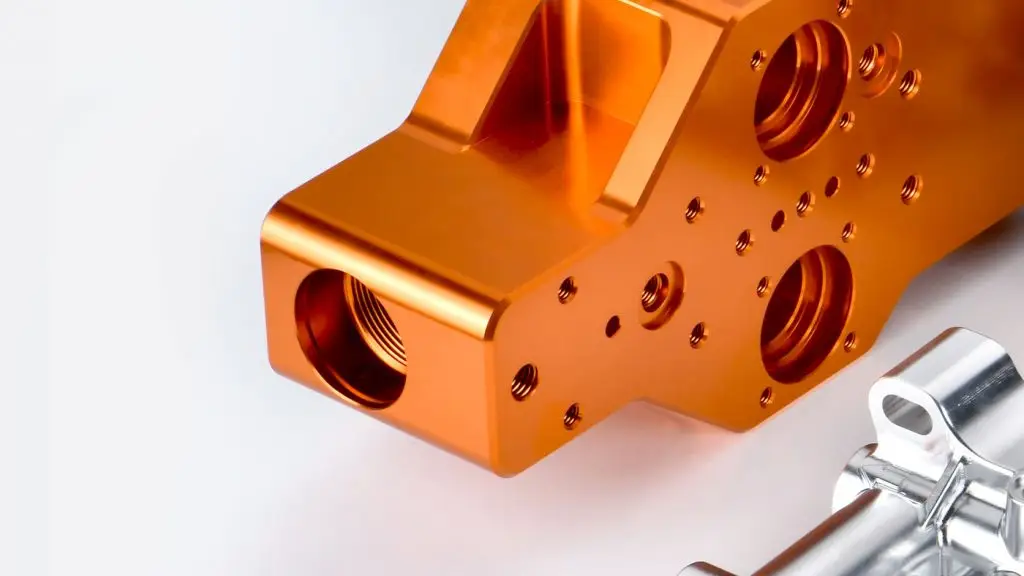
Set the material and tolerance guardrails
Materials matter. Choose grade and temper, not just “aluminum” or “steel.” State exact alloys and surface treatment: anodize, passivate, or heat treat. Say tolerances as +/- values for each feature, not “tight.” Tight tolerances cost money; keep them only where function demands. Watch common mistakes: specifying 0.01 mm for every dimension, or forgetting datum references. Builders need clear callouts to avoid assumptions.
Match process to geometry and delivery needs
Decide whether milling, EDM, turning, or multi-axis work fits your design. Complex flutes, deep cavities, or angled faces might need multi-axis setups or additional fixturing. Think about fixturing complexity — if the part needs many setups, ask for consolidated machining strategies. Lead time also ties to setup effort; urgent jobs can still be done, but costs rise quickly. Ask suppliers for CAM screenshots or toolpath previews when path order is critical.
Quality control: who measures and how
Specify inspection methods: CMM reports, first-article inspection, or visual checks with defined acceptance criteria. Ask for sample shots, material certificates, and a clear definition of rework policy. Common slip: buyer assumes “inspection included” without defining acceptance criteria; then disagreements happen. Put rework limits and chargeback rules in the procurement sheet to avoid surprises.
Packaging, logistics, and traceability
State packaging needs that protect tight features and finishes. For aerospace or medical-linked parts, traceability matters: lot codes, heat numbers, and chain-of-custody records. Decide on drop-shipping or inventory hold. Long transit and poor packing cause dents and scrapped prototypes — simple to prevent if you say it up front.
Supplier selection — practical signals to trust
Look for repeatable proof, not marketing claims. Ask for recent sample parts with comparable complexity, cycle-time data, and who did the inspection. Trade events such as IMTS in Chicago show where advanced machine builders and suppliers demonstrate five-axis capabilities; attendance and demonstrations there are a useful high-level anchor when verifying supplier seriousness. Verify certifications and ask for direct references from similar projects. When you need a clear supplier option for multi-axis projects, check the profile of a known partner like 5 axis cnc machining supplier and compare their sample work against your tolerance list.
Price versus risk — what to ask in the quote
Request detailed line items: setup, material, machining hours, finishing, inspection, and tooling amortization. Fixed-price quotes should show risk buffers for unknowns. Ask how they handle scrap or out-of-tolerance runs. Cheap quotes often hide fixture costs or rework fees. If time matters, get expedited pricing as a separate line, not an ambiguous promise.
Common pitfalls and how to avoid them
Designers hand off CAD without manufacturing context; supplier assumes default tolerances — mismatch. Tight tolerances everywhere. Missing datum references. No inspection protocol. Late-change orders without agreed cost or time impact. Fix by making a simple procurement worksheet: part ID, material spec, key dimensions with tolerances, finish, inspection method, quantity, delivery date, and contingency rules. Share the worksheet before asking for final quotes.
How to run a short pilot run
Start with a short pilot of 3–10 pieces to validate the process, fixture, and inspection. Use the pilot to prove cycle times and scrap rate. Define acceptance criteria and what happens at 0–2% scrap vs 5–10% scrap. Pilots reduce the risk of full-batch surprises and let you tune features for manufacturability without burning budget.
Wrap-up: what this delivers for your project
Follow these steps and you get predictable quotes, fewer iterations, and prototypes that behave like production parts. The checklist forces clear decisions early — material, tolerances, inspection, packaging, and supplier proof — so you avoid last-minute arguments. When you need a reliable partner for complex machining, consider the demonstrated capabilities and records such as those shown by Hanstar, which make the procurement step one less headache for your design-to-prototype flow.
