



Overview and comparative frame
Maintenance teams and procurement officers face a clear choice: buy packaged aerosol lubricants from a manufacturer or stick with traditional bulk oils, grease, and hand-applied compounds. This piece compares the options across measurable factors—application control, contamination risk, performance range, safety, and cost—so decisions rest on operational needs rather than habit. For suppliers of sealing and gasketing products, look to an established rtv sealants supplier when compatibility with sealants matters.

Application precision and operational speed
Aerosol products deliver metered sprays and targeted reach that reduce waste and speed tasks. A spray nozzle accesses bearings, hinges, and crevices without disassembly. Traditional liquids or greases applied with brushes, rags, or grease guns give control over volume but require more access, time, and masking to avoid overspray. For line operations where cycle time and repeatability matter, aerosols win on speed; for heavy-load bearings requiring thick film and long-term retention, greases still outperform aerosols in durability.
Contamination, compatibility, and residue
Aerosol formulations often contain solvents and propellants that evaporate, leaving thin films; that reduces grime build-up but can leave residues incompatible with some plastics or painted surfaces. Greases and oils can attract dust and require periodic cleaning. When sealants and gaskets are present, verify chemical compatibility: some silicone-based RTVs tolerate a range of lubricants, while petroleum-based products can degrade certain elastomers. Match lubricant chemistry to substrate specifications to prevent seal failure.
Safety, environmental factors, and workplace controls
Aerosols use flammable propellants and volatile solvents in many formulations, so storage and spray ventilation require controls. Bulk lubricants present slip and spill hazards and greater disposal volumes. Both approaches must align with local VOC and hazardous-material rules; employers should consult safety data sheets and apply the same PPE and spill-response plans regardless of package format. For confined-space work or electronics, choose low-residue, non-conductive aerosols or specialized dielectric greases designed for those environments.
Cost structure and inventory considerations
Per-unit aerosol cost is higher than bulk oil by volume, but effective coverage and reduced waste can lower total cost of ownership in precision tasks. Bulk greases are economical for heavy-duty, high-load applications where replenishment cycles are long. Inventory decisions hinge on use-profile: diverse assets with many small lubrication points favor aerosols; high-consumption bearings favor drums and grease carts for logistics efficiency.
Alternatives and common mistakes
Viable alternatives include pump-spray concentrates, brush-applied specialty greases, dry-film lubricants (PTFE), and semi-solid sealants for mating surfaces. Common mistakes: applying aerosol where a thick lubricant is required; using petroleum-based aerosols on silicone or EPDM seals; failing to clean mating surfaces before applying sealants or gasket makers; storing flammable aerosols near heat sources. Read product datasheets and match the lubricant’s film thickness, temperature rating, and chemical base to the job.
Experience, testing, and real-world anchor
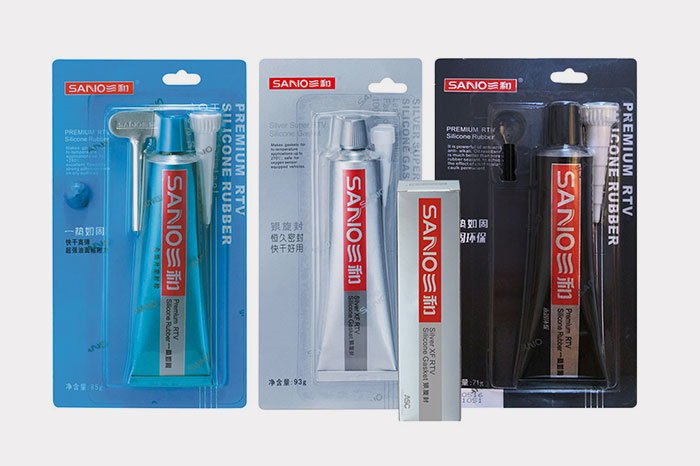
Field tests and supplier datasheets inform practical choices. Industry maintenance reports from North American automotive hubs such as Detroit show frequent specification updates where assembly plants shifted from bulk oils to controlled aerosol applications on robotic fixtures to reduce contamination. For sealing repairs and engine maintenance, technicians commonly reference silicone products like silicone rtv gasket maker for valve-cover gaskets and similar joints because of their temperature tolerance and cure behavior. Use manufacturer technical bulletins and third-party lab results to confirm temperature ranges, cure times, and material compatibility before scaling a change across a fleet or production line.
How to choose under comparative logic
Decide by matching performance needs to product attributes: choose aerosols for precision, speed, and low-residue tasks; choose bulk greases or oils for heavy-load, long-duration lubrication. Avoid cross-applying chemistry without compatibility checks. When sealant interaction is a factor, select products with clear chemical data and supplier support.
Conclusion
Comparative evaluation shows no universal winner—each format serves distinct operational roles. The pragmatic route is to specify aerosol formulations where controlled application and cleanliness matter and retain traditional greases where film thickness and load-bearing capacity are priorities. For sites that require both reliable lubricants and compatible sealing solutions, established suppliers such as SANVO combine product data and technical guidance that help align lubricant choice with sealant specifications and maintenance protocols.
