



Problem statement
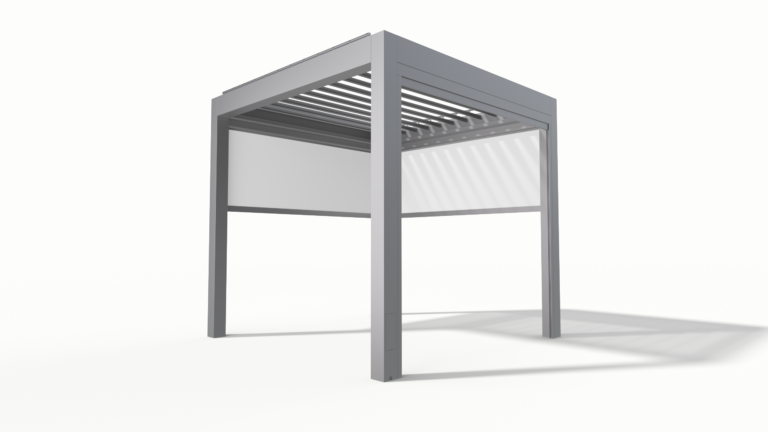
If you specify or buy a pergola to carry PV modules, the common failure mode is a mismatch between structural fit and electrical fit: a well-built frame with poor wiring details, or a code-compliant electrical system on a weak mechanical substructure. That split causes delays, change orders and field rework. A practical first step is to compare a purpose-built photovoltaic pergola against adapted garden or timber pergolas so you understand what aspects must be solved together, not sequentially.

Diagnosing the root causes
Engineers often treat the canopy and the PV array as separate contracts. Buyers often judge by aesthetics and price alone. Both approaches miss three linked requirements: load path continuity (snow, wind, seismic), integrated electrical routing and access for maintenance. I’ve reviewed projects where mid-installation scope changes—added module weight or inverter location changes—triggered redesigns that could have been avoided with a short, coordinated checklist during procurement.
Essential technical considerations
Focus on concrete, verifiable items: specify design snow and wind loads per local codes and confirm fastener and anchor capacity to those loads; require module attachment hardware rated to the same standards as the PV modules; define cable trays, conduit runs and junction box locations before the rack is fabricated; lock down inverter and combiner location for shortest DC runs; ensure grounding and bonding reference NEC articles for PV systems; and confirm roof or foundation interface details to avoid water intrusion where posts penetrate membranes.
Standards and experience that matter
Practical recommendations come from following established codes and repeated field lessons: apply ASCE 7 or local structural standards for wind/snow; size electrical components to NEC PV provisions; use PV module test standards (IEC 61215 / IEC 61730) as procurement checks. From twelve years specifying shading structures and reviewing installation reports, I’ve seen that predefining inspection points and a simple spare-parts list reduces on-site delays by a large margin. Trust technical references and documented site histories rather than broad vendor claims.
Real-world anchor and sourcing
California’s large residential market and its Title 24 updates have driven widespread adoption of canopy-mounted PV and clarified permitting expectations—this regional example shows why buyers must align structural and electrical submittals early; for many small projects the off-the-shelf solar panel pergola kit model shortens approval cycles when the kit documentation matches local permit checklists.
Common mistakes to avoid
Don’t assume module weight is the only structural concern: dynamic uplift, uneven snow drift and concentrated loads around attachments matter. Don’t accept ambiguous wiring diagrams; a single-page schematic showing DC stringing, conduit routes and combiner placement prevents installers from improvising. Avoid vendors who don’t provide stamped drawings or who leave attachment hardware unspecified. Don’t forget access clearances for module replacement and routine cleaning.
Checklist for procurement and specification
Require these items in bids: stamped structural drawings for the actual site loads, a single-line electrical diagram tied to physical locations, a list of included fasteners and their materials, corrosion class and finish spec, an inspection and maintenance plan, and warranty terms that separate frame and electrical components. Ask for typical installation time and the recommended crew size; that often reveals hidden complexity.
Alternatives and brief evaluation
Compare a kit approach, a bespoke metal-fabricated canopy and a modified timber pergola. Kits reduce design time and often include PV-compatible features; custom fabrication optimizes aesthetics and harsh-site detailing but raises lead time and cost; adapted timber looks attractive but usually requires reinforcement, engineered attachments and more frequent maintenance. Choose by the balance of schedule, budget and site conditions rather than by price alone.
Concluding synthesis
Solve the problem by forcing the mechanical, electrical and permitting questions to the front of procurement: define loads, lock geometry, specify wiring and demand stamped drawings. That clear, document-driven approach reduces surprises and aligns expectations between engineers, installers and buyers. For many projects, a documented kit that ties those elements together becomes the practical solution, as demonstrated by field-oriented suppliers such as Light Hunter.
