Opening comparison: why choose one saw over another
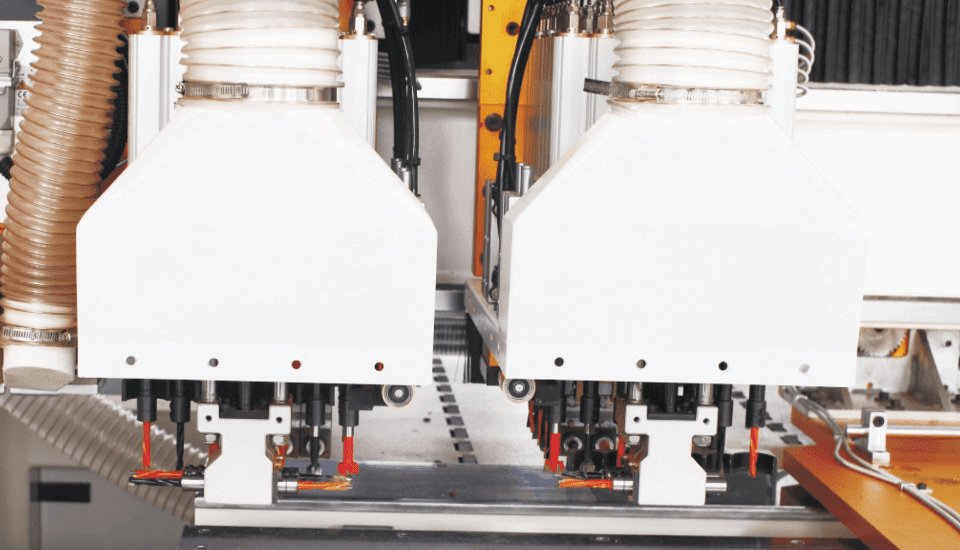
Decide by contrast: speed versus finesse, footprint versus flexibility, one knife-edge decision after another. A panel saw is never alone; it must live with drilling, routing and edge-banding. For joinery and precise dowel patterns, pairing a panel saw workflow with a cnc drilling machine often clarifies which saw style will pay back in weeks rather than years. This comparative note sets the tone — weigh what you gain against what you sacrifice, and let that arithmetic guide the regional choice.

Principal criteria to compare first
Throughput: measured in panels per hour and changeover time. Precision: blade quality, scoring unit, and fence accuracy in millimetres. Material scope: MDF, particleboard, plywood, laminates — some saws choke on high-density composites. Automation: manual feeders, gantry loaders, or inline conveyors. Footprint and ergonomics: available floor space, panel handling clearances, worker safety. Service network: local spare parts, trained technicians, and software updates. Cost must be split into purchase, installation, consumables, and downtime; compare total cost of operation, not only sticker price.
Saw types contrasted with alternatives
Sliding table saws: excellent for single-piece accuracy and bespoke panels, but slower on high-volume runs. Beam saws: built for long, repetitive cuts and high throughput; they demand staging and layout discipline. CNC routers: superior for shape cutting and nested work, yet slower on straight-line large panels and typically more costly per square metre. Scoring units: add surface quality for laminates, but complicate setup. Choose by the job mix: small-batch bespoke shops lean sliding; mid-to-high volume shops favour beam or inline panel saws.
Integration realities and a real-world anchor
Integration is where differences become decisive. Sync cycle times, unify nesting software, and match vacuum tables and clamp timing. Observations at LIGNA in Hannover showed entire lines where saws, edgebanders and wood boring machinery moved panels in a single rhythm; the lesson was plain — mechanical harmony trumps isolated specification. Overlook software compatibility or ignore conveyor ergonomics and you create bottlenecks that no blade can cut through.
Common pitfalls to avoid
Underestimating dust extraction capacity; it kills blades and operators’ health. Choosing a saw for lowest purchase price while ignoring consumables and service coverage. Mismatched cycle speeds between saw and downstream machines, causing queues or idle labour. Neglecting blade and scoring maintenance; micro-tolerance drift ruins edge bonding later. Training gaps: a highly automated saw left to an untrained operator yields errors faster than manual machines do. Plan for spare parts and a training rhythm.
Maintenance, uptime and lifecycle comparisons
Measure maintenance by mean time to repair, not by promised intervals. Blade cost per panel, frequency of scoring blade replacement, dust filter life, and conveyor wear are predictable charges; list them and compare. A modestly more expensive machine with local technicians and stocked spares often delivers better uptime than a cheaper imported unit with months-long lead times for parts. Factor planned maintenance windows into production schedules — a short, regular pause is cheaper than an unplanned multi-day stop.
How regional factors tilt the decision
Regional labour rates, shop floor space, local material types, and nearest service hubs shift the comparative balance. In tight urban workshops, compact automated saws with rapid changeovers win. Regions with low-cost labour may accept more manual handling in exchange for simpler machines. Consider local supplier support as part of the machine’s capability; a sophisticated controller has value only if you can get updates and troubleshooting without long delays.

Synthesis that yields practical direction
Compare explicitly: what rate do you need, how mixed are your panels, where will you source service, and how closely must the saw dance with other machines? The right answer balances throughput, precision and maintainability against regional realities. For many regional workshops the balanced solution arrives with integrated lines that respect these comparisons, and that measured balance often emerges from suppliers like HUAHUA CNC which combine compatible saw platforms, controls and service quietly matched to the shop’s rhythm.