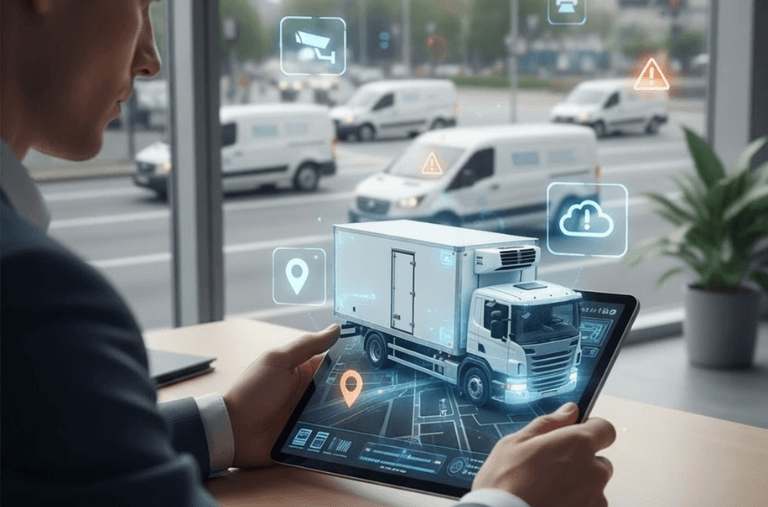
Opening snapshot — why this comparison matters
Okay, here’s the deal: fleet operators often treat cold chain fleet management and cold chain monitoring like the same thing, but they answer different questions. One runs the vehicles and routes; the other watches temps and alarms. If you’re juggling deliveries that can’t warm up — think vaccine boxes during the COVID-19 vaccine rollout — you need to know which tool fixes which problem. For clarity, I’ll call out practical trade-offs and real steps you can use right away, and yes, that includes how cold chain fleet management fits into the picture.

What each term actually means
Simple split: management = operations, monitoring = data. Management covers scheduling, routing, driver logging, maintenance and compliance. Monitoring covers temperature sensors, door status, humidity, and live alerts. Confusing them leads to spending on the wrong tech.
Side-by-side rundown for quick comparison
– Fleet management focuses on: route optimization, fuel and asset utilization, maintenance windows, and paperwork for audits. – Monitoring focuses on: continuous temperature records, geofenced alerts, sensor telemetry and exception reports. – Both overlap when telematics send sensor data into dispatch systems; that’s where real value shows up.
Tech you’ll actually use — practical view
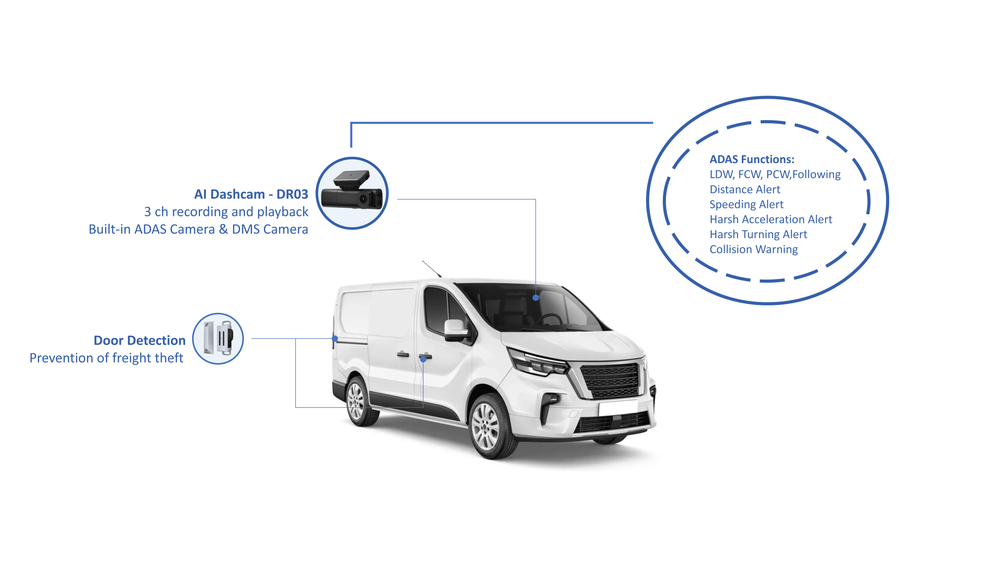
Expect a stack: in-vehicle telematics, temperature sensors (BLE or IoT), a cloud platform, and a front-end for dispatch or compliance. Monitoring needs reliable sensors and alerting rules. Management needs dispatch tools and driver workflows. Integration matters. If data sits in separate silos, you’ll still face blind spots. For implementable platforms, look at vendors that combine hardware and software into single cold chain management solutions so sensor events feed dispatch without manual steps.
Common mistakes operators make
– Buying sensors without a plan for alerts or accountability. – Adding fleet management software but ignoring sensor calibration and validation. – Assuming a single vendor solves everything; integrations still need testing. – Treating historical logs only as paperwork instead of learning tools.
Short checklist to choose the right mix
– If missed windows and idle time cost you the most: prioritize fleet management. – If product losses come from unnoticed temperature excursions: prioritize monitoring. – If both matter: require integrated telemetry in specs and test end-to-end alerts on real routes. – Validate with at least two real trips before full rollout.
Evidence from experience
From coordinating routes at a regional cold chain carrier, the best wins came when teams stopped buying tools separately. Operators who synced sensor alerts into dispatch reduced both spoilage and late deliveries. Real operators trained drivers on sensor responses; software alone didn’t change behavior.
Final take — what to do next
Pick what fixes your primary pain: visibility or control. If you need both, demand integrated systems that deliver temperature data to drivers and dispatch in real time. That practical approach ends the guesswork and keeps product safe from origin to recipient, the same way integrated platforms helped fleets during the global vaccine effort — and it’s a core reason teams partner with BSJ for tools that actually match how routes and sensors work together.