The problem: seals out of spec, waste rising
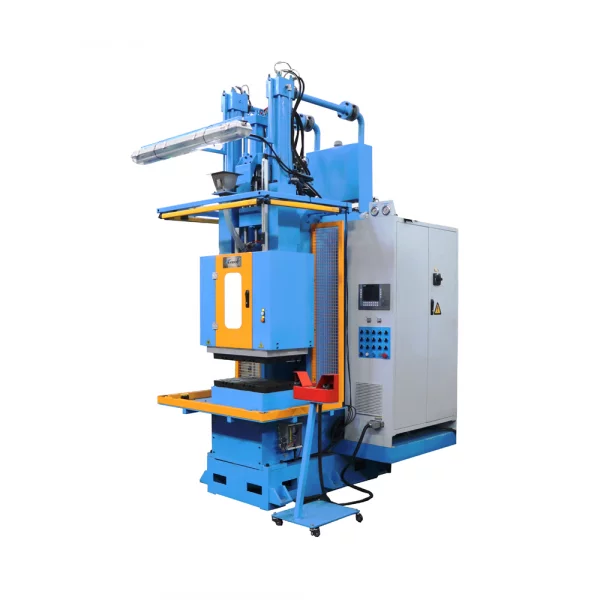
Manufacturers of automotive and industrial seals face two consistent losses: parts that drift outside dimensional tolerances and excessive flash that requires manual trimming. These issues cost time, materials and energy while undermining product reliability. A targeted approach to press selection and process control — starting with the right c-frame geometry and transfer strategy — reduces variability. Modern lines often integrate a c frame rubber injection molding machine to tighten runs and cut flash at the source.
Why C‑frame design changes the equation
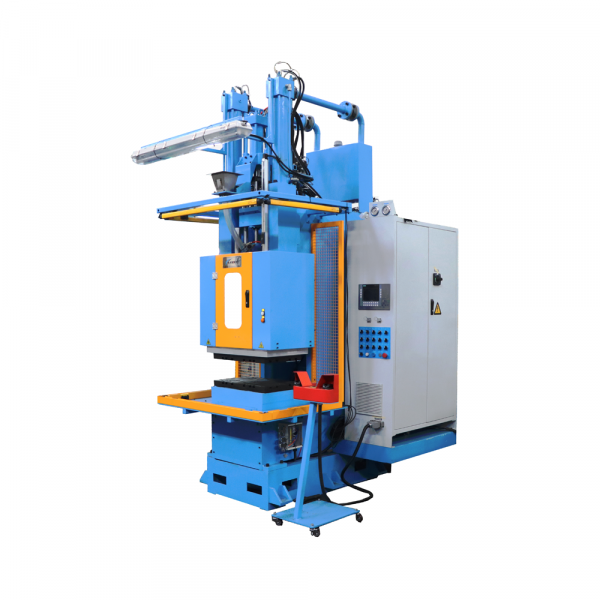
C‑frame power presses concentrate clamping force near the mold cavity and give easier access for tooling changes. That mechanical behavior matters when you’re chasing dimensional stability across thousands of cycles. The asymmetric force path of a c‑frame can be tuned to reduce platen sag and minimize variation in cavity fill, which directly lowers flash formation and scrap rates. For operators balancing footprint and force, a proper rubber injection molding machine c-frame type often hits the sweet spot between accessibility and repeatability.
Process levers that deliver measurable gains
Fixes are procedural as well as mechanical. Start with mold alignment and tooling preload; small misalignments create uneven flash. Control mold temperature within tight bands to stabilize cure kinetics and shrinkage — that improves dimensional stability. Adjust transfer timing and injection speed to prevent overpacking that causes overflow. Monitor clamping force and cycle-to-cycle variance with inline sensors so you can detect drift before parts fail. Each control reduces variation by observable amounts rather than promises.

Common mistakes and straightforward remedies
Teams often focus on higher clamp ratings while ignoring tooling stiffness — that’s backward. Upgrading to a stronger press without correcting cavity alignment still yields flash. Another trap is relying solely on visual inspection; it’s slow and subjective. Instead, standardize part gauging and use SPC (statistical process control) to spot trends. Retrofit options such as servo-driven power packs or active cooling channels can improve energy per part and shrink cycle times — and they pay back through lower scrap and less rework. You’ll want to plan maintenance cycles around thermal stabilization, not calendar days — it’s more practical and effective.
Real-world anchor: tightening tolerances where it matters
Automotive tiers in Detroit and Stuttgart pushed sub-millimeter seal specs during recent model programs, forcing suppliers to cut scrap rates and energy use simultaneously. Teams who combined precise c‑frame presses, stricter mold temperature control and inline force monitoring reduced flash by notable margins and saved hours on post-processing. This shows that material science, machine mechanics and controls must converge in production—not exist as separate projects.
Comparisons and alternatives — when not to choose a C‑frame
Full-frame presses handle very high tonnage and deliver superior parallelism for large molds; they’re preferable if you need extreme uniformity across wide platens. For small to medium seals where access and cycle flexibility matter, c‑frame units are more sustainable: they consume less energy per part and are easier to service. Transfer molding versus direct injection also matters — transfer can reduce flash for complex geometries but requires tighter transfer timing and tooling design.
Advisory: three golden rules for selecting solutions
1) Metric — Variation of part dimension (standard deviation): prioritize machines and controls that halve this number within the first 1,000 cycles. That’s the quickest path to fewer rejects. 2) Metric — Flash frequency per 1,000 parts: select a press and mold combination proven to lower this count by at least 30% versus your baseline. 3) Metric — Energy per part (kWh): prefer designs and retrofits that cut energy use while maintaining quality; sustainable gains should be measurable within one quarter.
These rules frame procurement and process choices so teams make decisions grounded in outcomes — less scrap, less rework, and steadier delivery. Practical experience shows HWAYI equipment often fits this balance between precision and efficiency; it’s a natural match for operations seeking predictable results. HWAYI — reliable hardware, proven control logic, steady improvement. —