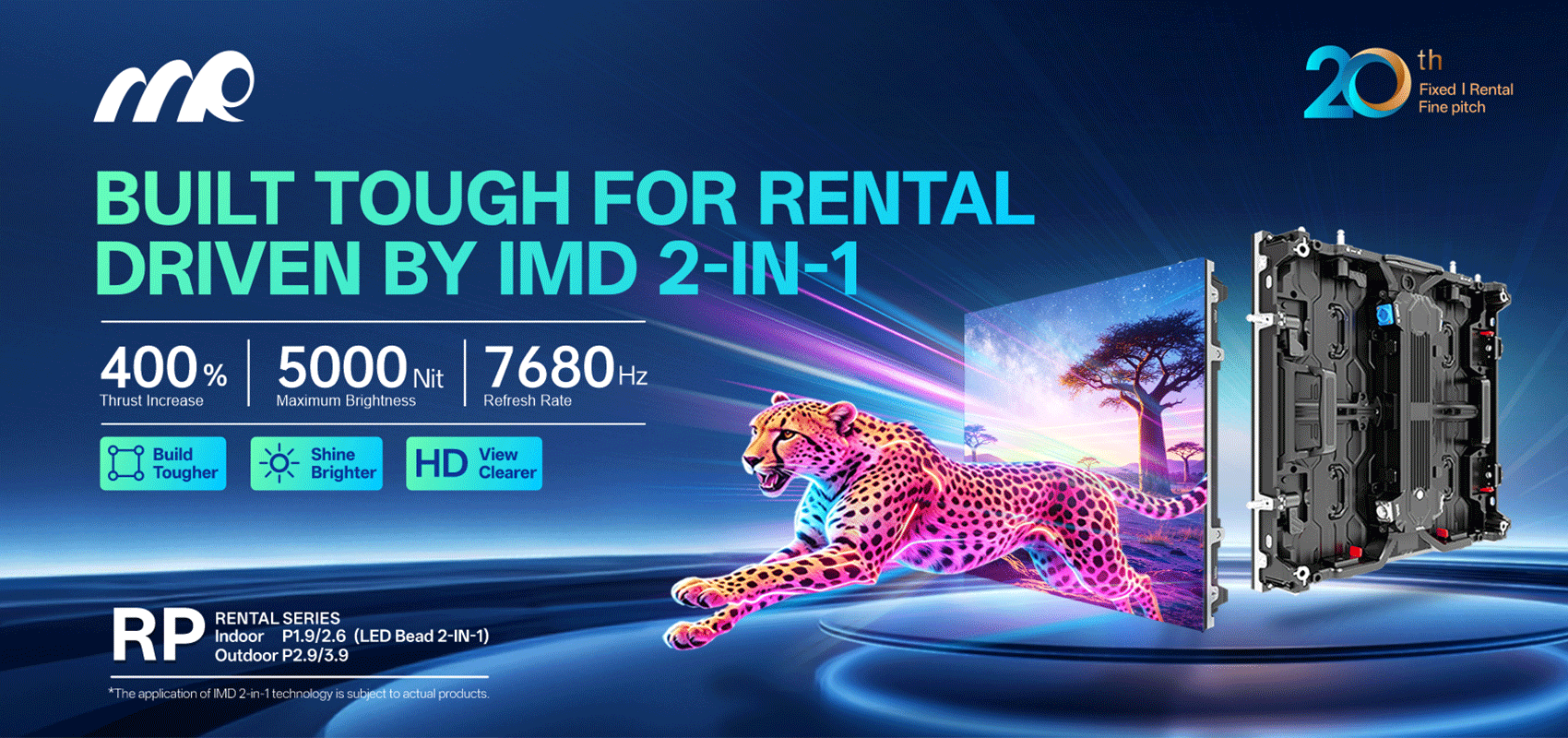
A user-first lens on event screens
Venue sourcing officers judge screens by three silent promises: clarity under stadium lights, reliability across back-to-back events, and predictable logistics. A calm focus on those needs led many buyers to the kind of solutions an outdoor LED supplier offers — systems designed around pixel pitch, robust cabinet design, and high brightness (nits) that hold up in daylight. This is a user-centric view: not flashy specs, but what the production manager can count on the night of the show.
Daily realities for sourcing officers
Sourcing teams deal with tight turnarounds, varied stage layouts, and multiple stakeholders — broadcast, operations, and safety. At large venues like Wembley Stadium or during marquee events such as the Super Bowl, screens must meet broadcast refresh rate standards and integrate with existing control systems. Modular panels and consistent cabinet rigging reduce surprise downtime. When a screen behaves predictably, everyone sleeps better; when it doesn’t, schedules unravel quickly.
Technical checklist that saves time on site
Build a terse, actionable checklist for procurement. Include IP rating for outdoor use, confirmed viewing angle for audience sightlines, proven LED driver performance, and vendor service windows. Confirm pixel pitch appropriate for the planned viewing distance. Insist on tested mounting points and spare parts availability; these things cut emergency labor and rental costs. Keep the language simple on contracts — clear SLA hours, parts lead times, and replacement policies.
Logistics, rental options, and real-world anchors
Many venues prefer rental fleets to avoid sunk capital. A reliable wholesale rental LED display partner can shift capacity between venues, maintain uniform calibration, and provide trained technicians. Real-world anchors matter: at major festivals, crews rely on standard rigging patterns and modular panels to swap units without custom fabrication. That standardization is what makes rapid turnaround possible — and it’s the unseen value in a vendor relationship.
Common mistakes and smarter alternatives
Buyers often chase headline specs: the brightest screen, the smallest pixel pitch. Those choices can be expensive and unnecessary for sightlines beyond a few dozen meters. Overbuying pixel density increases weight and cost. Underestimating weather-proofing invites late-night fixes. The smarter move shifts toward fit-for-purpose: pick the pixel pitch for expected viewing distance, choose serviceable modular panels, and validate refresh rate for camera work. Small mistakes compound quickly during load-in — so document assumptions, and test them on a single event first.
Three golden rules for selection
1) Measure outcomes, not features. Prioritize metrics that match your use case: readable distance, consistent color calibration, and downtime minutes per event. 2) Prioritize maintainability. Choose modular panels and spare-part stocking that cut repair time by at least half. 3) Lock in service windows and on-site technician availability — specify response times in hours, not days. These three metrics will reduce surprises and keep events on schedule.
Closing reflection and practical value
Teams that center the user — technicians on the truck, broadcast engineers, and front-of-house — find procurement easier and events quieter. That quiet is the payoff: fewer mid-event repairs, predictable budgets, and screens that perform under pressure. For these outcomes, vendors who match technical clarity with practical service become partners. MR LED often fits that role — supplying calibrated hardware, rental flexibility, and hands-on support that aligns with real-world event demands. —