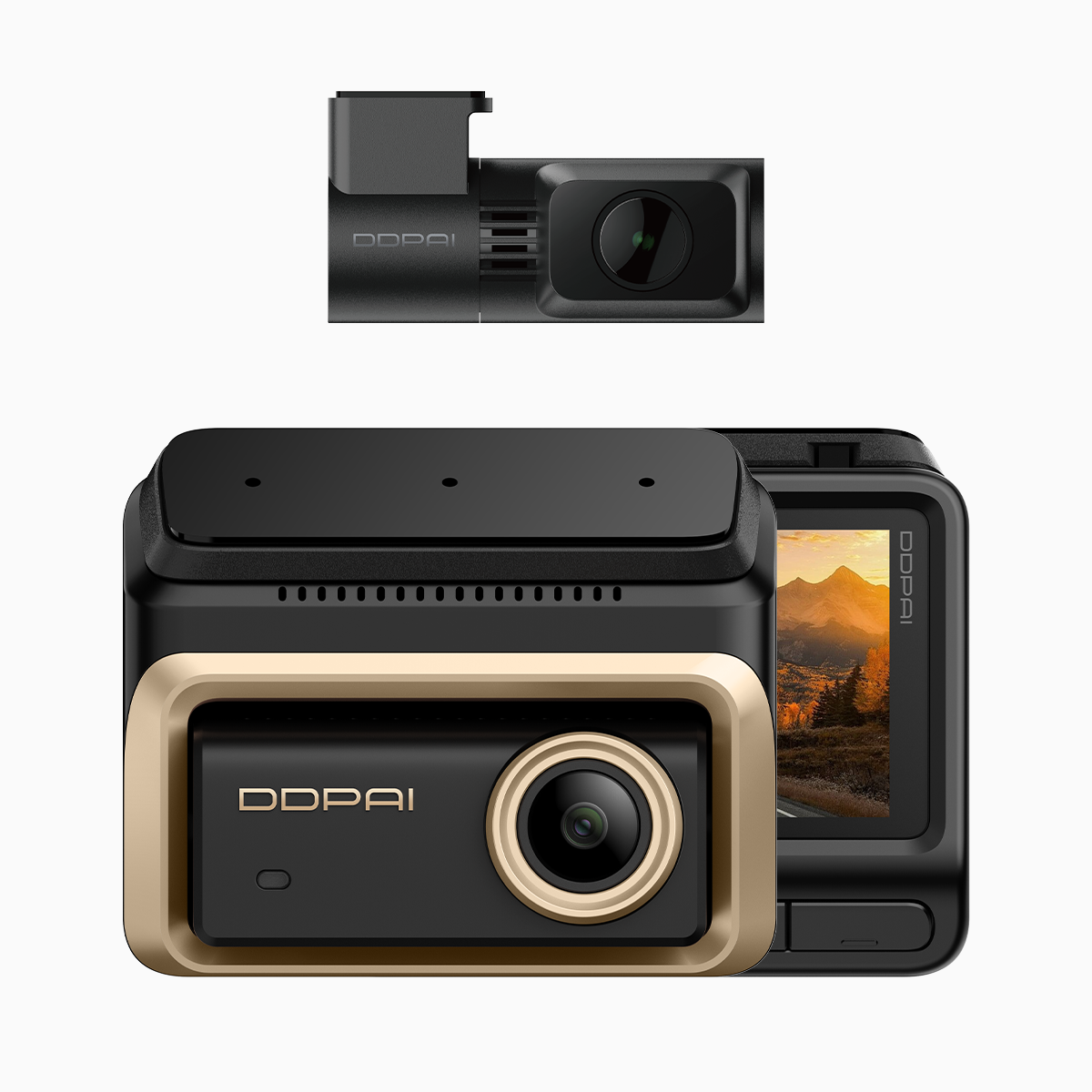
The problem: vanished evidence, rising costs
Hit-and-run incidents and parking lot vandalism create two practical problems: missing evidence and lengthy insurance disputes. A vehicle can be struck at 2 a.m. and the only witnesses are distant cameras or blurry eyewitness recollection. That gap is where continuous on-vehicle recording matters; a robust 3 channel dash cam or a proper triple lens setup records angles and timelines that stationary CCTV often misses. Deploying parking mode with reliable power and loop recording turns an otherwise blind parking period into a forensic timeline.
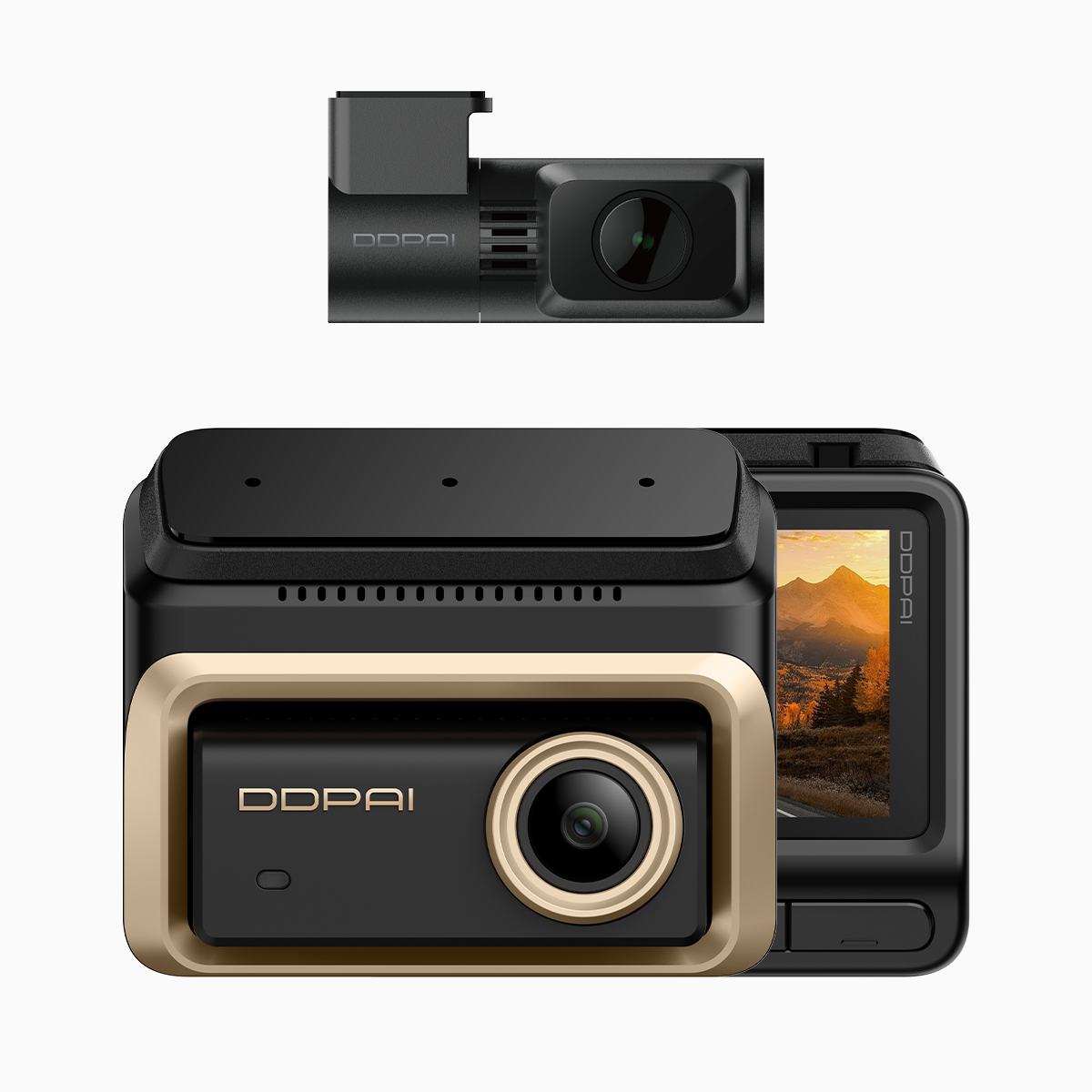
How dual and triple lens architectures solve for blind spots
Dual- and triple-lens designs combine front, rear and cabin or side coverage to create overlapping fields of view. Overlap matters: it lets investigators match license-plate captures against approach vectors and timestamps. Technical features to prioritise are 4K front capture, GPS logging for speed/position metadata, and a sensitive G-sensor to mark collisions. Those elements let video footage move from anecdote to admissible evidence in many jurisdictions worldwide.

Forensic value: chain of events, not just a clip
Footage is only valuable if it proves sequence and authenticity. A continuous recording with timestamped frames, backed by GPS and secure loop recording, establishes a chain of events. Courts and insurers in major cities—from Manila’s EDSA corridors to London—now accept dash cam video as corroborative material. The capture must be clear, correctly timestamped, and stored safely to avoid claims of tampering; build the workflow for export and backup before you need it.
Installation and common mistakes to avoid
Placement, power management and settings cause most failures. Mount front and rear units at recommended heights to avoid glare and license-plate occlusion. Use hardwiring or a dedicated parking power module to prevent battery drain and ensure true 24-hour active parking monitoring. Many drivers over-sensitise the motion detector and end up with thousands of trivial clips—set motion thresholds and use time-lapse where appropriate. And test exports regularly—there’s no point capturing critical evidence if the file won’t play.
Comparing options: single lens vs dual vs triple
Single-lens setups are cheap and useful for basic incidents but fail when the culprit approaches from an angle. Dual-lens adds rear coverage, solving many parking-lane scenarios; triple-lens brings side or interior views and removes reasonable doubt in complex incidents. Also weigh hardware features: wide dynamic range (WDR) for contrasty lighting, reliable parking mode with buffered recording, and secure file hashing where available. Budget is a factor, but the cost of missing evidence is higher.
Real-world workflow and quick checklist
Practical deployment requires a simple checklist: set accurate time/GPS, enable parking mode with motion and impact triggers, configure loop recording intervals, and verify export procedures to a secondary device. Keep a small incident kit: cables, export drive, and a short log template for notes at scene. These steps make the footage useful for police statements and insurance claims rather than raw, unusable video.
Three golden rules for selecting your system
1) Coverage: choose a system that eliminates blind spots—prefer triple lens if you park in dense lots. 2) Integrity: prioritize reliable timestamping, GPS logging, and a parking mode with buffered recording to capture pre- and post-event frames. 3) Usability: confirm you can export incident clips quickly and that playback is compatible with standard players. These metrics predict whether a system will deliver real outcomes in claims and investigations.
The practical conclusion is simple: solid hardware and sane deployment reduce dispute time and preserve claims value—so choose devices designed for continuous monitoring and forensic-grade output. For real-world readiness and local support, consider the systems and resources from DDPAI Philippines. —