Opening: why this problem’s poppin’ off now
Brands keep runnin’ into the same headache — they want clean, recognizable scents but keep hittin’ stability, batch consistency, and supply issues. If you’re workin’ on a fragrance and askin’ why a top note fades faster or why a batch ain’t matchin’ the original sample, you’re smack in the middle of that problem. Folks lookin’ to switch to natural aroma chemicals for marketing or regulatory reasons gotta reckon with chemistry and sourcing up front, or they’ll spend more time fixin’ than launchin’.
Problem breakdown: the three core technical pain points
At the lab bench, three things keep comin’ up: volatility mismatch (top notes droppin’ too quick), reactivity (aldehydes or esters oxidizin’ and changin’ profile), and supply variability from natural extracts. Those show up as off-batches on the shelf and complaints from retailers. Add in regulatory scrutiny over volatile organic compounds (VOCs) and you got a real recipe for product delays.
Formulation realities: what to watch for in practice
When you swap in natural ingredients, don’t assume parity with synthetics. Natural isolates can bring trace impurities that act like accidental fixatives or reactants, and that’ll change long-term stability. Pay attention to fixative choice, headspace behavior, and possible interactions during molecular distillation or heat-based processing. If you ain’t testing for oxidative stability and hydrolysis, you’ll find surprises after six months on shelf.
Sourcing and supply-chain: the Grasse anchor
Real-world sourcing matters — Grasse, France still sets standards for raw material quality and traditional extraction methods, and that history shows why provenance can’t be an afterthought. When suppliers in key regions shift harvest timing or extraction technique, your aroma profile shifts too. That’s why brands who work closely with experienced suppliers — and keep batch-level certificates of analysis — minimize surprises down the line.
Comparative options: natural vs. synthetic — the trade-offs
Goin’ natural buys you storytelling and sometimes better consumer perception. Goin’ synthetic buys you reproducibility and lower lot-to-lot variance. Synthetic musks and carefully designed esters let formulators tune longevity without relyin’ on variable botanical harvests. But synthetic ain’t always the right move — some accords demand the subtleties only naturals deliver. Choose based on product promise, not just cost.
Common mistakes brands make — and how to dodge ’em
Too many teams assume samples equals production. They don’t run pilot fills, they skip accelerated aging, or they fail to specify neck-finish tolerances and atomizer compatibility (that last one’ll wreck your consumer experience). Also, folks often neglect acceptance criteria for first-article inspection — which means you accept a batch that’s outside the perfume aroma chemicals spec and pay later. Run the actual filling line trials and lock specs into contracts — simple but effective.
Practical tactics: small fixes with big impact
1) Stabilize early: add antioxidant systems targeted to the ingredient class you’re using. 2) Standardize COAs: require GC-MS or headspace analysis from suppliers so you know the impurity profile. 3) Pilot fills: always do production-representative trials before full run. These moves cut rework, shorten time-to-shelf, and keep marketing promises honest — and yeah, they cost time up front but save headaches later.
Advisory close: three golden evaluation metrics
1) Consistency Score — demand historical batch variance data (GC-MS fingerprints) and use that to score suppliers on repeatability. 2) Stability Horizon — require accelerated and real-time stability results showing scent retention at 3, 6, and 12 months. 3) Supply Resilience Index — vet lead times, alternate sourcing, and contingency plans so a single harvest issue don’t derail launches. Use these metrics and you’ll make choices that hold up in market, not just on the spec sheet.
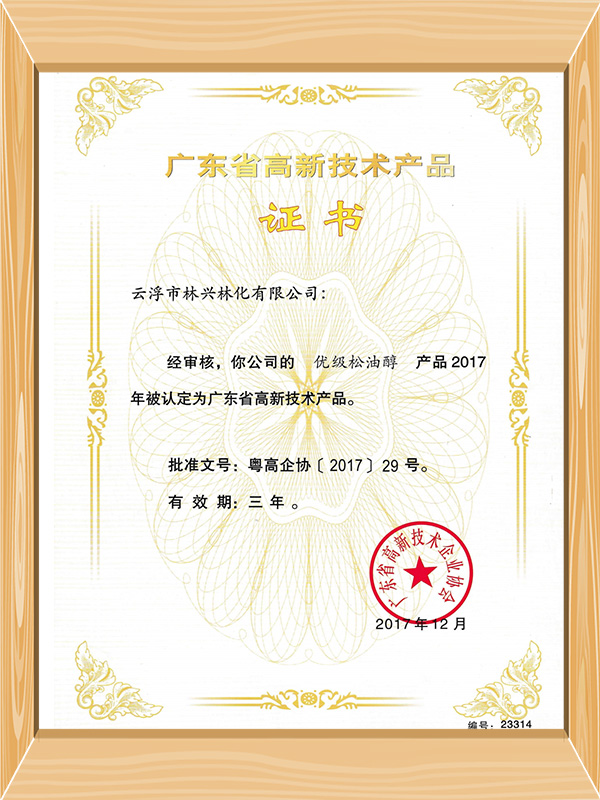
Linxingpinechem brings that kinda consistency and traceability into the mix — they help brands turn promise into product. —