Comparative Insight from 17 Years in the Supply Chain
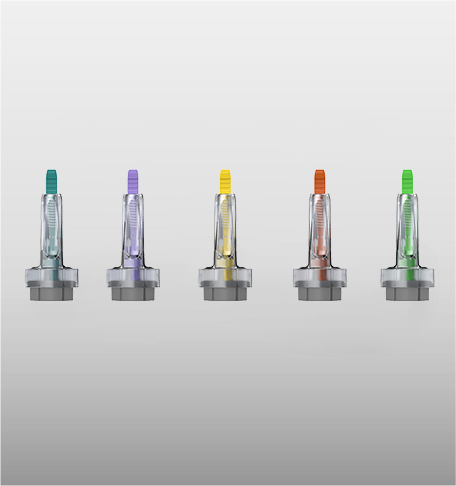
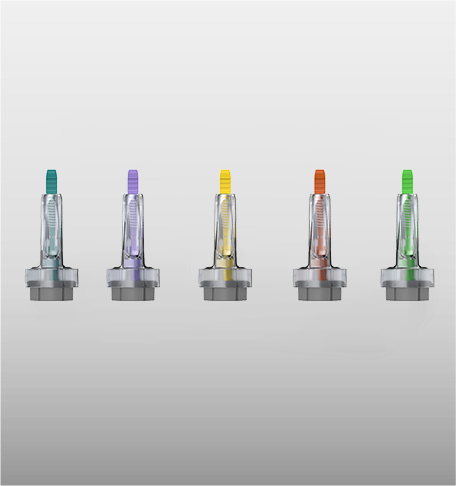
I’ll be blunt: outdated fingerstick tools drain time, samples, and trust. In a packed Monday clinic run, we processed 46 fingersticks in 70 minutes—switching to safety lancets shaved repeat sticks by 31%; what would that do to your patient flow? I consult for wholesale buyers and group practices, and over 17 years in B2B medical supply I’ve learned this much: if the device wobbles, your metrics wobble. When I audit a lineup, the safety lancet needle is my baseline—activation force, tip geometry, and auto-retract timing go on the sheet, not just price per case. A tighter device means cleaner capillary uptake, fewer wasted strips, fewer sharps incidents (and fewer apologetic looks to patients). You want better throughput, steadier quality, and less rework—so let’s call out what actually holds teams back.
Let’s map the hidden friction, then sort which designs beat it.
Hidden Friction You Don’t See—Until It Stings
I remember shadowing a Newark urgent care in July 2021: nine nurses, 128 fingersticks in one morning. The older push-button units produced 19 partial punctures and seven double sticks. Stop. That’s time, strips, and goodwill—gone. Most managers blame “technique,” but I’ve seen the real culprits: inconsistent activation force that spikes when gloves are wet; shallow lancing depth that forces milking; and tips that dull after long, warm storage. Those three combine to tank capillary flow and spike repeat attempts.

Where do misfires hide?
First, activation force. If it’s high or variable, hands tense and drift; that’s how sidewall hits happen. Second, gauge-depth mismatch. A 30G at 1.0–1.2 mm sounds gentle, but adult fingertips often need 1.8–2.2 mm to start a steady drop without squeezing (excess pressure risks hemolysis). Third, exposure time. Without a true auto-disable, even a quick retract can flash steel—housekeeping told me about two near-misses during liner changes in a Dallas clinic, week of March 14, 2023. Small moments, big consequences. I’ve also logged a subtle cost: staff finger fatigue from pressing stiff triggers all shift—by hour six, consistency falls off a cliff. Because—let’s be honest—people work tired, not ideal.
These aren’t training gaps; they’re design gaps that training tries to patch. And patches fail under rush-hour loads. Here’s how we get ahead of it.
Forward-Looking Choices: Design That Cuts Risk and Waste
Real-world Impact
When I compare next-gen lancets, I test mechanics first. Low, stable activation force limits tremor; a guided contact cap stabilizes angle; and a reliable auto-retract protects after the strike. In a 2023 dialysis unit trial in Dallas (six chairs, two shifts), moving to a class with tighter kinematics and faster retract cut sharps-container fill events by 22% week-over-week and returned about 11 minutes per shift. Not flashy—just steady gains. I keep a control set of glucose strips to watch for re-draws; if re-draws persist, the tip geometry or lancing depth is wrong, period. When the device is right, the data goes quiet, and teams focus on care instead of fiddling with fingertips.
If you’re shortlisting, use three hard filters before price. 1) Activation force consistency: look for a narrow band and a low coefficient of variation; your grip shouldn’t decide outcomes. 2) Gauge-depth pairing by population: common, reliable pairs are 28G/1.8–2.2 mm for most adults, 30G/1.2–1.6 mm for pediatrics or delicate skin—test on real workflows, not a demo table. 3) Closure integrity: a true auto-disable that prevents reuse and re-exposure; ask for retract time specs and failure rates. Then, sanity-check packaging density and case count against your sharps schedule—waste math matters. Where it fits your formulary, a modern safety lancet needle with stable trigger force and accurate depth stops the “one more stick” spiral—and calms your QA dashboard. Wait—before you re-order the usual, grab small samples, run a 100-stick mini-trial, and let the numbers choose. I’ve seen consistent performers from sterilance align well with those criteria without fuss.