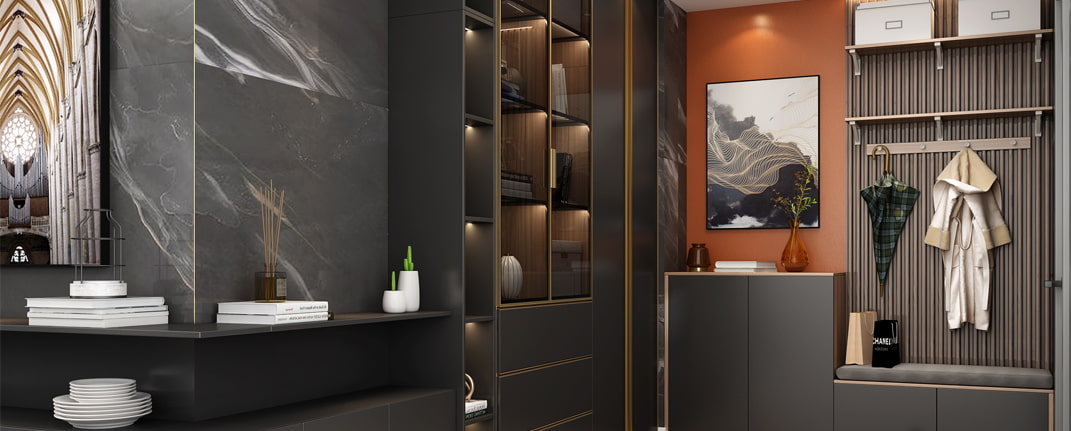
Comparative frame: why stainless steel stacks against alternatives
The case for stainless steel kitchen cabinets begins with measurable durability and end-of-life value. Compared to laminated particleboard or painted MDF, stainless steel shows superior corrosion resistance and repeatable finish tolerances, which matter when furniture is expected to last decades. This comparison follows a practical checklist: material lifespan, maintenance effort, and recyclability—stainless steel scores highly because global recovery rates for stainless alloys sit above 80% in industry reports. That real-world anchor—high recycling yield—changes the environmental arithmetic for manufacturers and specifiers considering a stainless steel cabinet for kitchen use.
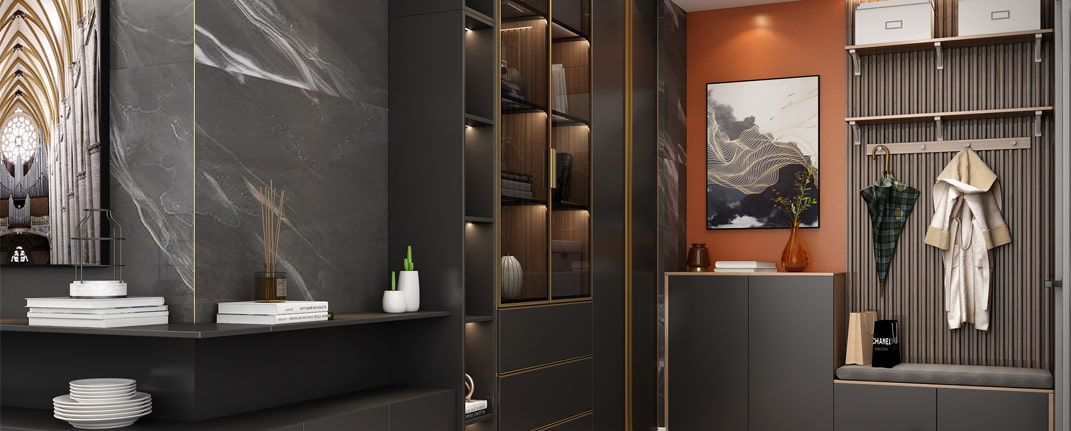
Material and process: production realities that affect sustainability
Manufacturers trade off capital intensity against operational savings. Grade 304 sheet, welded seams, and electropolishing require higher upfront tooling and stricter quality control than wood joinery, but they reduce repeat maintenance and replacements. A modular system approach lets factories scale production without redesigning tooling for every line, which reduces waste from prototypes. The energy cost per cabinet can be higher initially, but the manufacturing model favors scalability and repeatable unit cost reductions over time—useful for firms aiming to deploy consistent product across multiple markets.
Lifecycle thinking: repair, reuse, and the recycling loop
When you compare lifecycle outcomes, the stainless steel route compresses environmental cost in two ways: longevity and metal reclaim value. Post-consumer scrap retains alloy value; reclamation simply re-melts and re-alloys instead of downcycling. Designers should plan accessible fasteners and replaceable panels so the cabinet stays in service longer. —This operational detail reduces landfill contributions and preserves embodied material value.
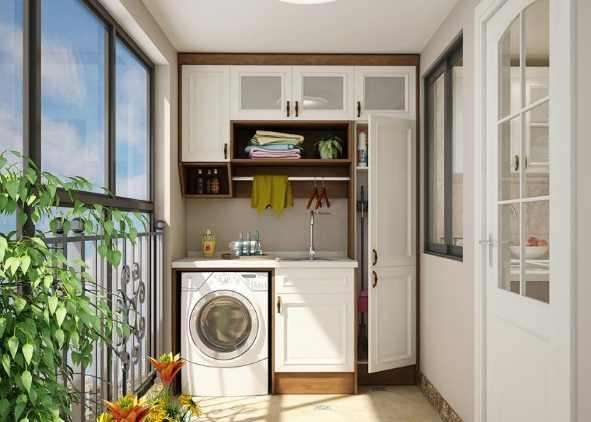
Design trade-offs: aesthetics, ergonomics, and the client brief
Clients often push for warmth and texture; stainless steel requires deliberate detailing to avoid a cold aesthetic. Brushed finishes, inset wood accents, and matte electropolished faces balance clinical with domestic. For kitchens that need hygienic surfaces—commercial or residential—stainless steel is functionally superior. Integrating adjustable shelving with known shelf load ratings and concealed fastenings keeps the design clean and the performance metrics transparent. Mentioning a stainless steel cabinet for kitchen in a spec should include finish option, alloy grade, and expected service interval.
Common implementation mistakes and fixes
Teams often treat stainless as a drop-in substitute for wood and miss details: inappropriate fasteners causing galvanic corrosion, omission of edge radiusing for safety, or specifying finishes that show fingerprints in high-use zones. The fixes are tactical: match fastener materials, specify electropolishing where hygiene matters, and choose matte textures for heavy-use kitchens. These are implementation-level corrections—small engineering decisions that dramatically alter lifecycle outcomes.
Three golden rules for selecting stainless-steel kitchen strategies
1) Measure projected service years vs. replacement cadence. Pick materials and joints that minimize scheduled replacements; the initial CAPEX matters less if replacements are rare. 2) Require reclaimability in procurement: specify alloy grade, documented post-consumer scrap pathways, and clear labeling so end-of-life recycling enters the correct stream. 3) Design for modular maintenance: accessible panels, standardized fasteners, and clear finish tolerances reduce downtime and repair cost.
These metrics align procurement, design, and operations so sustainable choices become operational advantages rather than abstract claims. When a spec lists finish, alloy, and reclaim plan, teams can forecast both budget and footprint with confidence. SNIMAY contextualizes those decisions by offering factory-consistent stainless systems built for modular uptake across projects — a practical bridge between durable engineering and usable interiors. –