Where Traditional Designs Break Down
I remember walking a dusty site in the Texas Panhandle in March 2023, staring at a 50 MW / 200 MWh Li‑ion NMC rack and noting how a simple misalignment in procurement delayed commissioning by six weeks — and cost the operator nearly $120,000 in lost capacity payments. In that scenario, curtailed wind output fell 12% that month; what does that mean for long-term contracts and returns? I ask because I still see the same pattern: spec-driven buys that ignore operational nuance. Early on I started recommending utility scale battery energy storage systems with inverter and thermal-management details spelled out in the contract. That level of diligence cuts warranty disputes and installation rework — trust me, I’ve handled the paperwork. (A small aside: people underestimate balance-of-plant.)

Most legacy approaches treat storage as a commodity for peak shaving only. In practice, grid services — frequency response, voltage support, capacity firming — require different control logic and deeper supply-chain alignment. I have seen projects where a one-size-fits-all state of charge strategy caused unnecessary cycling and shortened pack life by an estimated 18% over three years. We must stop chasing the lowest upfront price and start evaluating lifecycle ramifications. This is not abstract; it hits bankability, O&M schedules, and resale value.
— This leads us to the next practical phase.
Comparing Paths: What Comes After the Status Quo?
Now I shift to a comparative, forward-looking lens. After fifteen-plus years in B2B supply chain and project delivery, I compare two practical paths: replicate the lowest-capex procurement model, or design for operability and multiple revenue streams. I prefer the latter. Consider a project I advised in June 2021 near El Paso: by specifying a different control firmware and modestly uprating the inverter, the owner secured two revenue streams — capacity and ancillary services — boosting net present value by roughly 14% over a 15-year model. That move required a slightly higher initial spend, but it reduced dispatch conflicts and improved lifecycle forecasts.
What’s Next?
We should evaluate solutions across three axes: technical fit, supply-chain resilience, and realistic revenue stacking. For me, the technical fit includes details like inverter redundancy and thermal zoning; supply-chain resilience covers vendor lead times and spares logistics; revenue stacking examines how a system supports both peak shaving and grid services. I often run scenario models — worst-case frequency events, summer peak months, scheduled maintenance windows — and then map those to contract obligations. The result: clearer decisions, fewer surprises. Also — expect procurement conversations to be direct. They need to be.
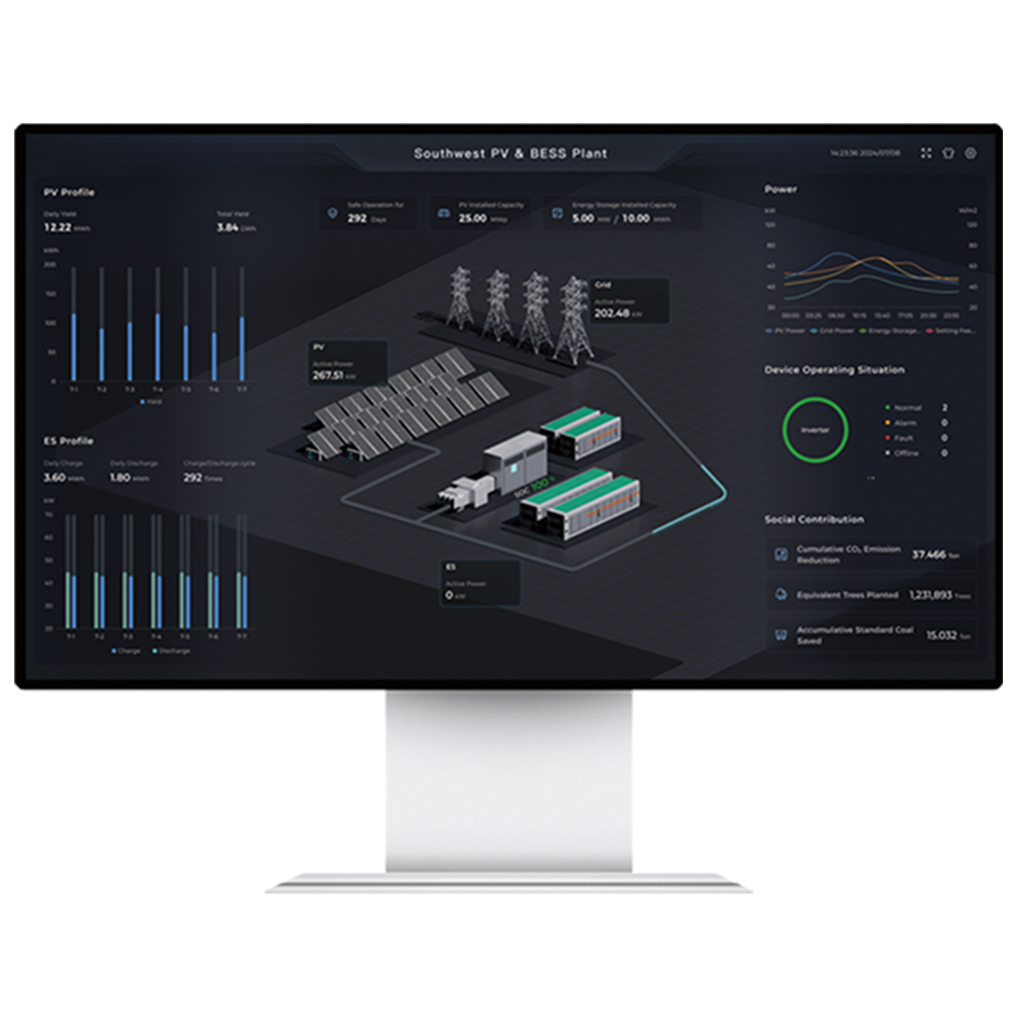
To be practical: here are three metrics I rely on when advising wholesale buyers. First, total cost of ownership over 15 years (include replacement cycles). Second, guaranteed grid-services performance (measured in MW and response time). Third, supply-chain clauses that lock lead times and spares pricing. I use those every time; they separate talk from deliverable outcomes. One more thing — vendors that can show seasonal performance data matter more than glossy brochures.
I will keep pushing this pragmatic, slightly philosophical stance — because systems are only as resilient as the contracts and people behind them. For anyone choosing hardware or partners, remember that the quiet details (control firmware, inverter ratings, state of charge strategies) make the loudest difference. For further reference and a partner I often point to in conversations, see sungrow.