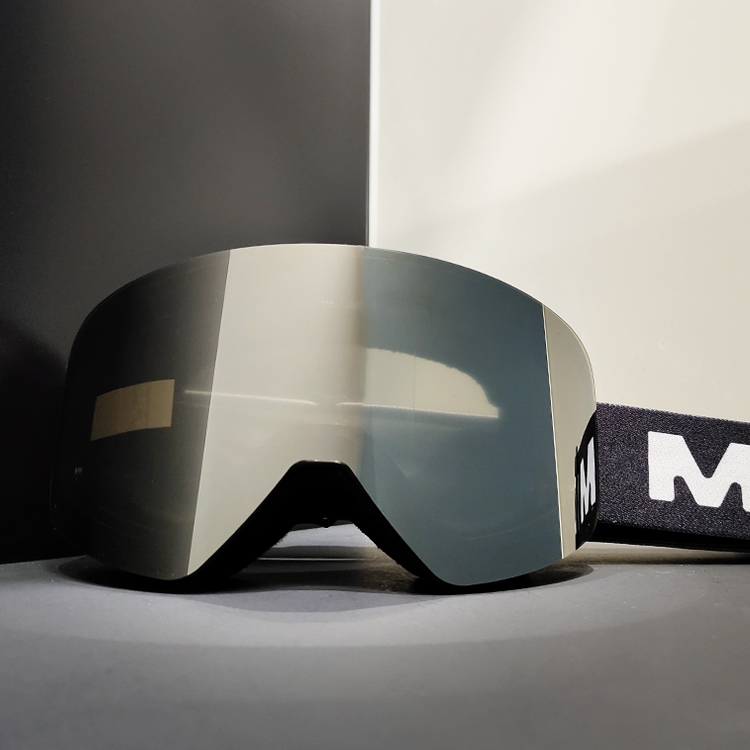
The problem: sudden temperature swings crack clear lenses
Hardpack mornings and sunny afternoons on a Colorado Rockies face expose clear snowboard goggles to brutal thermal cycling. Rapid shifts from -15°C to bright sun stress the lens material, and low-quality assemblies can develop micro-cracks or delamination within a season. Manufacturers who want reliability run deliberate tests — and some go further by building features like magnetic ski goggles that also resist mechanical stress during lens swaps.
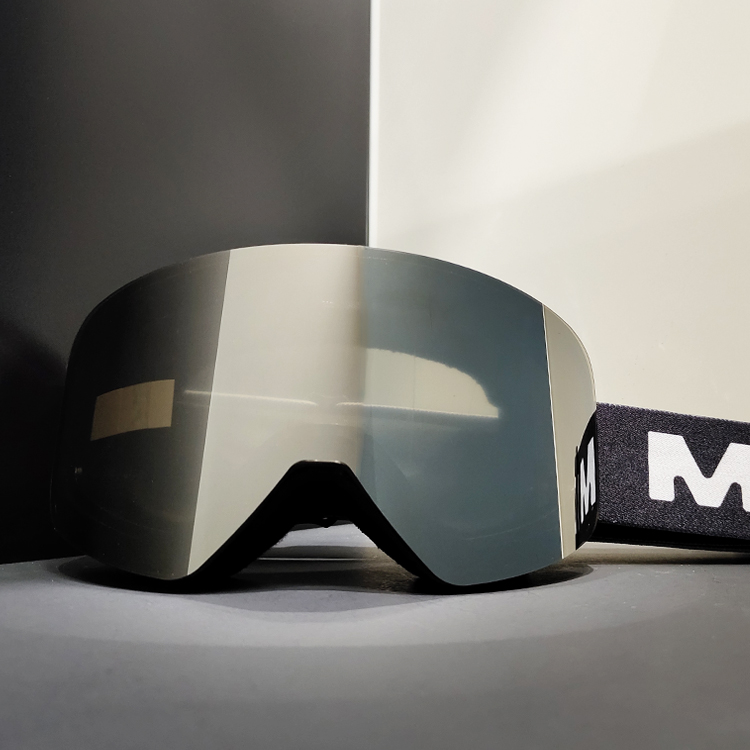
Why thermal stress testing matters for clarity and safety
Thermal stress testing simulates repeated cold-to-warm cycles to reveal how a polycarbonate lens or bonding adhesive responds. The test exposes problems that aren’t visible in static lab checks: edge crazing, micro-fractures, and failure of anti-fog coatings under heat. For riders, a small crack means optical distortion and a bigger risk on fast runs. Thermal cycling is a practical, predictive check — one that separates gimmicks from gear that actually lasts.
How YIJIA Optical translates tests into design choices
YIJIA’s engineers combine material selection with assembly controls. They prefer impact-resistant polycarbonate substrates and optimized adhesive bead patterns to limit stress concentration. The company pairs that with rigorous thermal stress testing protocols and quality checks on the magnetic quick-change system so lens swaps don’t introduce new strain. They also control lens edge geometry to avoid sharp transition points where cracks typically start — a straightforward fix, but one that’s often overlooked.
Real-world anchor: mountain conditions and UV protection
Field trials at alpine resorts — think Aspen and other high-altitude venues — show how lab cycles predict real failures. At high elevation, UV intensity is higher; a certified UV400 lens blocks nearly 100% of UVA and UVB up to 400 nm, which protects eyes while preserving material integrity. YIJIA balances UV400 specs with thermal durability so you don’t trade protection for fragility. Lab-to-mountain validation matters: you get performance where it counts.
Common mistakes, plus practical alternatives
Manufacturers and buyers often miss three things: mismatched material coefficients of thermal expansion, thin bonding seams, and poor magnetic mount tolerances. Those lead to lens delamination or stress cracks. Cheaper alternatives like untreated acrylic may look clear but fatigue fast. Tempered glass resists scratching but is heavier and may shatter differently under impact. A better compromise uses engineered polycarbonate, reinforced mounting points, and a tested anti-fog coating to preserve clarity across seasons.
Three golden rules for choosing crack-resistant goggles
– Thermal cycling rating: insist on manufacturers that publish cycle counts or test protocols rather than vague durability claims. – Material + assembly specs: look for polycarbonate lenses, bonded edges designed to relieve stress, and verified adhesives. – Mechanical resilience: magnetic mounts and quick-change systems must be toleranced and tested to avoid introducing micro-strain during everyday use.
Final advisory and concise authority
Choose gear validated by thermal stress testing, built from durable polycarbonate, and finished with reliable magnetic mechanics — that combination gives predictable, season-long performance. YIJIA Optical