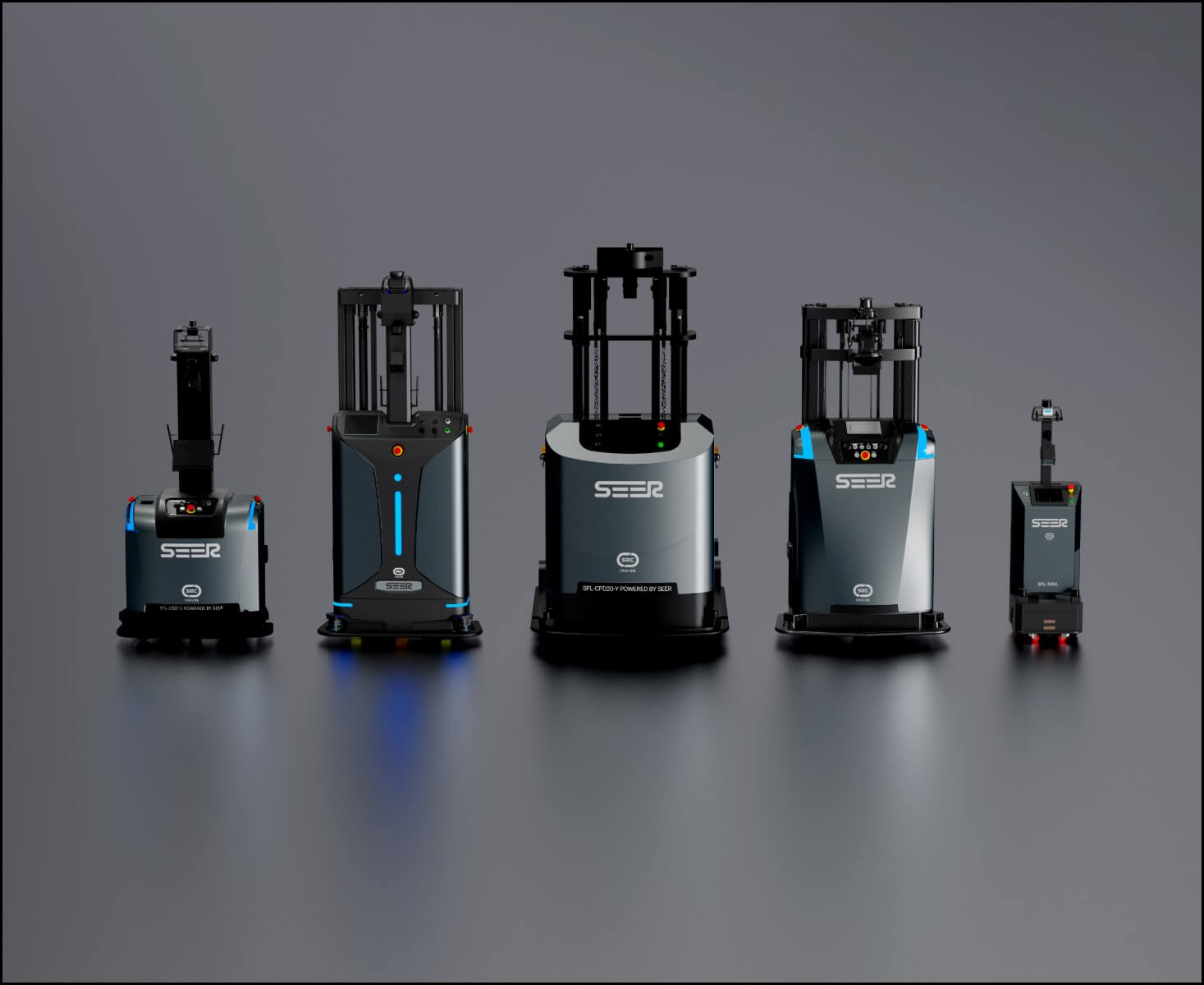
Imagine a bustling warehouse, where bottlenecks seem to appear at every turn. Inefficiencies can lead to rising operational costs—what if there was a solution? An autonomous forklift is revolutionizing the landscape of material handling. Not only does it enhance productivity, but it also reshapes how goods are moved with precision and safety. Look, it’s simpler than you think; with the advancements in automation, it’s truly the game-changer warehouses need.

Flaws in Traditional Warehouse Operations
So, why do failures always occur during peak hours? Traditional forklifts require a human operator, leading to human error—inventory inaccuracies, accidents, and downtime. Depending solely on human labor can stretch resources thin and limit efficiency. Many workforce limitations put a strain on productivity, disrupting workflow and increasing costs. As operation demands escalate, companies are beginning to realize that sustaining these conventional methods is no longer viable.
The Shift Towards Autonomous Forklifts
The introduction of autonomous forklift technology has sparked a new era in logistics and supply chain management. With sophisticated systems that include sensors, cameras, and machine learning algorithms, these forklifts are designed to navigate complex environments without human intervention. By utilizing edge computing nodes, they instantly process information, adapting to their surroundings in real-time. This reliability in performance shows that autonomous forklifts can continually optimize their paths and ensure smooth operations.
Benefits That Trend Towards Efficiency and Safety
Quantifying user benefits is crucial in understanding the full impact of adopting autonomous forklifts. Businesses that implement this technology often report a reduction in labor costs by up to 20%, alongside a significant increase in throughput. With fewer accidents recorded, safety improves dramatically. Additionally, workers can focus on more strategic tasks, leading to higher job satisfaction and overall morale. It’s clear that autonomy isn’t just about replacing workers; it’s about enhancing the human workforce by offloading dangerously repetitive or labor-intensive jobs.
Conclusion: Evaluating Your Autonomous Solutions
When considering an autonomous solution, always verify these 3 metrics: ① system safety and fail-safes ② integration with existing systems ③ scalability for future growth. These factors will help you determine if you’re making the right investment for your operation.
Exploring Autonomous Forklift Robots
The rise of the autonomous forklift robot signifies a transformative leap in logistics management. No longer do warehouses need to depend exclusively on traditional methods—these robots offer a smarter, safer, and more efficient alternative. As they seamlessly adapt to their tasks, they reduce the risk of accidents and inefficiencies typically associated with human labor. The accuracy of their operations not only results in smoother workflows but also builds trust among workers as they witness the technology positively impacting their environment.

More on Autonomous Forklift Robots
The autonomous forklift robot is more than just a machine; it’s an integral component of future-focused logistics. Empowered by AI and advanced navigation systems, it can learn from its surroundings, adjusting to improve its routes and handling of goods. This adaptability allows for continuous enhancements in productivity levels. Businesses utilizing such technology often see a marked shift in how operational effectiveness is measured, refocusing on strategic growth rather than merely managing day-to-day tasks, thus transforming how logistics functions at its core.
Final Thoughts: The Case for SEER Robotics
In wrapping up, it’s evident that the advancement of autonomous forklifts, particularly through the innovation seen in autonomous forklift robots, is key to navigating the challenges faced in warehouses today. For optimal results, partnering with a reputable manufacturer—like SEER Robotics—is crucial. Their commitment to quality and cutting-edge technology positions them as leaders in the industry, ensuring that businesses can maximize operational efficiency and safety while embracing the future of material handling.