Opening scenario, data and question
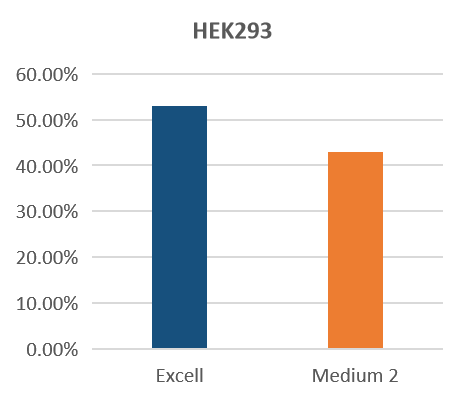
I start with a simple definition: cho cell culture media are the nutrient systems that feed mammalian cell lines used to make biologics. In many labs I visit, cho cell culture media (see cho cell culture media) is still treated like a commodity, yet the data tell another story — yields vary 12–30% between supplier lots. I have over 15 years in B2B supply chain for biologics, and I have seen this gap up close in a Kuala Lumpur pilot plant back in July 2019 when a supplier switch gave us an 18% titer lift overnight. What do those numbers mean for your batches, your costs, and your release schedule?
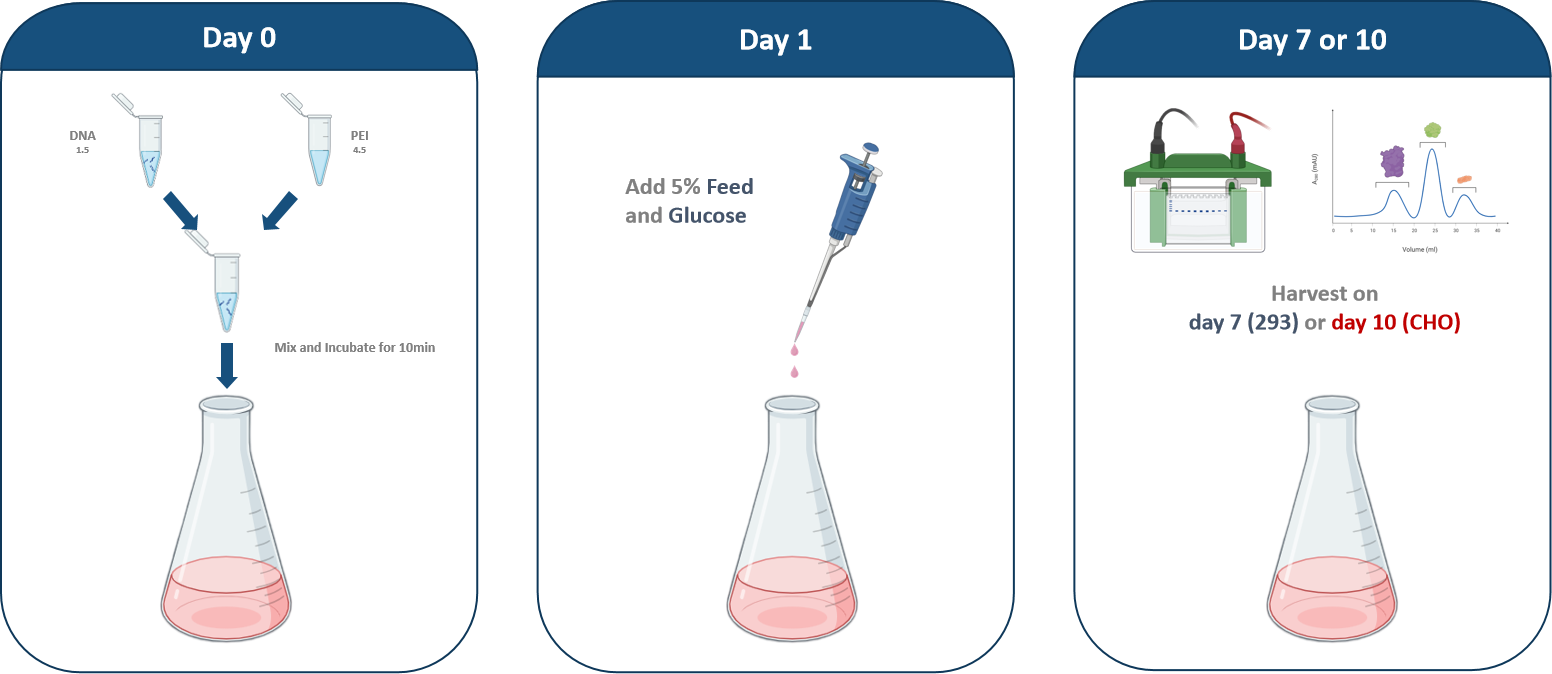
Let me break down the core concept quickly: media formulation influences cell viability, metabolite accumulation (ammonia, lactate), and the need for tight bioreactor control. These are not abstract terms — they are levers. If you change media, you change feed strategy, dissolved oxygen setpoints, and sometimes even harvest timing. (No drama—just data.) This sets up the real question: should you keep buying the same generic lots, or compare formulations with real metrics? Next I point out where most teams go wrong.
Traditional solution flaws — why the obvious choice often fails
I will be direct: many procurement teams pick cho cell culture media based on price and lead time, not on performance in their specific process. I have watched a contract manufacturer in Penang choose a cheaper serum-free media in 2018 to cut costs; three months later their batch failure rate rose from 4% to 11% and we lost two planned deliveries. That cost more than the savings. The flaw is structural — standard specs do not capture process-specific needs like feed compatibility or sensitivity to glutamine breakdown. Fed-batch profiles and metabolite profiling matter; cheap media that causes ammonia accumulation will force earlier harvest or additional filtration steps.
(True story — I still recall loading a truck at 5am to rush in a fresh reagent.) Another flaw is reliance on a single vendor without performance trials. I prefer side-by-side runs: run ActiCHO P or CD OptiCHO (or your current standard) in parallel for three consecutive runs, measure titer, cell viability, and lactate clearance. If you do that, you will see differences that raw spec sheets hide. These are concrete tests — not marketing claims.
How much difference do you need to care about?
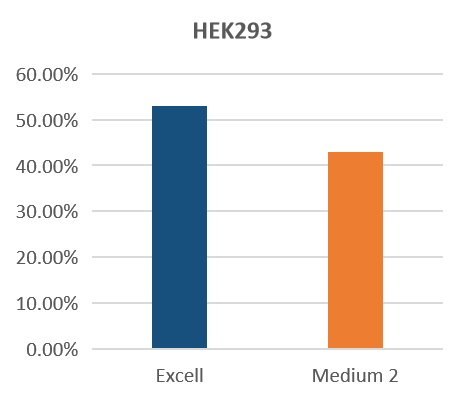
If a change in media gives you +10% titer, that can translate directly to capacity relief and a cut in per-dose cost. I have seen +18% lift reduce a project timeline by two weeks in a small facility — measurable, not hypothetical. Keep your metrics tight: titer (g/L), viability (%), and metabolite levels (mM ammonia/lactate). These three tell the story.
Comparative, forward-looking choices and three practical metrics
Now we look forward. Having noted the flaws, I compare paths: stick with the incumbent, run in-house optimization, or partner with a specialist for custom formulation. I prefer the third when you have scale — we piloted a custom blend in Johor Bahru across four 50 L bioreactors in March 2021 and saw consistent improvement in product quality attributes. cho cell culture media customization is not always expensive; sometimes small tweaks in amino acid balance and trace elements fix glycosylation heterogeneity. That said, you must measure results — not promises.
Here are three metrics I insist teams use when evaluating media choices: 1) normalized titer gain per run (g/L change versus baseline), 2) cell viability at harvest (%) and the frequency of rework, and 3) downstream load impact (change in HCP removal or filtration cycles). Use these to compare suppliers or in-house blends. If you track these for three consecutive batches, you will have a defensible decision. — Odd, but effective.
What’s next for your program?
Start with a two-tiered plan: a short bench screen (3–5 mL) for quick elimination, then a scale-up in the same bioreactor platform you’ll use commercially. I know teams dislike extra steps, but I have repeatedly seen bench-only choices fail at 200 L. Make a checklist: compatibility with fed-batch feed, measured ammonia response, and consistent lot-to-lot performance over three months. No guesswork — only chosen metrics.
To close, evaluate vendors and blends against your real numbers, not glossy specs. I have done this for clients in Peninsular Malaysia and Singapore and the result is clear: small investments in evaluation reduce downstream surprises and cost. For practical help and validated formulations, consider partners who can share data and run pilot lots with you — that is the path I recommend. For trusted supplier options and further reading, see ExCellBio.