



Introduction — a quick, strange future
Have you ever wondered what a small workshop might look like in ten years, when printers hum like studio pets and air quality monitors blink like city stars? I ask because I keep thinking about the quiet danger that hangs over a spool of filament — tiny particles you can’t see but that your lungs can feel. A 3D printer fume extractor sits between the machine and the room, filtering fumes and particulates, yet we still treat it like an afterthought.
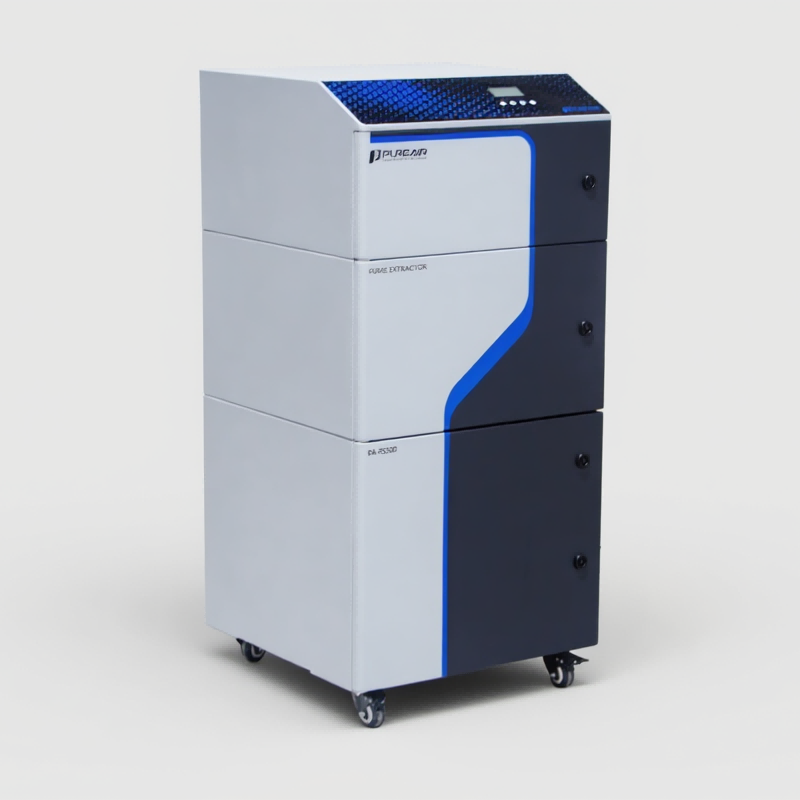
Picture this: a maker lab where sensor arrays log VOC spikes and space-age HEPA filters kick on as filament melts — data shows that unfiltered prints can raise particle counts by hundreds of micrograms per cubic meter during a single run (yes, the numbers matter). So how do we design systems that actually protect people, not just check boxes? I’ll walk you through my take on the problem — practical, a little speculative, and human. — funny how that works, right?
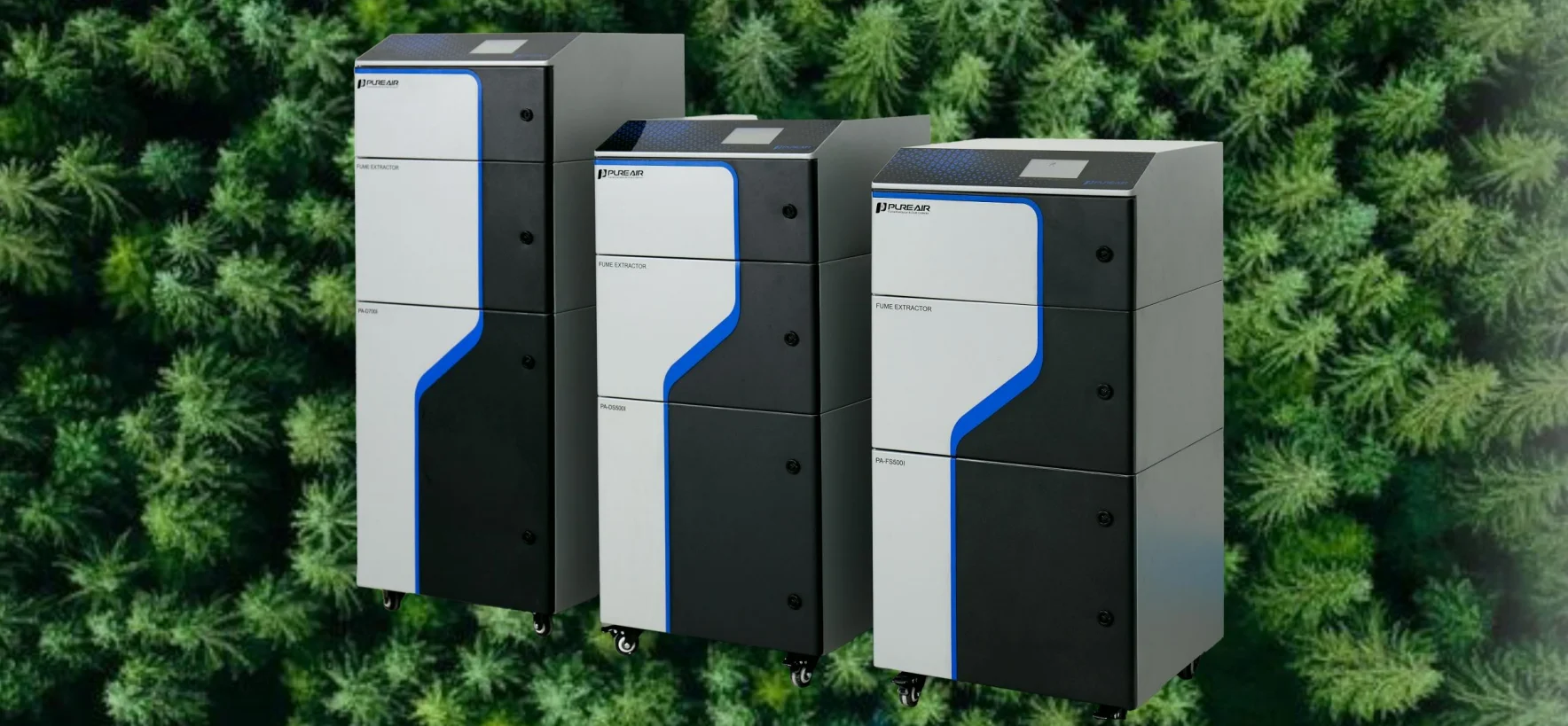
We’ll move from the user’s seat to the hardware and back again, and by the end you should feel ready to ask better questions about fume extraction and air flow. Next: where the usual solutions fail, and why that matters.
Part I — Why traditional fixes fall short for 3D print dust collection
3D print dust collection systems are sold as neat, boxed answers. But I see three common gaps when I visit labs or chat with makers: poor capture at the source, filter mismatch, and ignored maintenance. Most off-the-shelf extractors rely on a generic fan and a HEPA or activated carbon pack. That helps—yet it doesn’t stop ultrafine particles from escaping during high-temperature prints, nor does it address ozone or specific VOCs released by some filaments. Look, it’s simpler than you think: suction strength (airflow rate), filter selection (particulate filtration vs. sorbent), and proper hood design are the real players.
What exactly fails in practice?
First, capture efficiency drops if the hood is too far from the nozzle. Second, filter life is often shorter than vendors claim; clogged media reduces airflow and raises noise. Third, users rarely measure filter efficiency or replacement intervals — so an exhausted filter gives a false sense of safety. I’ve tested units where power converters and cheap blowers were the weak link: they heat up, slow down, or fail without warning. So yes, those small cost savings can turn into big risks. We need smarter designs that match real printing habits and material chemistry — not just a one-size-fits-all cartridge. — and that’s exactly the sort of detail people skip.
Part II — Principles for next-gen 3D print dust collection
Moving forward, I prefer to think in principles rather than buzzwords. For effective 3D print dust collection, prioritize source capture, layered filtration, and system monitoring. Source capture means a hood or shroud placed within a few centimeters of the nozzle to intercept fumes before they disperse. Layered filtration often combines a pre-filter (to catch larger particulates) with HEPA for ultrafines and activated carbon for VOCs. Add a sensor suite for particle counts and VOC levels — yes, small edge computing nodes can make a big difference — and you get real-time assurance.
We should also demand smarter fans and reliable power converters. Variable-speed blowers let you tune suction to print size and filament type. And predictive maintenance — based on sensor trends — keeps filters effective longer and avoids surprise failures. I recommend systems that expose simple metrics: face velocity, filter differential pressure, and estimated remaining life. If a vendor can’t show those, walk away. I feel strongly about this — because I’ve seen shops where complacency was the weak link.
What’s next: practical steps and metrics
Here’s how I’d evaluate a solution in the near term: test capture at the nozzle with a particle counter, check filter efficiency for both particulates and VOCs, and verify that the system reports airflow and filter status. Three metrics to weigh: capture efficiency (%), filter efficiency by particle size, and system uptime/maintenance cadence. These measures give you both safety and cost predictability — and yes, they finally make the extractor part of the workflow instead of a forgotten box in the corner. — funny how that works, right?
Conclusion — choosing wisely, with a human touch
We’ve covered why many standard extractors underperform, what hidden pains users face, and the basic principles that should guide new designs. I’d sum it up this way: don’t accept low capture, generic filtration, or silence on monitoring. Ask for data. Demand source capture. Expect layered filters and clear maintenance signals. If you do those things, you reduce exposure and keep your makerspace or lab running smoothly — measurable results you can track over time.
To close, here are three evaluation metrics I personally use when I test or recommend systems: 1) nozzle capture efficiency under typical print conditions, 2) combined particulate and VOC filter efficiency, and 3) sensor-backed maintenance alerts (filter differential and particle/VOC trends). Apply them, and you’ll separate marketing from real protection.
For practical products and more specs, check out PURE-AIR. I’m convinced that with the right questions, we can make 3D printing safer and more reliable for everyone.
