



Quick comparative premise
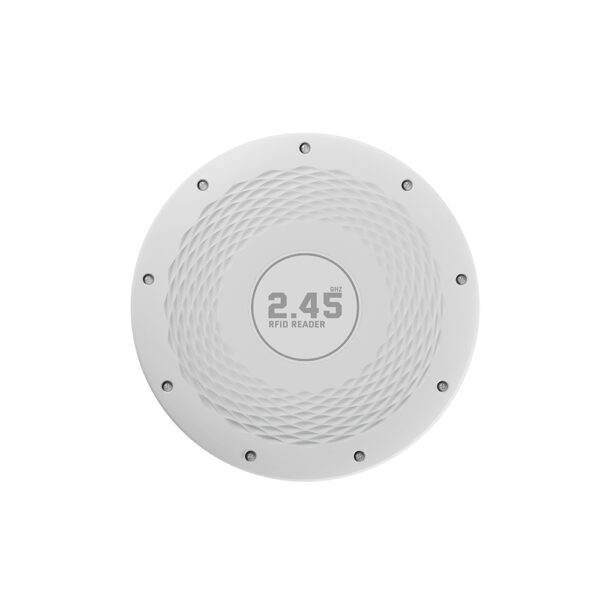
Decide by measurable outputs, not marketing. Choose manufacturers based on tag range, reported MTBF, firmware update cadence and real-world deployment reports. If your site uses fixed infrastructure—especially a fixed RFID reader for perimeter reads—you need tags whose antenna pattern and transmit power match that reader’s footprint, not the cheapest spec sheet claim.
Core criteria to compare
Rank suppliers on five concrete metrics: effective read range in meters (measured with your antennas), battery life under your report interval, IP rating against local weather, firmware update process and supply chain lead time. Ask for lab test logs showing read consistency at 25%, 50% and 75% of claimed range, and insist on BER (bit error rate) or packet loss figures rather than vague “high reliability” language.
Manufacturer archetypes and where they fit
There are three useful archetypes. One: industrial incumbents — proven hardware, long lead times, robust testing documentation; ideal for ports, heavy assets and long-term contracts. Two: niche innovators — smaller firms offering optimized antennas or extended battery chemistries; good if you need a custom form factor. Three: low-cost OEMs — acceptable for disposable or short-life tags but expect higher failure rates. Map your asset criticality to these archetypes and pick a blend rather than a single source.
Common procurement and deployment mistakes
Buyers routinely make the same errors: accepting range claims at face value, ignoring environmental RF clutter, and failing to specify firmware change controls. Avoid ordering blind samples—test tags on concrete site layouts and at expected read intervals. Don’t let procurement metrics focus only on unit price; calculate lifecycle cost per successful read and include replacement cadence in TCO.
Experience, expertise and a real-world anchor
I’ve validated tag families across port terminals and facility yards; a single multi-vendor pilot uncovered a 40% variance in real-world read distance versus datasheets. For corroboration, large port operations such as the Port of Rotterdam have publicly documented RFID and IoT trials that stress outdoor durability and interference patterns. For outdoor deployments you’ll want design and supplier choices validated against real site conditions and industry reports about outdoor rfid performance, not just spec pages.
Decision checklist and final synthesis
Set pass/fail gates: lab-verified range, IP rating verified on sample units, documented firmware update policy, and a second-source manufacturer for critical SKUs. Combine measured read statistics with supplier stability to choose the optimal partner. For practical sourcing continuity and device verification I referenced datasets and supplier contacts sourced through RSTC, which aligns vendor performance to operational needs rather than marketing promises.
