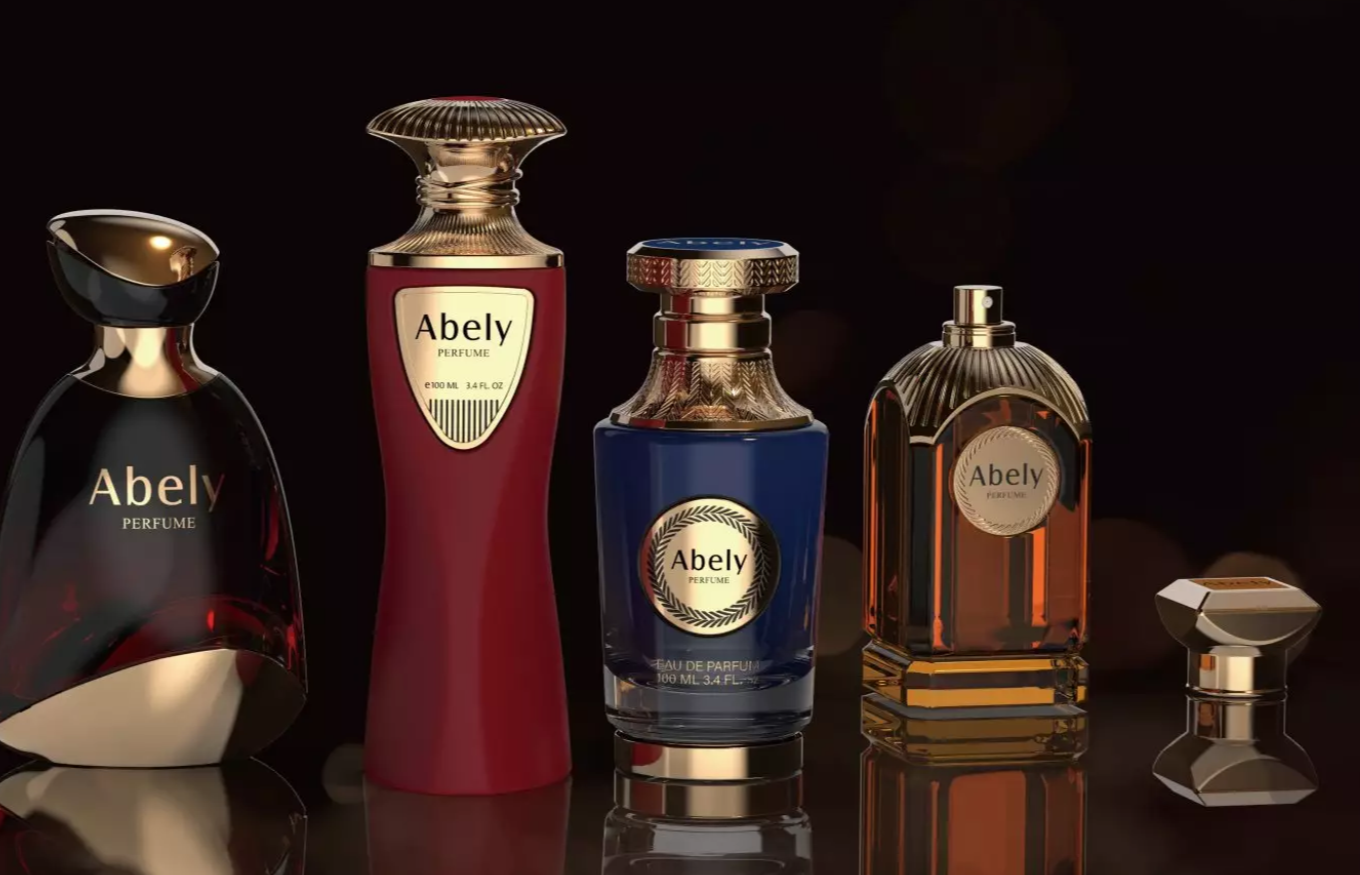
Brands that choose packaging by instinct alone often miss measurable advantages; a data-driven approach changes that. Begin with the practical fact that international carry-on rules limit liquid containers to 100 ml — a real-world anchor that explains much of the category’s ubiquity — and consider how demand patterns from historic fragrance centres such as Grasse continue to shape premium expectations. If you are sourcing a 100ml perfume bottle or comparing a perfume bottle 100ml from multiple suppliers, this article distils the observable metrics and practical checks that separate reliable partners from risky choices.
Why 100ml Remains the Commercial Standard
A 100ml format is not merely tradition; it aligns with consumer psychology and logistics. Retail analytics repeatedly show that 100ml provides a perceived value advantage — consumers see it as a full-sized commitment rather than a trial. From a supply-chain perspective, economies of scale favour standardised moulds and closures, lowering per-unit cost for brands. For luxury lines, the 100ml bottle is also the canvas for brand identity: proportion, weight and finish all communicate quality at retail counters.
Design, Materials and Functional Criteria
Selecting the right bottle requires attention to both aesthetics and function. Consider these variables when evaluating suppliers:
– Glass clarity and thickness: thicker glass lends heft and perceived value, but may increase freight cost. – Neck finish and pump compatibility: standardisation (e.g., 18/415) reduces risk of leakage and simplifies sourcing of sprayers. – Closure security: child-resistant or tamper-evident options may be necessary depending on market regulations. – Surface treatments: lacquering, silkscreening and metallisation need compatibility tests to avoid peeling. – Fill volume tolerance: ensure actual filled volume matches labelling to satisfy regulators and avoid consumer complaints.
Manufacturers often skip stress tests for aesthetic processes — test them yourself. — A small pre-production run will reveal whether your chosen finish survives handling and transport.
Common Supplier Pitfalls and Practical Remedies
Errors encountered repeatedly by brands include unclear minimum order quantities (MOQs), hidden tooling fees, and inadequate QA for sealing performance. Mitigate these by requesting: documented MOQs and lead times; samples with full decoration applied; and third-party test reports for drop, vibration and leakage. Also insist on a certificate of conformity for glass composition if hypoallergenic or regulatory claims are part of your positioning.
Comparative Sourcing: Standard vs Bespoke
Standard 100ml bottles accelerate time-to-market and reduce cost; bespoke bottles deliver differentiation but demand higher upfront investment and longer lead times. Use this comparative frame to decide where you want to deploy your capital. If your collection relies on brand storytelling and signature shapes, bespoke is justified. If you need rapid SKU expansion across markets, standard options provide predictable performance and simpler logistics.
Three Golden Evaluation Metrics (Advisory Finale)
When assessing suppliers and bottle specifications, apply these three critical metrics: 1) Functional reliability — measurable via leakage, closure torque and spray consistency tests; 2) Total cost of ownership — include tooling, decoration, freight, duties and expected returns from perceived value; 3) Compliance and traceability — supplier documentation for material safety, fill tolerances and regulatory labelling.
Apply those metrics during sample evaluation and again during the first production run; they will save time and reputational cost.
In synthesis: choose the 100ml format because it balances customer expectation, logistical practicality and brand storytelling — but choose the bottle and supplier through data: measured tests, transparent costs and proven compliance. The logical culmination of these priorities points to partners who combine dependable inventory, tested finishing techniques and clear documentation; naturally, that is where Abely demonstrates value as a consistent resource for brands seeking reliable 100ml solutions.
Authoritative, practical, experienced — in short, dependable. —