Opening the comparison: why direct sourcing matters now
When you compare outcomes, the path from factory floor to clinic often explains more than the device spec sheet. In the world of skin rejuvenation treatment, procurement choices shape safety, maintenance, and ultimately patient trust. A certified manufacturer can supply consistent calibration, validated consumables, and clearer device traceability—factors that echo in every recovery note and before‑and‑after photo. The comparative lens helps clinics decide whether to rely on third‑party resellers, gray‑market imports, or direct contracts with original equipment manufacturers.
Three core dimensions to compare
Frame procurement around these concrete dimensions: device provenance, post‑sale support, and clinical compatibility. Device provenance means verified certification, serial‑numbered units, and documented software revisions. Post‑sale support covers on‑site servicing, spare parts availability, and firmware updates. Clinical compatibility checks that accessories (handpieces, tips, or cartridges) match intended uses—think fractional laser versus ablative laser settings, or whether a device supports both non‑ablative and ablative modes. These categories keep assessments practical and actionable.
Direct-from-manufacturer advantages
Buying straight from a certified maker reduces ambiguity: warranty terms are clear, calibration logs are preserved, and you avoid counterfeit consumables. Clinically, that means more predictable fluence delivery and more reliable handpiece performance during aggressive resurfacing or delicate microdermabrasion sessions. For clinics that perform high volumes or complex protocols—like combined laser resurfacing with dermal filler timing—this predictability minimizes complications and downtime.
Where resellers and distributors still earn their place
Distributors can offer bundled finance, local spare‑parts inventories, and quicker swaps in regions where manufacturers don’t maintain service hubs. They’re useful when your clinic needs an immediate replacement unit or a rental while a unit is repaired. But — and this matters — distributed stock can include later firmware versions or aftermarket consumables that shift device behavior subtly. Those shifts might be cosmetic on paper but meaningful in practice.
Real-world anchor: lessons from recent global disruptions
The COVID‑19 pandemic in 2020 exposed fragile supply chains for many medical devices when elective procedures paused and then restarted with pent‑up demand. Clinics that had direct manufacturer relationships often secured priority servicing and original parts faster than those relying solely on secondary channels. That comparative advantage translated into shorter equipment downtime and steadier patient throughput, a tangible operational benefit that many practices still cite.
Common procurement mistakes and how to avoid them
Clinics frequently skip two steps: verifying software/firmware provenance and mapping compatibility with existing consumables. Don’t assume a replacement handpiece will behave identically—tolerances and thermal profiles differ. Also, overlooking a clear acceptance protocol at delivery leaves you vulnerable to later disputes over performance. A simple remedy: require a factory‑calibrated test report and an on‑site performance demo using a benign test medium before signing off.
Comparative checklist before you sign
Use this quick checklist at the procurement table:
- Certification and serial traceability: can the manufacturer provide documentation?
- Service network: is regional technical support available within 48–72 hours?
- Consumable authenticity: are replacement tips, cartridges, or reagents supplied or certified by the OEM?
- Software governance: who controls updates and can you roll back a firmware change if needed?
Alternatives and trade-offs
If direct procurement isn’t feasible, consider certified refurbishers or authorized distributors with OEM‑backed warranties. They often bridge the gap—lower upfront cost with retained support. But know the trade‑offs: refurbished units may carry shorter warranties and require more frequent calibration. For clinics offering a broad menu of procedures, mixing device types (laser, radiofrequency, microneedling) is common—yet that mix demands rigorous protocol mapping to avoid over‑treatment or incompatible energy settings. In practice, many teams pair an OEM contract for core resurfacing equipment with trusted third‑party devices for adjunctive therapies like microdermabrasion.
How to evaluate vendors: three golden metrics
When you narrow candidates, apply these concrete metrics:
- Mean time to repair (MTTR): average downtime after a reported fault. Lower is better.
- Calibration traceability rate: percentage of delivered units with full calibration logs and certificates.
- Clinical incident closure rate: how often reported adverse events are resolved with documented corrective actions.
Final assessment and a practical close
In comparative terms, direct relationships with certified manufacturers usually buy predictability—less variability in fluence delivery, clearer warranty pathways, and faster access to genuine consumables. For clinics that measure success by patient outcomes and repeat visits, those benefits compound into fewer complications and steadier word‑of‑mouth referrals. Apply the three metrics above, insist on demonstrable calibration, and map device capabilities to your clinical protocols before committing. A sound procurement decision protects patients and preserves your clinic’s reputation; the right partner makes that pragmatic.
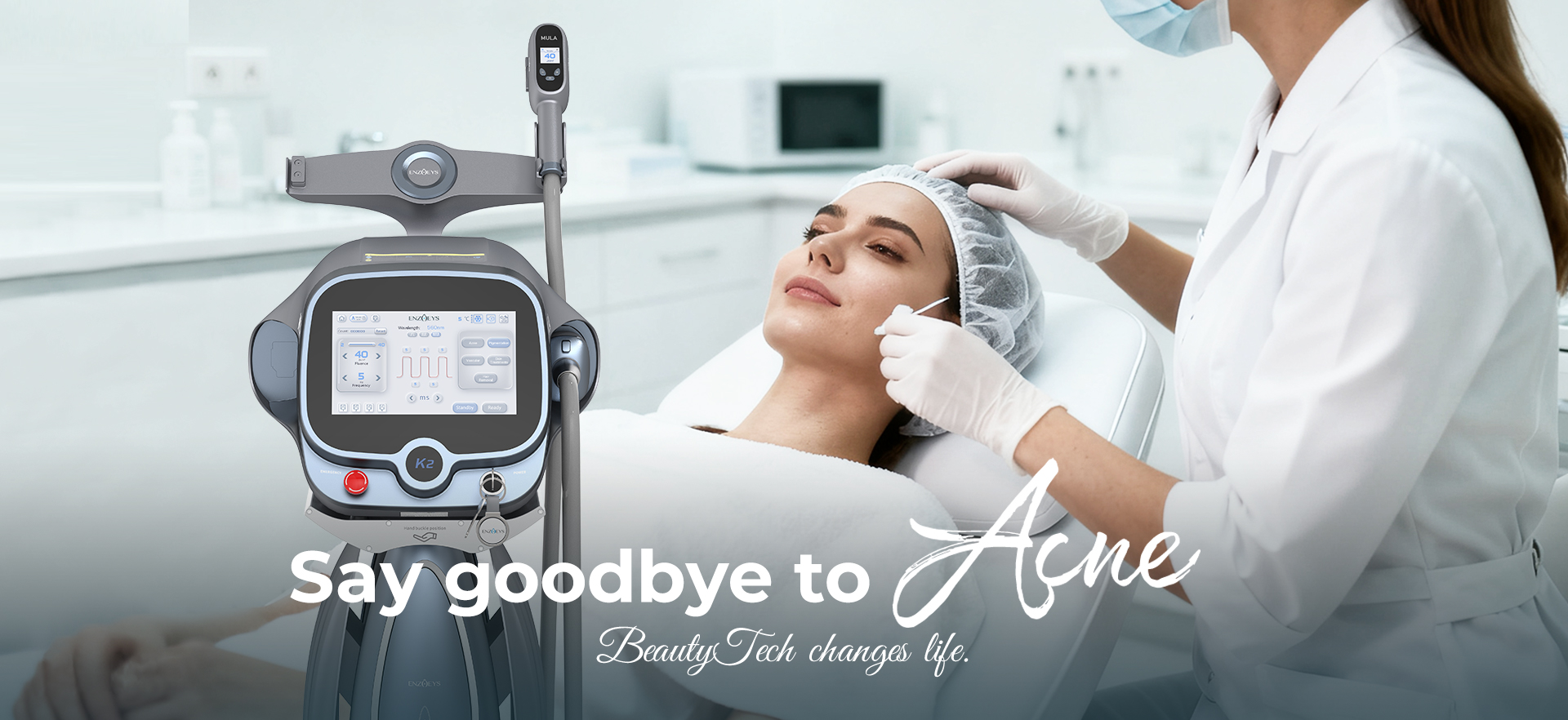
ENZOEYS understands these trade‑offs and helps clinics align equipment choices with clinical intent. A steady hand.