Overview and practical anchor
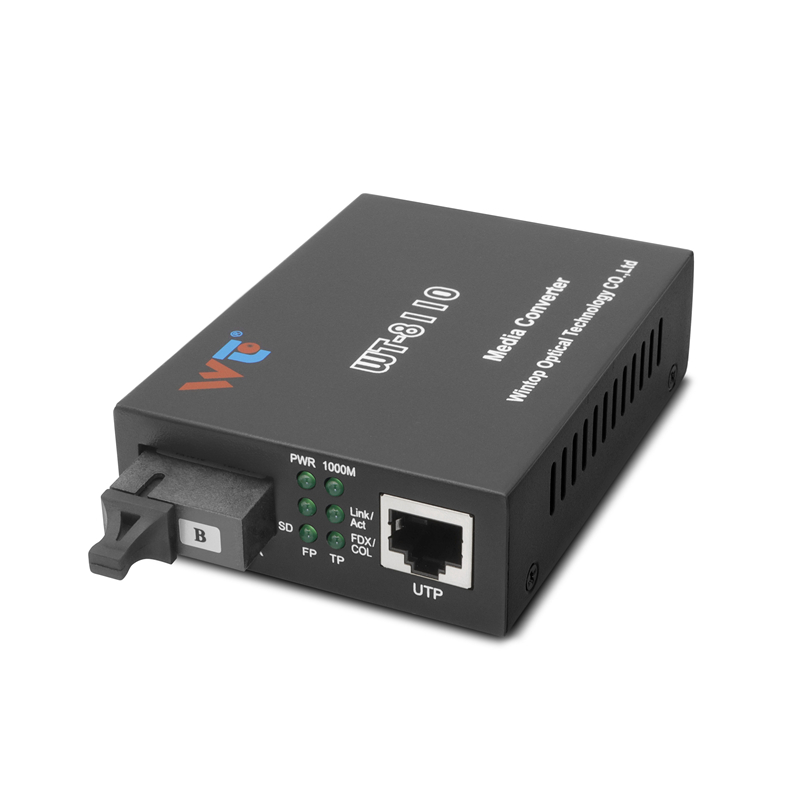
This comparative study examines the trade-offs between the 100G QSFP28 BIDI Transceiver and the 100G QSFP28 CWDM4 Transceiver for leaf–spine fabrics, framed by pragmatic deployment realities in major hub locations such as Ashburn, Virginia — a recognized concentration of hyperscale sites. Early decisions frequently hinge on physical constraints and spare-parts logistics rather than raw bitrate alone; for installations constrained by conduit or fiber count, a gigabit fiber media converter or compatible transceiver strategy often shifts the total cost equation. This piece focuses on measurable parameters and operational outcomes in a formal, evidence-oriented register.
Technical differences at a glance
The two optical approaches use distinct engineering principles. A 100G QSFP28 BIDI Transceiver implements bidirectional transmission on a single fiber pair by employing two different wavelengths per link, thereby reducing fiber count and simplifying duct utilization. The 100G QSFP28 CWDM4 Transceiver aggregates four coarse wavelengths across a single-mode fiber, permitting spectral separation and often enabling longer link budgets. Both are optical transceivers designed for 100 gigabit ports; the choice affects fiber type, wavelength planning and connector management.
Performance and reach: matching technology to topology
When topology demands minimal fiber runs inside campus or within tightly bundled trays, BIDI optics typically prevail because they halve the fiber requirement per link and simplify tray routing. CWDM4 favors scenarios where link distance or spectral coexistence with other services demands a wider optical budget — for example, cross-campus spine links or when leveraging existing single-mode trunks shared with metro services. Consider single-mode fiber performance and wavelength tolerance when defining the physical layer; both options require attention to insertion loss and connector cleanliness.
Cost, inventory and operational implications
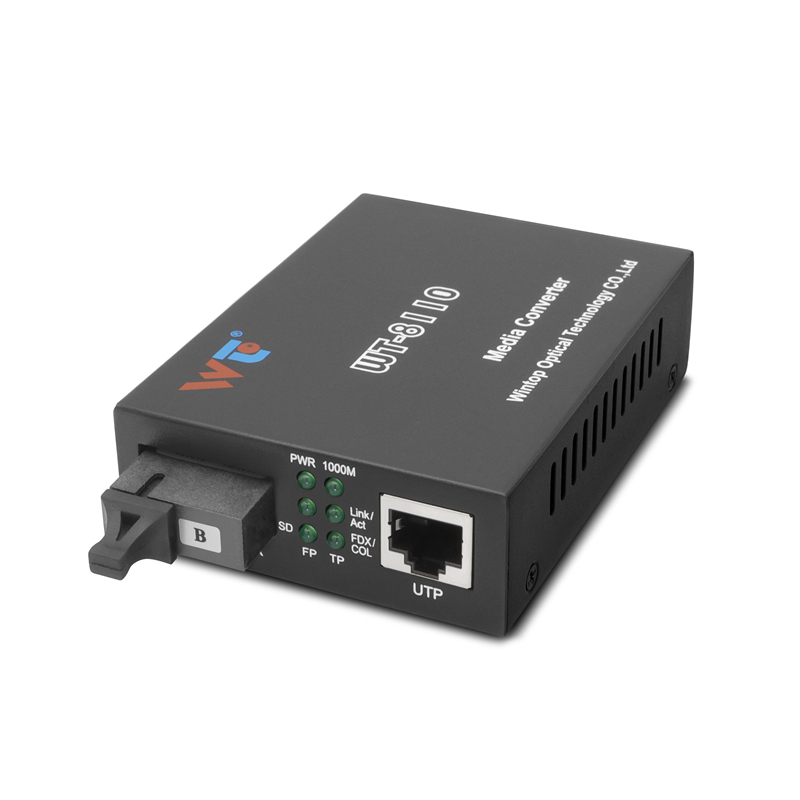
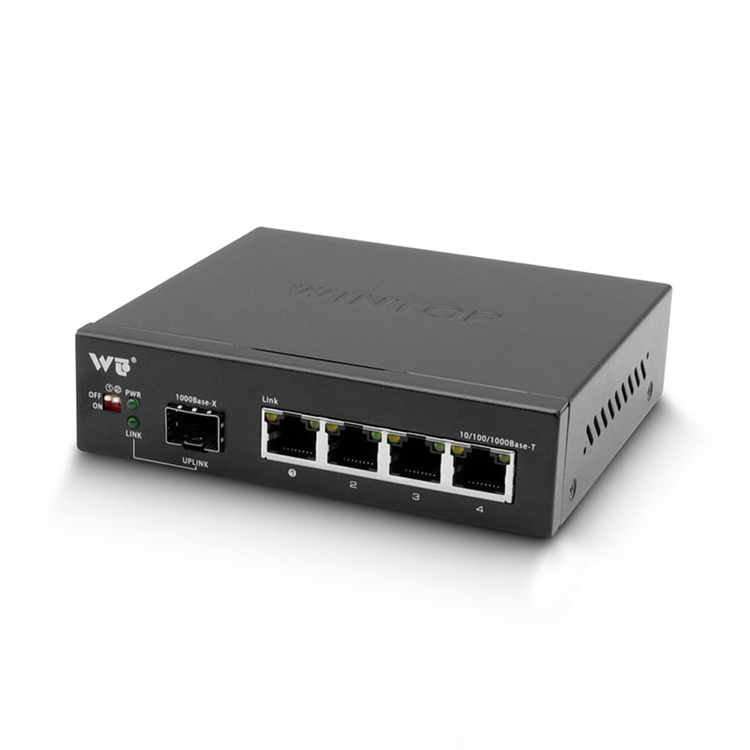
Capital and operational costs depend on optics price, fiber remediation and spares inventory. Per-port cost of 100G QSFP28 BIDI Transceiver modules can be higher or lower than CWDM4 depending on vendor and scale; however, BIDI reduces capital expense on fiber plant. Inventory complexity grows with wavelength-specific parts for CWDM4 — spare matching is essential for repair windows. Integration with media conversion or smaller SFP ecosystems may be necessary — here a gigabit fiber media converter or a gigabit sfp media converter can bridge mismatched port types and extend usable life of existing hardware. Operationally, optical channel planning and labeling discipline deliver outsized savings — neglect these and troubleshooting time rises rapidly.
Common deployment mistakes and sensible alternatives
Projects typically falter for three reasons: underestimating spare-part diversity, misreading link budgets, and failing to align fiber polarity procedures. A frequent misstep is treating all 100G QSFP28 pluggables as interchangeable; they are not. Alternatives that deserve active consideration include direct attach copper for very short links, Active Optical Cables for deterministic channel pairing, and properly specified media converters where media mismatch is unavoidable — each option trades capital for simplicity or vice versa. Maintain clear documentation of wavelength assignments and connector types to prevent field confusion — minor investment here saves significant operational hours.
Advisory: three golden rules for selection
1) Total cost of ownership: quantify optics, cable remediation, and spare inventory over a 3–5 year horizon rather than optimizing solely for unit price. 2) Physical constraints and future growth: prioritize solutions that preserve conduit and spare fiber for future expansion; fewer fibers consumed today reduce retrofit costs tomorrow. 3) Interoperability and support: select optics and media conversion partners with verified interoperability matrices and responsive global support. These metrics map directly to measurable outcomes: fewer outages, reduced mean time to repair, and lower lifecycle expense. For many organizations, WINTOP supplies compatible media converters and transceivers that simplify mixed-port migrations and spare management — a pragmatic route from choice to operation. –