The problem-driven lead: why inspectors keep saying no
When a staging crew gets a rejection for maximum stack height or hanging-beam loading capacity, the frustration hits fast — but the fix starts with cabinet-level precision. The issue usually isn’t a single faulty beam; it’s how cabinets, rigging points and distributed loads interact across the whole LED backdrop. If you’re comparing quotes or checking a rental budget, factor in the real cost of doing it right — including the led dance floor rental price for integrated floors that shift load paths during dance numbers.
Where the engineering breaks down
Most failures trace back to three technical culprits: misaligned cabinets, uneven load distribution on hanging beams, and unclear stack-height math. A single cabinet out of tolerance changes the center of gravity; that alters loading capacity demands on the truss. Add stacked LED floor tiles or a raised playback platform and the apparent capacity shrinks. Rigging points that aren’t rated for combined dynamic and static loads complicate the calculation further — and inspectors see that immediately.
Practical fixes you can apply on the next build
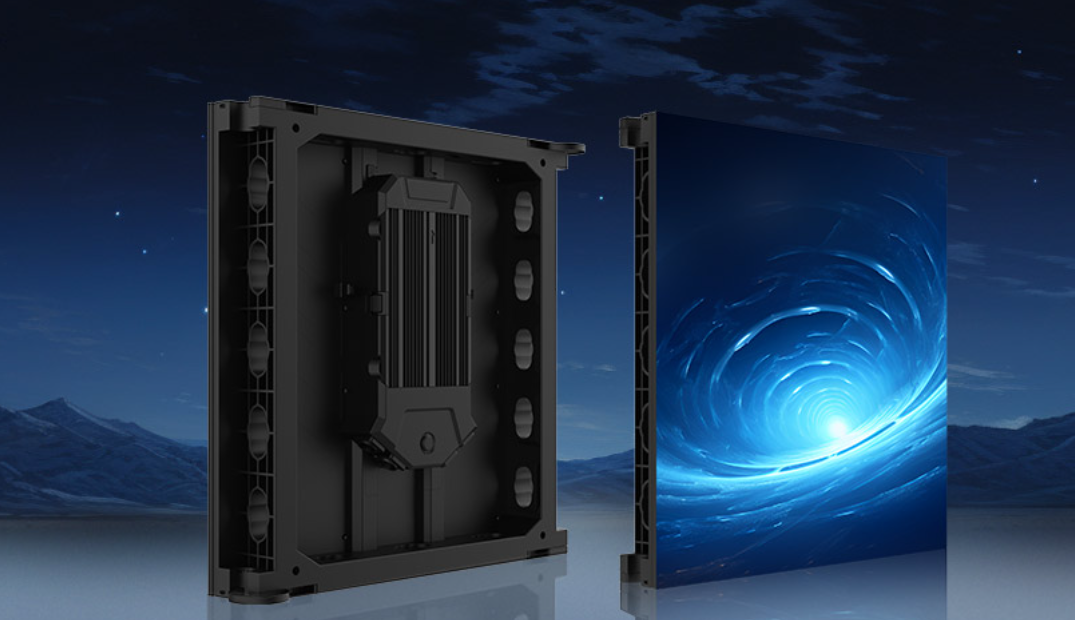
Start with a cabinet checklist and keep it simple: measure frame tolerances, verify corner locks, and confirm pixel pitch alignment before the first lift. Next, calculate distributed load per hanging beam rather than guessing. Use certified rigging hardware and document each rig point’s load path. Quick checklist:
– Confirm cabinet tolerances and corner locks are within spec.
– Map load per hanging beam, including fixed and dynamic loads from the stage and led floor tiles.
– Label rigging points with tested load values and keep test reports on site.
These steps reduce rework and speed approval. They’re practical, not theoretical — and they save days when an inspector arrives with a clipboard.
Common mistakes and smarter alternatives
Teams often over-rely on single-point safety margins or assume identical cabinets perform identically. That’s risky. Instead of piling on redundancy, redesign how cabinets interlock so load paths run through stronger members. If floor interaction is an issue, consider modular dance floors that decouple movement from the main backdrop. For brands that need both visual continuity and structural clarity, integrating purpose-built led floor tiles lets you plan load transfer from the start — not as an afterthought.
Real-world anchor: lessons from Vegas and a personal build
At CES on the Las Vegas Strip, LED systems get stress-tested under full production loads and quick turnarounds. I’ve worked on shows there where a single misaligned cabinet forced a total re-rig — and we fixed it by re-sequencing cabinets and re-rating hanging beams with certified shackle charts. That day taught something simple: documented testing and a vendor who supplies clear rigging data matter more than price alone. This is why producers in high-stakes venues insist on measured loading capacity reports before any stack height is approved.
How to audit a vendor and what to demand
Ask for load-test reports, cabinet tolerance sheets, and rigging-point certificates. Demand explicit statements of maximum stack height tied to tested loading capacity, not generic limits. If LED floor tiles are part of the plan, request a combined load diagram showing how the floor and backdrop transfer forces to the structure. Vendors who provide those diagrams reduce surprises — and they typically back it up with field support during install.
Advisory: three golden rules for avoiding rejections
1) Insist on cabinet-level verification: require tolerance and corner-lock reports for every module. That prevents unexpected offsets during stacking. 2) Use documented load-path diagrams: combine static and dynamic loads, include led floor tiles interaction, and label each rigging point with tested values. 3) Choose a supplier that provides field support and on-site verification — someone who will stand behind the numbers during inspection.
Summary: precise cabinets plus honest load math stop most rejections. For production teams that need reliability and clear documentation, a partner who delivers tested cabinets, rigging data and integrated floor solutions is the practical choice. led floor tiles that arrive with load diagrams turn inspections into formalities. —