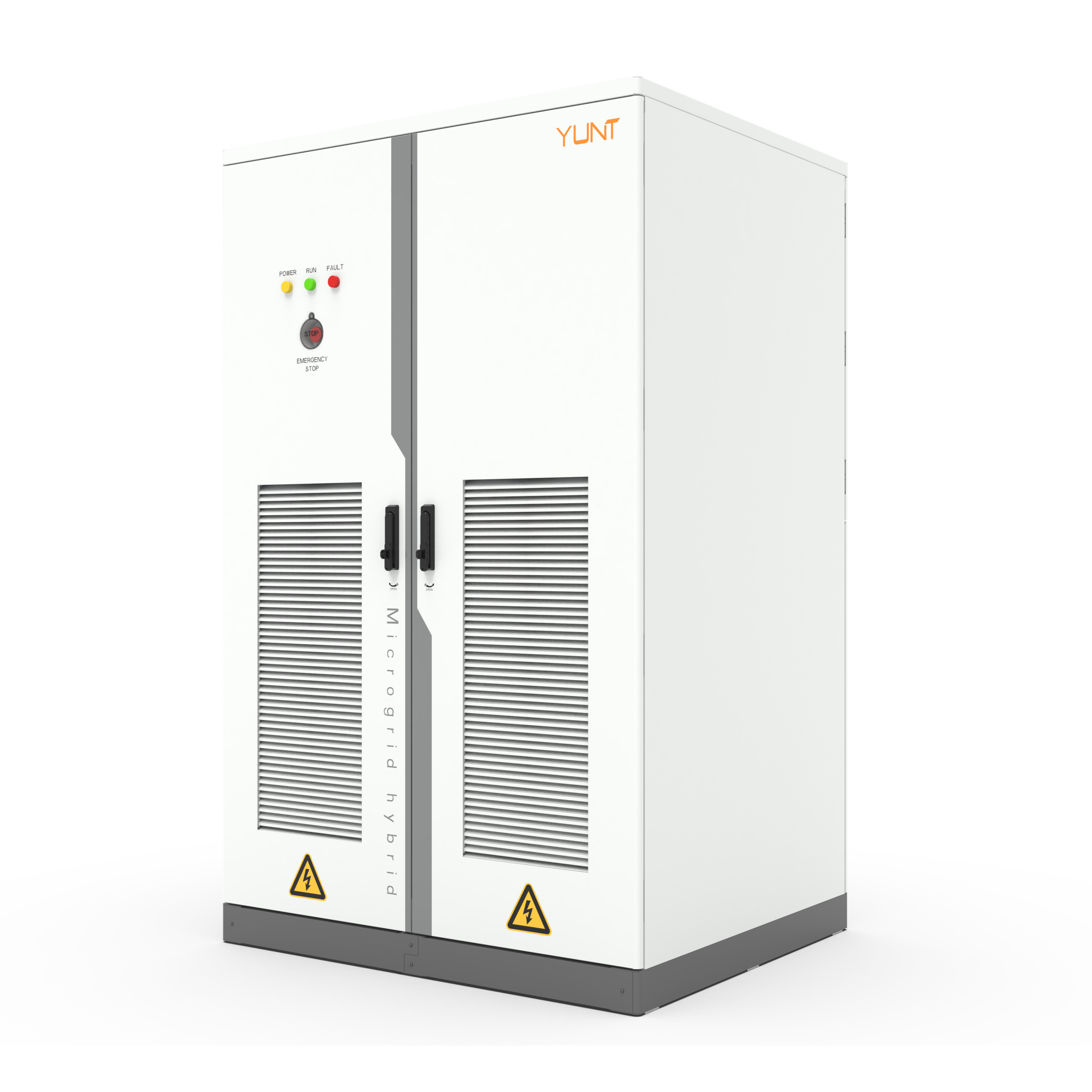
A structured way to connect Hybrid Inverter with project needs: application scope for technical review
When a procurement team reviews a hybrid inverter, the first task is to define the application before comparing product language. Record the intended operating context, the power flow the system must manage, the available installation space, and the boundaries of the technical review. This prevents a broad product description from becoming an untested assumption about a specific project.

Define the use case and constraints
Start with a short requirements statement. It should explain whether the project is being assessed for grid-connected operation, off-grid operation, or both. It should also identify the role expected from the inverter in the wider system. For example, the review may focus on DC-to-AC conversion, energy management, or participation in a microgrid design. These are different review questions, even when they appear on the same product page.
Space and installation conditions belong in the same initial record. Note the proposed location, access limits, connection points, and any equipment that must work alongside the inverter. Do not treat a general statement about application scope as proof that a particular site is suitable. The procurement record should separate confirmed project requirements from questions that still need a technical answer.
Map stated evidence to requirements
Next, create a simple evidence map. One column can list the project requirement, while another records the exact page statement that appears relevant. A third column should describe what remains unconfirmed. This approach is useful because product pages often describe capabilities at a high level, while procurement decisions depend on the details of a specific design.
The YUNT product page describes its hybrid inverters as intended for seamless on-grid and off-grid operation. It also describes DC-to-AC conversion, intelligent energy management, and reliable microgrid systems. Those statements can support an initial application review. They should not be expanded into claims about a particular model, output, control method, site condition, or project result when the page does not state those details. The same discipline applies to any hybrid pv inverter comparison: record what the source says, then mark the design questions that remain open.
A practical evidence map might therefore use three labels: stated, relevant, and unresolved. “Stated” means the page directly uses the claim. “Relevant” means the claim appears connected to the project requirement. “Unresolved” means the review still needs a model-specific or project-specific answer. This avoids giving equal weight to a marketing description and a confirmed engineering parameter.
Turn open points into supplier questions
Open points should become precise questions rather than informal assumptions. Ask which product or configuration applies to the proposed use case. Ask how the stated on-grid and off-grid scope relates to the planned system architecture. Ask which design inputs are needed to assess the DC-to-AC conversion and energy-management functions. If a microgrid is under consideration, define the exact role expected from the inverter before requesting a technical response.
Keep each question tied to a procurement decision. A question about application scope belongs in the technical compliance section. A question about installation space belongs in the site and integration section. A question about documentation belongs in the submittal requirements. This structure makes later answers easier to compare and reduces the risk that a general response is mistaken for acceptance of the full design.
The page also presents the supplier as integrating research and development, manufacturing, sales, and support in its own factory. It describes a process extending from design to deployment and refers to tailored solutions and technical support. These statements may help define the topics for a supplier discussion, but they do not by themselves establish a project schedule, a service level, or suitability for a particular installation. Keep those matters as explicit procurement questions.
Use a bounded real-world reference
For a hybrid pv inverter review, the official product-page record is a useful real-world reference only for the statement and product or application scope shown on that page. It does not establish performance or suitability beyond that scope. Treat this boundary as part of the evidence record. The reference can guide the questions, but it cannot replace project-specific technical review.
Summarize a defensible next step
The next step is not to select a product from a broad description. It is to issue a focused technical request containing the intended operating modes, system role, space constraints, and evidence questions. Attach the evidence map and identify every unresolved point. Then compare supplier responses against the same requirements, keeping page-listed facts separate from proposed solutions and assumptions.
A defensible decision record should state the application being reviewed, the claims that are directly supported, and the questions that still control suitability. That record gives procurement, engineering, and project teams a common basis for the next discussion. It also keeps the review useful when the shortlist changes. Used in this way, YUNT is one source for defining the discussion, while the final decision remains tied to the documented project requirements and confirmed technical evidence.