



Know what problem you actually need solved
You want reliable reads where items move fast or hide behind metal, and you don’t want surprises during rollout. Start by listing the real tasks: range needed, read density, tag life, and environmental hurdles. If you plan fixed portals or gate reads, consider pairing 2.4 GHz active tags for long-range presence detection with UHF RFID Readers for dense item identification — they play different roles, and using them together often solves the real-world mix of speed and granularity.
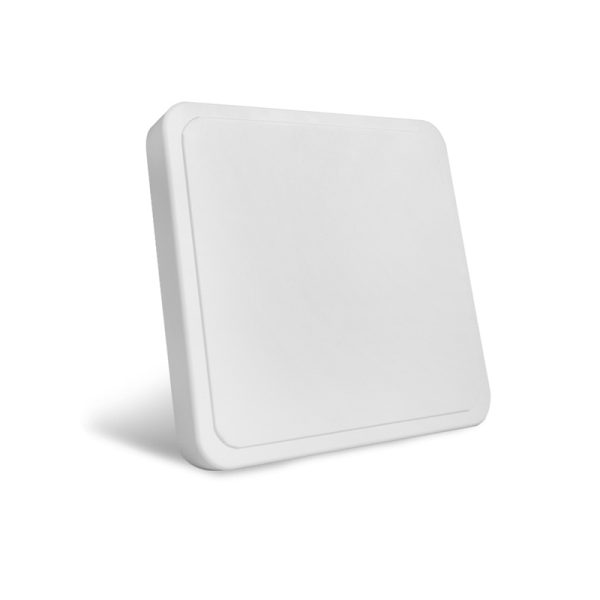
What customers trip over — common mistakes to avoid
Picking a tag or reader on price alone. Installing antennas without mapping RF hotspots. Ignoring power management for active tags. Forgetting how metal and water change read patterns. Skipping phased field tests until peak load. Each mistake adds cost and time; plan small pilots, measure read rates, and adjust antenna angles and firmware before scaling.
How to decide between 2.4 GHz active tags and UHF passive tags
Choose 2.4 GHz active when you need multi-hundred-meter presence, continuous beaconing, or tag-side sensors (battery-powered). Opt for UHF passive when you need low-cost item-level IDs, high-volume reads at choke points, or tag longevity without battery swaps. If you need both presence and item detail, combine them: use active tags to flag an area or pallet, then let UHF handle the per-item inventory scan.
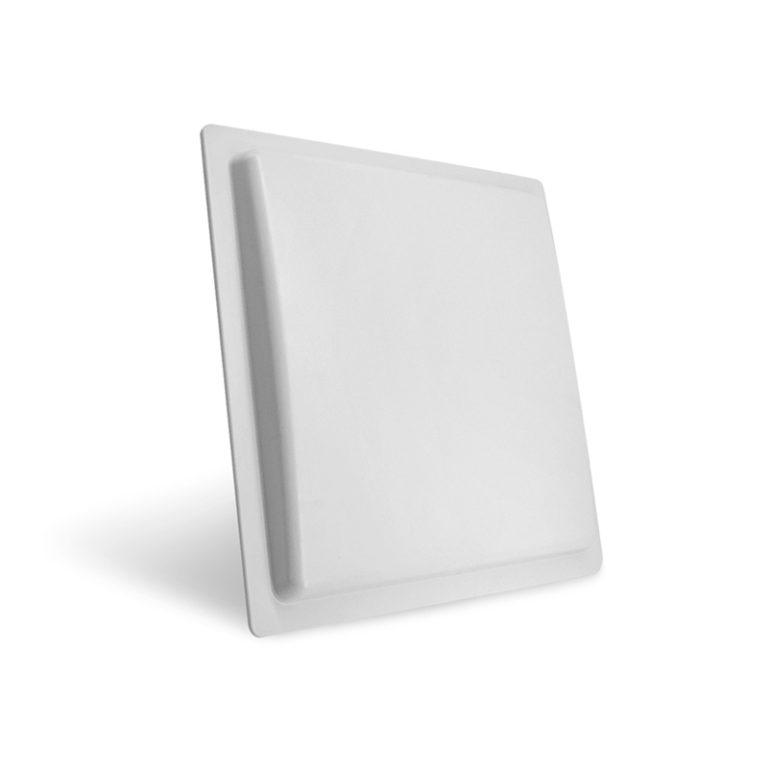
Real-world grounding and experience that matters
Practical deployments in large port logistics — for example, trials documented at the Port of Rotterdam — show how mixed-frequency setups reduce misreads and speed throughput; that industry-level evidence aligns with vendor and standards guidance. My consulting work across warehouse and retail projects has focused on repeatable test plans and measurable KPIs, supported by standards such as ISO 18000-6C; for reader selection that balances range and anti-collision, the tested choice is often the ultra high frequency rfid reader because it reliably handles dense tag populations when integrated thoughtfully.
Quick implementation checklist
Define success metrics (reads per minute, inventory accuracy). Run a scope pilot across worst-case zones. Log RSSI and read time per tag. Tune antenna placement and power; update firmware for anti-collision and filtering. Verify battery life and replacement plan for active tags. Validate integration to backend systems and monitor first-week performance closely.
How this comes together for practical operations
Match tools to the job: use 2.4 GHz active tags where presence and long range matter, rely on UHF for bulk item reads, and run focused trials to eliminate surprises. That approach produces predictable, repeatable results and lets teams keep operations flowing while improving inventory clarity — the pragmatic work that partners like RSTC routinely support in real deployments.