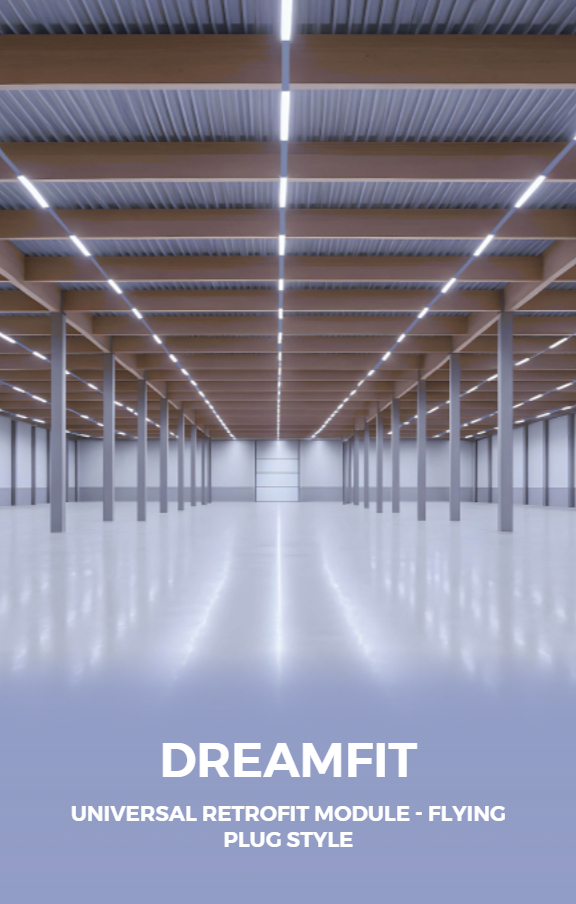
Why your floor still feels like a cave
Most factories suffer from the same four problems: poor visibility, blinding glare, wasted energy, and surprise downtime. You notice this in assembly lines where workers squint or slow down, near inspection stations where defects get missed, and in aisles where forklifts barely see pallet edges. A smart start is swapping mismatched fixtures for a continuous, controllable run like a linear track light, but the fix isn’t just hardware — it’s matching the light to the task and the workflow. This piece uses that problem-first view to help you spot what’s actually causing production slowdowns and how to fix it without guesswork.
First, diagnose the real issues
Don’t buy lights because they look modern. Look for measurable problems:- Uneven illumination: parts of the line are bright, others are shadows.- Color errors: poor CRI makes finished parts look different under quality checks.- Glare: fixtures aimed wrongly or too bright for reflective surfaces.- Heat and maintenance: bulbs that die often or need constant ballast swaps.Walk the line during peak shift and note where errors or slowdowns happen. That tells you where lighting is a root cause, not just a symptom.
Practical fixes that actually change outcomes
Fixes follow the diagnosis. For most problems, these moves work:- Continuous runs of focused fixtures over workstations to remove seam shadows.- High-CRI LEDs for inspection points so colors and finishes read true.- Tunable color temperature where processes change (assembly vs. inspection).- Zoning and dimming controls to cut energy and adjust for day/night shifts.One reliable option for clean, directional coverage is led linear track lighting, which gives you slim profiles, modular runs, and easy aiming — useful where different tasks sit side by side.
Real-world context: what the industry notices
At major shows like Light + Building in Frankfurt, manufacturers demo how continuous linear systems reduce glare and simplify maintenance on production floors. Engineers there compare thermal performance and control options, because long runs need consistent color and minimal flicker. That consensus matters: it’s where specifiers and plant managers see side-by-side proof that linear runs beat scattered fixtures for many applications.
How to choose without getting sold junk
Ask specific questions. If a rep avoids them, walk away.- What’s the fixture’s Delivered Lumens per Watt at expected ambient temperature?- What CRI and R9 values does it actually hit? (R9 matters for reds.)- How does the system handle drive-current and thermal management?- Is the track modular for future re-aiming or equipment changes?Document tasks per zone first — reading, assembly, inspection, storage — then match lighting specs to those tasks. Cheap LEDs often save upfront money and cost more later in rework and replacements.
Common mistakes that keep factories stuck
People keep repeating the same errors:- Over-lighting a whole room instead of zoning properly; that wastes energy and creates glare.- Ignoring mounting height and aiming; even good fixtures fail if aimed wrong.- Skipping photometric layouts; don’t guess coverage — model it.- Treating emergency lighting as an afterthought; it needs integration with normal lighting to avoid dark spots during shifts.Fix these, and you’ll see immediate improvements in safety and throughput.
Quick checklist before you commit
Run this checklist on any bid:- Measured lux targets by task, not guesses.- Photometric files and mock-up installation for critical zones.- Warranty and expected lumen maintenance (L70) at real temperatures.- Controls plan: occupancy, daylight harvesting, shift schedules, and emergency override.- Service access: can you swap modules without a lift for every replacement?If the supplier can’t give clear answers, they can’t support reliable production uptime.
Wrap-up — what to expect after the fix
Solve the lighting problems, and you’ll notice fewer inspection misses, smoother handoffs between stations, and lower energy bills. It’s not magic — it’s targeted diagnostics and the right system choices. After you map tasks and correct the top mistakes, a consistent modular solution can keep lines visible, safe, and easier to maintain, which is why I point plant teams toward solutions that balance crisp optical control with serviceability like those from trieco.