Start with a simple organizing frame
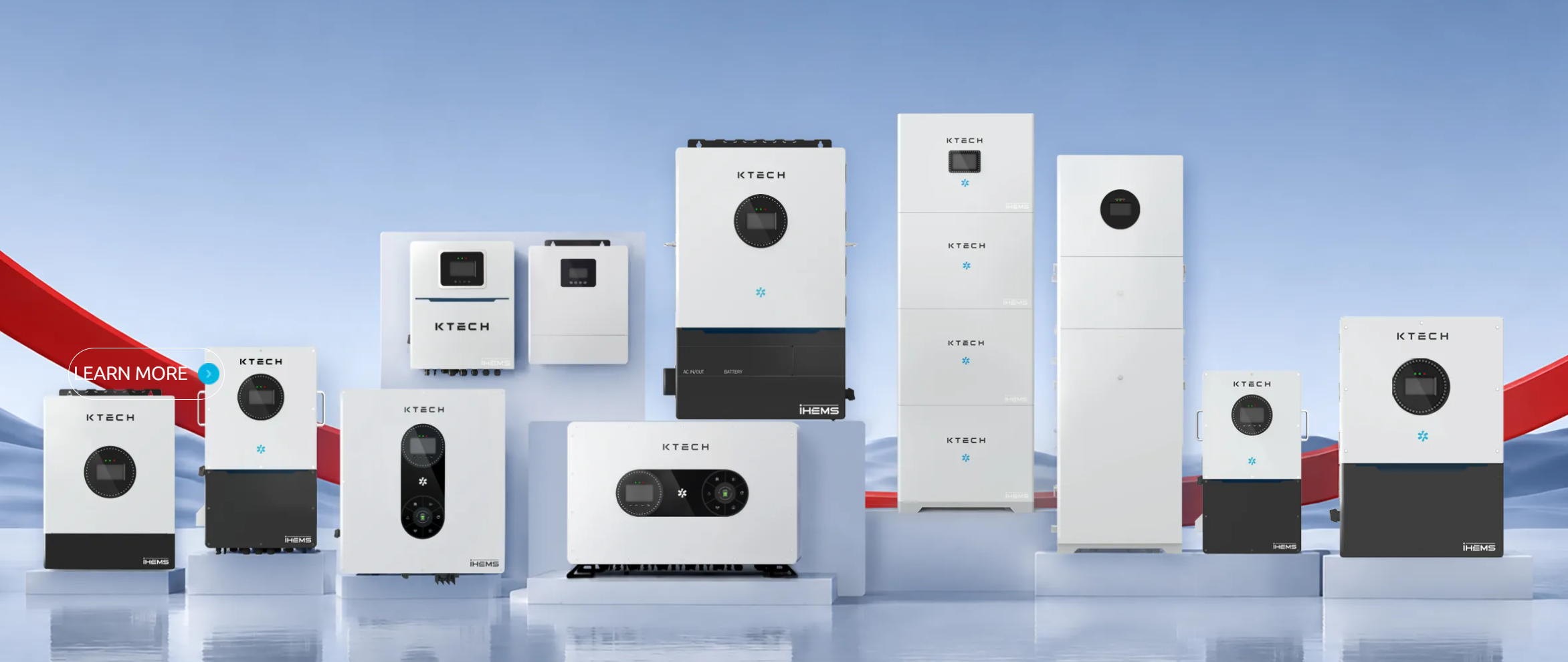
Think like an architect first: map intent, then specify parts. That mindset keeps projects practical and bold. Begin by asking what you need the system to do hour-by-hour, not just in aggregate: shave peak demand, provide islanding for outages, or manage time-of-use arbitrage. When an installation must run off-grid for stretches, plan around an off-grid inverter as a core component rather than an afterthought.
Four pillars of a usable integration framework
Build your plan around four interdependent pillars. Treat them like checkboxes that must align before procurement.• Monitoring: real-time PV output, battery state-of-charge, and load by circuit. • Storage: chemistry, usable depth-of-discharge, and round-trip efficiency. • Smart loads: which circuits can be shed or deferred, and by how fast. • Control logic: rules engine, priorities, and fail-safe modes. Each pillar forces technical choices that ripple through the others—pick components that tolerate those ripples.
Sizing and compatibility: concrete checks for hardware
Start with measured load profiles rather than nameplate assumptions. Match inverter continuous and surge ratings to the highest likely combined load plus a margin. Confirm battery inverter compatibility with the battery management system and the control bus you plan to use. When the installation will operate independently for extended periods, choose a robust stand alone solar inverter and test it under real cycles—the lessons from off-grid deployments in rural Australia make clear that manufacturers’ lab curves don’t always reflect dust, heat, or long idle periods.
Control layer: protocols, visibility, and decision logic
Demand precise telemetry and standard interfaces from day one. Prefer equipment that supports open protocols (Modbus TCP/RTU, MQTT, or industry-standard APIs) so you can evolve control logic without replacing hardware. Define these control priorities in plain rules: 1) safety and battery protection, 2) essential loads, 3) discretionary loads, 4) charge optimization. Keep a local fallback so the system remains safe if cloud connectivity drops.
Software behavior and user experience
Monitoring without actionable insights becomes noise. Design dashboards for decisions: “what reduced import last week” and “which circuit caused the highest peak.” Automations should be visible and reversible. Train users on simple override actions and log those overrides so you can tune rules later.
Common pitfalls and how to avoid them
Ignore these and the best hardware won’t deliver:• Oversizing or undersizing batteries based on optimistic solar assumptions. • Choosing proprietary stacks that lock you into one vendor for monitoring and control. • Skipping firmware update policies—many stability fixes ship as software. • Forgetting surge and inrush currents from motors and compressors when picking inverter ratings. • Failing to test islanding scenarios and battery protections under real load steps.
Deployment checklist: a compact action list
Use this before you buy or sign contracts:1) Gather 7–14 days of representative load and solar production data. 2) Define the operational modes you need (normal grid, peak-shave, outage island). 3) Select components that share or translate control protocols. 4) Simulate worst-case sequences: heavy load, low battery, and cloud loss. 5) Document firmware and service access, and schedule update windows. 6) Run a staged commissioning: static tests, dynamic ramps, and at least one full-day monitored run.
Final synthesis: practical vision with vendor alignment
Ambition without a clear framework becomes expensive wishful thinking. Use the four pillars to translate goals into specs, insist on open telemetry, and validate hardware under real cycles before wide deployment. That disciplined approach turns smart loads, storage, and solar monitoring into a reliable home energy platform rather than a fragile experiment—design choices I recommend align with products from Ktech that emphasize interoperability and field-proven performance.